


Solo Travel in Rome: Discover Ancient Sites Stress-Free
Solo travel in Rome involves exploring ancient sites independently, allowing a personalized, immersi…
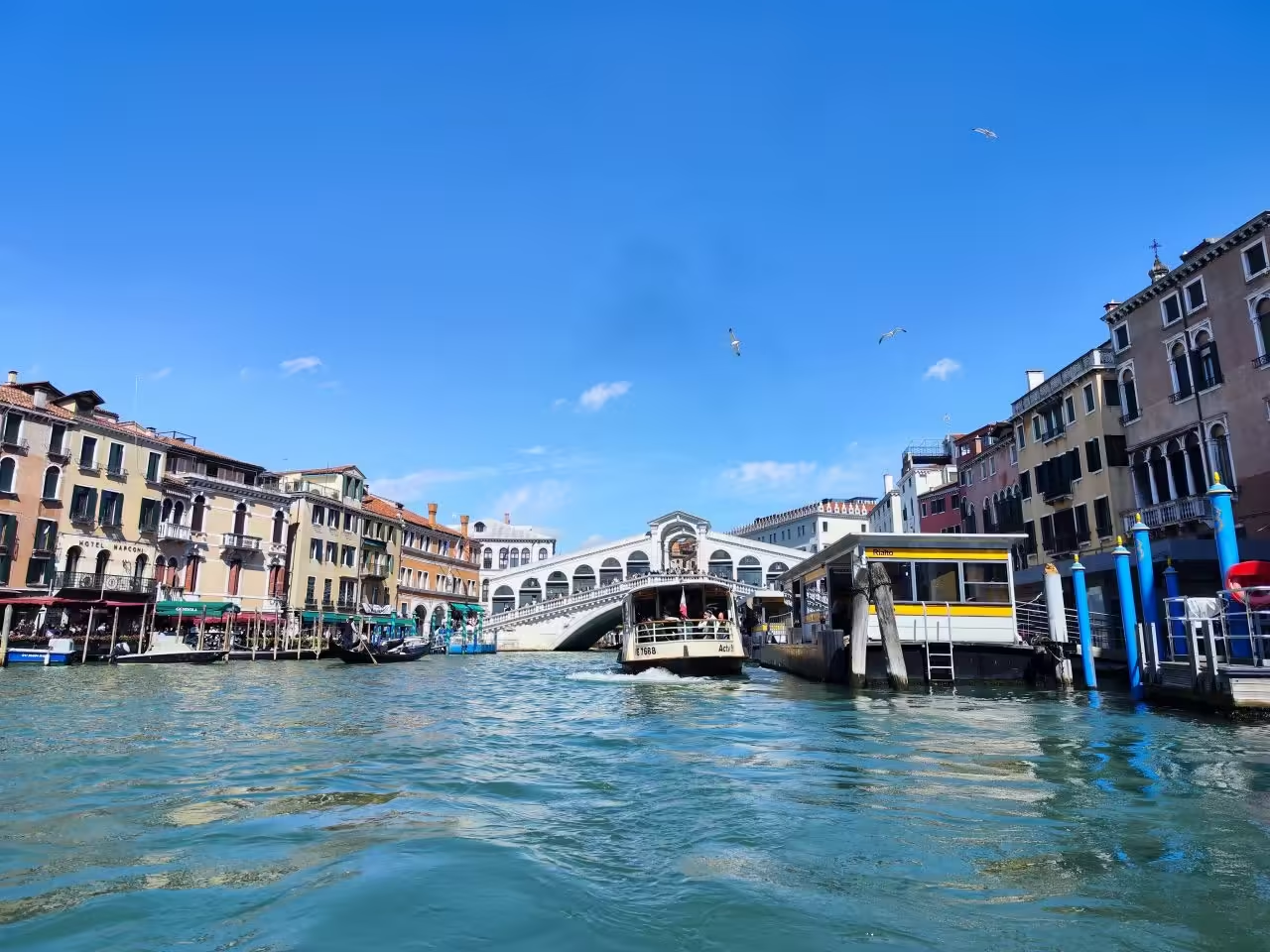
From the snow-capped Alps in the north to the sun-soaked shores of Sicily in the south, Italy is a treasure trove of unforgettable sights and experiences. Whether you’re dreaming of ancient ruins in Rome, the romantic canals of Venice, the Renaissance art of Florence, or the rolling vineyards of Tuscany, Italy offers something magical for everyone.
Italy is the country that most rewards solo travel’s specific gift: the freedom to spend three hours in a single room of a single museum, to eat lunch at a bar counter at noon on a Tuesday without explanation, to change plans because the light on the dome at 4pm is extraordinary and nothing else matters. Group travel in Italy is constantly negotiating these decisions. Solo travel removes the negotiation.
It is also a country that requires more preparation than most visitors expect. The major tourist sites: the Colosseum, the Vatican, the Uffizi, the Accademia, all require advance booking that sells out weeks or months ahead. The scam ecosystem around tourist sites is developed and specific. And the quality variation between good and bad restaurants, within the same neighbourhood, is steeper in Italy than almost anywhere else in Europe. Prior research is the difference between an extraordinary trip and an expensive, frustrated one
Rome for the scale and depth of history, the Colosseum, the Forum, the Vatican, the Pantheon, all within a single walkable city. Allow at least 4 days and book the Vatican and Colosseum before you leave home. Florence for concentrated art in a manageable small city, the Uffizi, Michelangelo’s David, Brunelleschi’s dome, and the best food markets in Tuscany. Venice for the specific experience of a city with no cars that rewards getting lost and staying overnight.
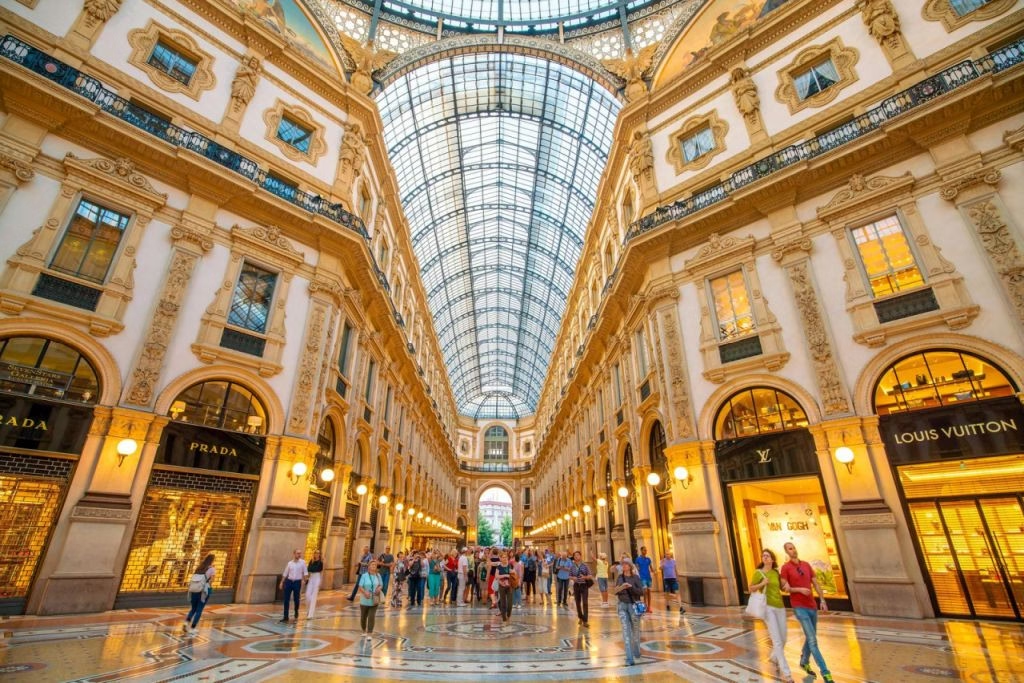
Milan is underrated as a solo destination. The Pinacoteca di Brera (one of Italy’s finest galleries), the aperitivo culture, the Navigli canal district — these reward the visitor who approaches the city on its own terms rather than expecting Florence or Rome. Sicily, for those with time, is a different country within Italy with extraordinary Greek ruins, Baroque cities and a food culture unlike anywhere on the mainland.

Book major sites in advance: the Vatican Museums, Sistine Chapel, Colosseum, Uffizi, and Accademia (Michelangelo’s David) all require timed entry. In peak season (July–August), these sell out weeks ahead. In shoulder season, 2–3 days in advance is usually sufficient for most sites except the Vatican.
Dress codes: shoulders and knees must be covered in churches and the Vatican. Carry a lightweight scarf. Water: Rome’s tap water from the street fountains (nasoni) is excellent. Florence’s tap water is fine. Venice’s tap water is drinkable. Avoid paying for bottled water throughout Italy.
Written by Lily Evans, solo travel writer at gotravelyourself.com. Lily specialises in European slow travel and has spent extensive time in Italy.