
Last Updated on
Lisbon is one of those cities that always seem to be on the edge of discovery. People talk about the pastel buildings, the sound of fado music in narrow streets, and the sweet taste of pastéis de nata. Yet, when you decide to travel solo in Lisbon, you quickly realize there’s much more going on beneath the surface—things nobody tells you until you’re there, walking the steep hills with only your own company.
This guide digs into what solo travelers really experience in Lisbon: the good, the surprising, and the sometimes awkward. You’ll get practical tips, honest insights, and real stories that go far beyond guidebook clichés. If you’re considering a solo adventure to Portugal’s capital, here’s what you need to know to make your journey richer, safer, and more rewarding.
The Real Vibe: How Lisbon Feels For Solo Travelers
Lisbon is often described as friendly and relaxed, but as a solo traveler, the city’s vibe hits differently. The locals, known as Lisboetas, are generally polite, but not overly chatty with strangers. Don’t expect random conversations at every café table. Instead, Lisbon invites you to observe, listen, and blend in.
If you’re used to bustling cities where people approach you for a chat, Lisbon might feel a bit reserved. This isn’t coldness; it’s privacy. People respect space, especially in quieter neighborhoods like Alfama or Graça. But once you make the first move—a smile, a “bom dia”—doors open.
One thing few people mention is how comfortable it is to eat alone here. Many locals grab coffee or lunch solo, so you won’t stand out. Still, some tiny restaurants are family-run and seat few people; during peak hours, you may be asked to share a table or wait outside.
Navigating The City: Getting Around Alone
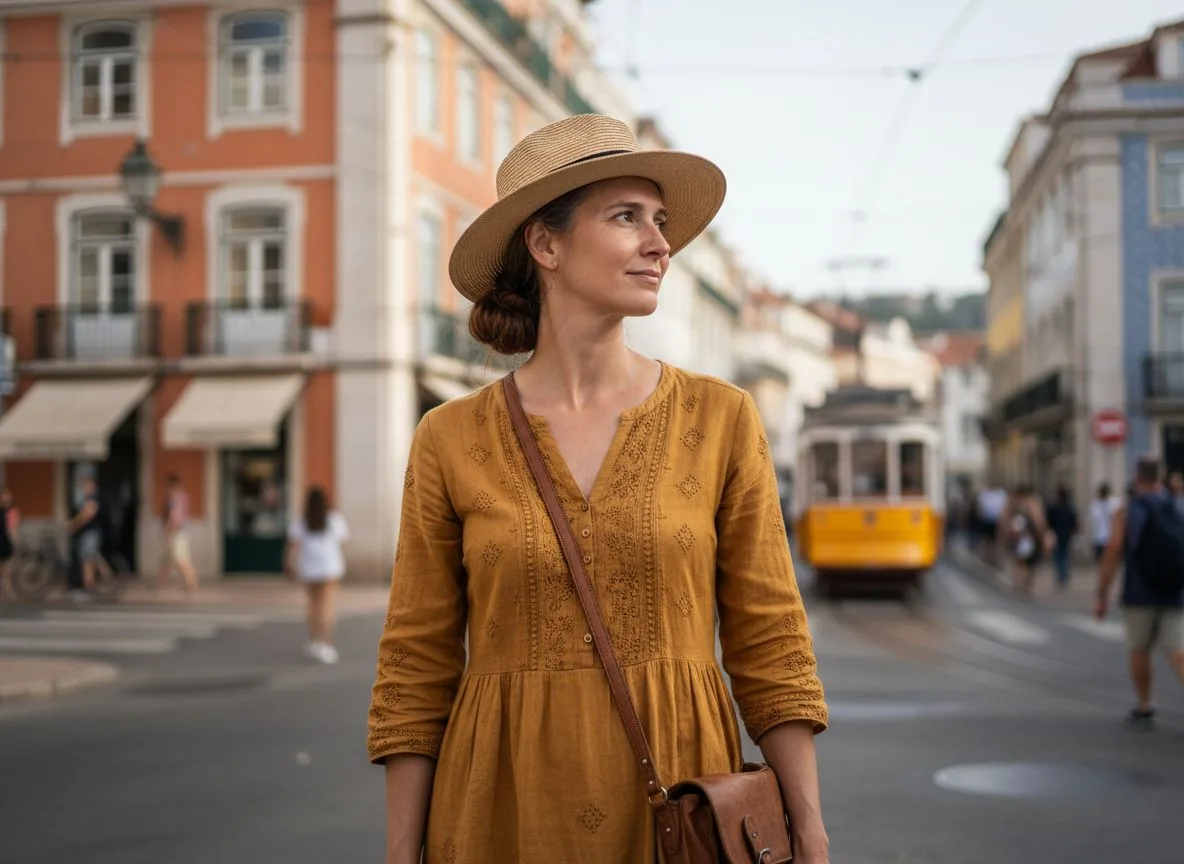
Lisbon’s iconic trams and hills are beautiful, but they can be a shock if you’re not ready. The city is famously hilly—often called the “City of Seven Hills”—and some streets are so steep they’re almost vertical. Public transport is good, but there are quirks.
Public Transport: The Truth
- Trams: The Tram 28 is famous, but always crowded and a magnet for pickpockets. Locals rarely use it except for commuting. As a solo traveler, it’s fun once, but not for daily use.
- Metro: Clean, safe, and fast. Some stations are works of art. But service stops at 1 a.m., so plan late nights carefully.
- Buses and ferries: Reliable but can be confusing for first-timers. Google Maps works well, but sometimes routes change with little warning.
Walking: More Challenging Than Expected
Lisbon’s streets are paved with calçada portuguesa—beautiful, but slippery. Good walking shoes are essential. You’ll quickly realize that what looks like a “short walk” on Google Maps may mean climbing several hundred steps. If you have knee or ankle issues, consider using buses or ride-hailing for steep sections.
Rideshares And Taxis
Uber and Bolt work well. Taxis are honest, but always check they turn on the meter. Unlike some cities, there’s little language barrier with drivers, but have your destination written down.
Data Table: Getting Around In Lisbon
Here’s a quick comparison to help you choose the best mode of transport:
| Mode | Cost (Avg.) | Best For | Downsides |
|---|---|---|---|
| Metro | About €1.90/ride (check the current fare) | Speed, safety | Stops after 1 a.m. |
| Tram | €3/ride | Scenic routes | Crowds, pickpockets |
| Uber/Bolt | €5-10 (avg. trip) | Late nights, door-to-door | Traffic jams |
| Walking | Free | Exploring neighborhoods | Steep hills, slippery stones |
Safety: What Guidebooks Gloss Over
Violent crime in Lisbon is low, but solo travelers, especially women, face unique challenges, and pickpocketing is the main risk. Violent crime is rare, but bag snatching and pickpocketing happen, especially in touristy areas like Baixa and Bairro Alto.
What To Watch Out For
- Pickpockets: Tram 28, metro stations, and crowded elevators (like Santa Justa) are hotspots. Wear your bag in front and avoid backpacks in busy places.
- Street sellers: Some men in tourist zones offer drugs. Decline politely and keep walking; drug possession is decriminalized in Portugal but not legal.
- Nightlife Hazards: Bairro Alto is famous for bars, but the area gets packed at night. Watch your drink and don’t accept drinks from strangers.
- Emergency services respond quickly, but not all operators speak English. Save “112” (emergency number) in your phone.
- Police presence is visible, but plainclothes officers also patrol tourist zones.
Table: Common Solo Traveler Risks In Lisbon
| Risk | Where | How to Avoid |
|---|---|---|
| Pickpocketing | Tram 28, Baixa, metro | Keep bag in front, stay alert |
| Drink spiking | Bars, Bairro Alto | Watch your drink, go with trusted people |
| Scams | Tourist areas | Ignore street sellers |
| Slips/falls | Hilly streets, rainy days | Wear shoes with grip |
Accommodation: Beyond Hostels And Hotels
Lisbon’s accommodation scene is diverse. Hostels here are some of Europe’s best—safe, clean, and social. Yet, many solo travelers find that Airbnb and guesthouses offer a more local experience. Prices are rising fast, especially in central areas. Booking 1–2 months ahead is wise.
Hostels
Many hostels organize nightly dinners or walking tours. They’re great for meeting people, but some cater mainly to party travelers. Look for ones with high ratings for atmosphere, not just price.
Guesthouses And Boutique Hotels
Small, family-run guesthouses (called pensões) are common. Owners are usually helpful, offering tips you won’t find online. If you want quiet, choose outer neighborhoods like Estrela or Campo de Ourique.
- Many buildings lack elevators. If you have heavy luggage, confirm before booking.
- Some older apartments are noisy; street music can last till midnight, especially near nightlife areas.
Eating Solo: From Tascas To Trendy Cafés
Eating out alone in Lisbon is much easier than in some other European cities. It’s normal to see people reading or scrolling their phones while enjoying a meal. Yet, there are a few things nobody tells you.
Tascas: The Local Diner Experience
A tasca is a small, often family-run restaurant serving home-style Portuguese food. The menu is usually short and changes daily. Many tascas have communal tables or tight spaces—don’t be surprised if you share a table with strangers.
Trendy Cafés And Pastelarias
Lisbon’s café culture is booming. You’ll find plenty of spots with free Wi-Fi and good coffee, especially in Chiado or Príncipe Real. Ordering a coffee (“um café”) gets you a strong espresso; specify “meia de leite” for something milkier.
- Bread and olives placed on your table aren’t free. If you eat them, they’re added to your bill. Politely decline if you don’t want them.
- Dinner starts late. Most locals eat after 8 p.m. If you show up at 6, you’ll likely dine with other tourists.
Making Connections: Meeting People In Lisbon
Solo travel can feel lonely, but Lisbon offers ways to connect—if you know where to look.
Hostels And Social Events
Many hostels organize group dinners, fado nights, or even cooking classes. These are perfect for meeting fellow travelers.
Language Exchanges And Meetups
Lisbon has a strong expat and digital nomad community. Weekly language exchanges and meetups (check platforms like Meetup.com) happen all over the city.
Tours And Experiences
Walking tours, food tours, and surf lessons are common. Portuguese guides are passionate and love sharing hidden spots. Small group tours often attract other solo travelers.
- Couchsurfing events are active, even if you’re not staying with a host. Look for open events.
- Many expat events are in English, but joining a Portuguese-language event helps you meet locals, even if your skills are basic.
Getting Off The Beaten Path: More Than Instagram Spots
Lisbon’s main sights—Belém Tower, Jerónimos Monastery, Alfama—are beautiful, but crowded. As a solo traveler, you have the freedom to explore lesser-known areas.
Alcântara And Lx Factory
A former industrial area, LX Factory is now full of art spaces, bookshops, and cool cafés. It’s great for wandering and people-watching. Nearby Alcântara offers riverside walks with fewer crowds.
Mouraria
Known as the birthplace of fado, Mouraria has winding streets, colorful murals, and authentic restaurants. It’s less touristy than Alfama and perfect for solo exploration.
Parque Das Nações
Built for Expo ’98, this modern riverfront area feels like a different city. Safe, quiet, and full of green spaces—ideal for a peaceful walk or to escape the crowds.
- Some museums have free-entry days or discounts; check each website.
- Lisbon’s heritage elevators and funiculars were suspended after the fatal Glória accident in September 2025, so check their current status before planning a route around them.
Solo Day Trips: Easy Escapes From Lisbon
One of Lisbon’s best features is its location. You can reach beaches, palaces, and small towns in less than an hour by train.
Sintra
Famous for fairytale palaces like Pena Palace and Quinta da Regaleira. Trains run every 20–30 minutes from Rossio Station.
Cascais
A seaside town with beaches, a marina, and a relaxed vibe. Perfect for a day of sun and seafood. Reachable by a scenic 40-minute train ride from Cais do Sodré.
Setúbal
Known for fresh seafood and dolphin-watching tours. Less crowded than Cascais, but equally beautiful. Trains leave from Oriente Station.
Table: Popular Day Trips From Lisbon
| Destination | Travel Time | What’s Special | Solo Traveler Friendliness |
|---|---|---|---|
| Sintra | 40 min (train) | Palaces, gardens | Very high |
| Cascais | 40 min (train) | Beaches, seafood | High |
| Setúbal | 50 min (train) | Dolphins, food | Medium |
- Trains accept the reloadable Navegante card; buy and top up at stations. Queues can be long in the morning, so arrive early.
- Sintra gets extremely busy. Visit early or late in the day for fewer crowds.
Costs And Budget Surprises
Lisbon is more affordable than Paris or London, but it’s not as cheap as many travelers expect. Prices have risen fast since 2015, especially in the city center.
Accommodation
- Hostel bed: €20–40/night (summer)
- Budget hotel: €60–100/night
- Private Airbnb: €80–150/night
Eating Out
- Tasca lunch: €8–15 (set menu)
- Mid-range dinner: €18–30
- Pastel de nata: €1–1.50
Attractions
- Most museums: €5–10
- Tram 28: €3 (or included in daily pass)
- Sintra palaces: €10–14 each
- Tap water is safe and free in restaurants, but you must ask for it (“água da torneira”).
- Many attractions only take cash or Portuguese debit cards. Bring a little cash for small purchases.
Language: Getting By In Portuguese
Most young people in Lisbon speak English, but outside tourist zones, older generations may not. Basic Portuguese phrases help, especially in markets and tascas.
Useful phrases:
- “Bom dia” (Good morning)
- “Obrigado/a” (Thank you)
- “Fala inglês?” (Do you speak English?)
Lisboetas appreciate any effort in their language. Even a simple “por favor” (please) earns a smile.
Culture Shocks: Small Things That Surprise
Every city has quirks. Lisbon’s may catch you off guard if you’re used to other European capitals.
- Late nights: Dinner is late, nightlife starts at midnight, but the city is quiet in the mornings.
- Coffee culture: Espresso is the norm; filter coffee is rare.
- Public holidays: Shops and attractions may close suddenly—check ahead if visiting in June (festival season).
Staying Healthy And Fit
Lisbon’s hills give your calves a workout, but there are more ways to stay active.
- Running: The riverside path from Cais do Sodré to Belém is flat and scenic.
- Gyms and yoga studios: Many offer day passes; English is widely spoken.
- Groceries: Supermarkets like Pingo Doce or Continente have fresh produce and ready meals—useful for solo travelers.
- Pharmacies are everywhere, and staff usually speak English. Look for the green cross sign.
- Tap water is safe, but some older pipes give it a slight metallic taste—bottled water is cheap and widely available.
Digital Nomad Life: Wi-fi And Workspaces
Lisbon is a digital nomad hotspot, and solo travelers benefit from the infrastructure.
- Cafés: Free Wi-Fi is common, but not all places like laptops on tables during busy hours.
- Coworking spaces: Dozens of options. Day passes cost €15–€25.
- SIM cards: Vodafone, NOS, and MEO sell tourist SIMs at the airport or shops. Expect €10–15 for 3–5GB of data.
Wi-Fi can be patchy in old buildings, especially in Alfama. Always check before booking accommodation if reliable internet is important.
Festivals And Nightlife: Solo But Not Alone
Lisbon’s festival calendar is lively, especially in summer. The biggest party is Festas de Lisboa in June, when the city explodes with music, sardines, and street dancing. As a solo traveler, it’s easy to join the fun—people welcome everyone to celebrate.
Nightlife centers around Bairro Alto and Cais do Sodré. Bars are small and spill into the streets. Going out alone is normal, but keep your wits about you—late nights can get rowdy.
Fado houses (where traditional music is performed) often require reservations, but solo diners can sometimes get last-minute seats at the bar.
Packing Tips: What You’ll Wish You Brought
- Good walking shoes: Essential for hills and slippery stones.
- Reusable water bottle: Tap water is safe, but refill stations are rare.
- Layered clothing: Lisbon weather changes fast—mornings can be cool, afternoons hot.
- Power adapter: Portugal uses the European plug (type C/F), 230V.
Many bathrooms in older buildings lack soap or hand dryers; a small bottle of sanitizer is handy.
Sustainability And Respectful Travel
Lisbon struggles with overtourism in some areas. As a solo traveler, you have the chance to make a positive impact.
- Stay in locally owned accommodations.
- Eat at tascas and small cafés.
- Avoid noisy parties in residential neighborhoods.
- Use public transport instead of rideshares for short trips.
Frequently Asked Questions
How Safe Is Lisbon For Solo Female Travelers?
Violent crime is low, and pickpocketing is the main risk, so use common sense, avoid empty streets late at night, and keep your bag close in crowds. Most women report feeling comfortable walking alone, even after dark in busy areas.
What’s The Best Neighborhood To Stay In For Solo Travelers?
Baixa is central and walkable, close to attractions and transport. Alfama is charming but hilly. Príncipe Real and Cais do Sodré are lively, with many cafés and bars. For quieter stays, try Estrela or Campo de Ourique. Choose a spot near public transport for easy access.
Is English Widely Spoken In Lisbon?
Yes, especially among young people, service workers, and in tourist zones. In local markets or tascas, basic Portuguese helps, but you’ll rarely be stuck. Download Google Translate for menus and signs.
How Much Should I Budget Per Day As A Solo Traveler In Lisbon?
A reasonable daily budget is €60–€100, covering a hostel bed, meals at tascas, transport, and a small attraction fee. Add more for private rooms, fancy dinners, or shopping. Lisbon is affordable compared to Paris or London, but not as cheap as Eastern Europe.
Are There Any Useful Resources For Solo Travelers In Lisbon?
Absolutely. The official Visit Lisboa website offers maps, event updates, and discounts on attractions. Meetup.com and Couchsurfing are great for finding social events and making friends.
Lisbon rewards those who travel with open eyes and an open heart. As a solo traveler, the city offers freedom, safety, and endless discovery. If you come prepared—and a little curious—you’ll find a version of Lisbon nobody else can show you.
We may earn a commission if you book through the tours widget below. This never changes what we write. See our affiliate disclosure.

Hi, I’m Lily, a solo traveller, slow travel advocate and writer based in Wales. I’ve been exploring Europe independently for 9 years, mostly by train, mostly without a rigid itinerary, and almost always alone.
I’ve taken 55+ solo trips through France, Italy, Spain, Portugal, Germany, the Netherlands, the Balkans, the Baltics and Scandinavia. I speak French and Italian, both learned on the road rather than in a classroom, which means I’m better at ordering wine and arguing with train conductors than I am at formal grammar.
My particular passion is the parts of Europe that don’t make the Instagram highlight reels: the underrated cities, the regional trains that no one takes, the local markets, the restaurants where you’re the only foreigner and the menu isn’t in English. I’ve eaten alone in some of the world’s best restaurants and some of its scruffiest tavernas, and I firmly believe solo dining is one of the great underrated pleasures of travel.
I write practical guides for solo travellers who want to actually experience a place, not just tick it off a list.