
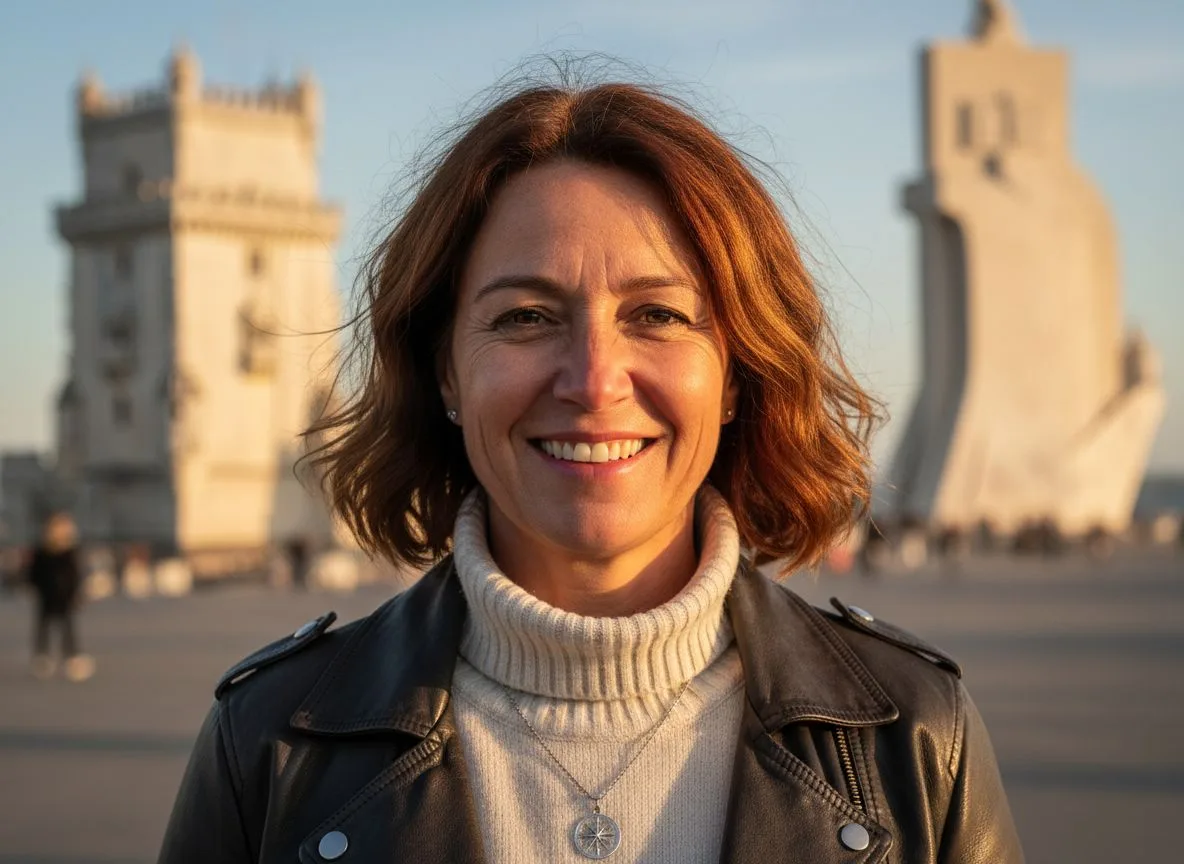
Lisbon is a city that invites curiosity. Its pastel buildings, sweeping viewpoints, and lively neighborhoods make it a favorite for solo travelers. But if you’re a woman planning to visit alone, you might pause and wonder: Is Lisbon really safe for solo female travelers? The answer isn’t just a simple yes or no. Like any city, Lisbon has its strengths and weaknesses. The good news is that most women who visit Lisbon alone find it welcoming, beautiful, and safe—if you follow some common-sense rules.
Let’s take an honest look at what solo women can expect, what risks exist, and how to enjoy Lisbon confidently and smartly. This guide draws on local insights, recent statistics, and real traveler experiences to help you decide if Lisbon is right for you—and how to make the most of your solo adventure.
How Safe Is Lisbon? A Realistic Overview
Lisbon ranks high among Europe’s safest capitals. According to the 2023 Global Peace Index, Portugal holds a spot as the 7th safest country in the world. Violent crime is rare, and visitors often describe locals as friendly and helpful. However, like all cities, Lisbon has its share of petty crime—mainly pickpocketing and scams targeting tourists.
Comparing Lisbon To Other European Cities
To put things in perspective, here’s how Lisbon compares to other popular European cities for solo travel:
| City | Global Peace Index Rank (2023) | Pickpocket Risk (1–10)* | Solo Female Safety Score (1–10)* |
|---|---|---|---|
| Lisbon | 7 | 4 | 8 |
| Barcelona | 31 | 9 | 7 |
| Rome | 32 | 8 | 7 |
| London | 37 | 7 | 7 |
| Amsterdam | 21 | 6 | 8 |
*1 = lowest risk, 10 = highest risk (based on user reports and surveys)
Lisbon’s lower crime rates and peaceful reputation set it apart. Most incidents involve non-violent theft rather than physical danger.
Common Safety Concerns For Solo Female Travelers
Women often worry about:
- Walking alone at night
- Unwanted attention or harassment
- Theft and scams
- Feeling lost in an unfamiliar environment
Lisbon does well in these areas compared to other capitals. But it’s wise to stay informed and know what to expect.
Neighborhood Safety: Where To Stay And Where To Be Careful
Lisbon’s neighborhoods each have their own vibe. Most tourist areas are safe, but picking the right base can make your trip more comfortable.
Safest Neighborhoods For Solo Female Travelers
- Baixa/Chiado: Central, well-lit, and always busy. Great for sightseeing, shopping, and dining. Easy to walk around at night.
- Príncipe Real: Trendy, residential, and popular with locals. Upscale cafés and parks create a relaxed environment.
- Avenida da Liberdade: Lisbon’s “Champs-Élysées.” Wide boulevards, luxury hotels, and fewer crowds make it both elegant and safe.
- Parque das Nações: Modern, quiet, and family-friendly. Lots of open spaces, river views, and newer hotels.
- Alfama: Lisbon’s oldest district, famous for fado music and hilly streets. It’s safe but has many quiet, narrow lanes—use extra caution at night.
Areas To Be Cautious At Night
- Cais do Sodré: Lively nightlife and bars. Safe when busy, but isolated streets can feel uncomfortable alone late at night.
- Martim Moniz: Multi-cultural and energetic during the day, but can feel less safe after dark.
- Intendente: Up-and-coming, but some streets are deserted in the evening.
Generally, avoid poorly-lit alleys and empty squares after midnight, especially if you’re alone.
Real-world Example
A solo traveler, Anna from Germany, shared: “I stayed near Baixa and walked back to my hostel after midnight several times. I felt safe, but I always stuck to main roads and avoided shortcuts.”
Public Transportation And Getting Around Safely
Lisbon’s public transport is efficient and widely used. Buses, trams, and the metro are safe during the day and early evening. However, pickpockets are active, especially on popular tram lines.
Using The Metro And Trams
- Metro: Clean, modern, and patrolled by staff. Busy at rush hour, less crowded late at night.
- Trams: Historic and fun but often crowded. Tram 28 is notorious for pickpocketing.
Tips:
- Keep your bag in front of you.
- Avoid empty carriages late at night.
- Sit near the driver if you feel uneasy.
Taxis And Ride-sharing
- Taxis are reliable and have meters. Always check the meter is running.
- Uber, Bolt, and Free Now are popular and generally safe. Always confirm the car and driver before getting in.
Walking And Late-night Safety
Lisbon is a walkable city. Main streets are usually well-lit and busy until late. Use caution in empty areas and trust your instincts. If you’re out late, consider a taxi or ride-share instead of walking alone.
Data Snapshot: Lisbon Transport Safety
| Transport Type | Daytime Safety | Nighttime Safety | Pickpocket Risk |
|---|---|---|---|
| Metro | High | Moderate | Low–Moderate |
| Tram (e.g., 28) | High | Moderate | High |
| Bus | High | Moderate | Low |
| Taxi/Ride-share | High | High | Low |
Traveling during the day is very safe, but late night brings higher risks. Always pay attention to your surroundings.
Street Smarts: Avoiding Common Risks
Lisbon is not a city where you need to feel on edge. Still, being alert and prepared helps you avoid trouble—especially as a solo woman.
Pickpocketing And Theft
- Most common in crowded spots: Trams, metro stations, tourist sites like Belém, and busy plazas.
- Thieves often work in groups—one distracts, another grabs your bag or wallet.
Tips to avoid theft:
- Use a crossbody bag with zippers.
- Don’t hang bags on chairs or leave phones on tables.
- Carry only what you need—leave extra cash, cards, and passport at your hotel.
Scams To Watch For
Some scams target tourists. The most common are:
- Petition scams: Someone asks you to sign a petition, while an accomplice tries to steal from you.
- Fake charity collectors or street performers who pressure you for donations.
- “Helpful” strangers offering to buy metro tickets for you but overcharging.
Just say “no, thank you” and walk away politely.
Nightlife Safety
Lisbon’s nightlife is lively and social. Bairro Alto and Cais do Sodré have streets full of bars and music. For solo women:
- Stick to well-known venues.
- Watch your drink at all times.
- Don’t accept drinks from strangers.
- Use ride-shares or taxis to get home after midnight.
Avoiding Unwanted Attention
Catcalling and harassment are much less common than in some cities, but they can happen. Most Portuguese men are respectful, especially in public places. If you receive unwanted attention:
- Ignore it, and keep walking.
- Move towards a crowd or into a shop if you feel uncomfortable.
- If you feel threatened, don’t hesitate to call for help or approach police officers, who are generally approachable and speak some English.
Emergency Contacts
- Police, Ambulance, Fire: 112 (European emergency number)
- Tourist Police: Stations in main areas like Baixa and Belém
- Keep your hotel’s address and number with you
Cultural Insights: Understanding Local Attitudes
Lisbon’s culture is warm and open. Women—locals and tourists—walk alone, socialize, and go about their lives without fear. Knowing a bit about local customs can help you blend in and avoid misunderstandings.
Dress Code
Lisbon is relaxed about clothing. You’ll see everything from dresses to jeans and sandals. In churches or older neighborhoods, modest dress is appreciated but not required. At the beach or nightclubs, casual or stylish clothes are the norm.
Language And Communication
English is widely spoken in tourist areas, but learning a few words of Portuguese (“obrigada” for thank you) goes a long way. Locals are generally happy to help, especially if you try to speak their language.
Attitude Toward Solo Women
It’s normal for women to travel, dine, or drink alone in Lisbon. You won’t stand out or attract negative attention for being solo.
Choosing Accommodation: Safety And Comfort
Where you stay plays a big role in how safe you feel. Lisbon offers a wide range of options, from hostels to luxury hotels.
Best Choices For Solo Female Travelers
- Hotels: Opt for reputable international or well-rated local hotels in central areas. Look for 24-hour reception and good guest reviews.
- Hostels: Lisbon’s hostels are famous for their quality and social atmosphere. Many offer female-only dorms and secure lockers.
- Apartments/Airbnb: Great for privacy and independence. Check reviews, location, and building security features.
What To Check Before Booking
- Location: Is it close to main streets, transport, and attractions?
- Security: Does the property have good lighting, secure entrances, and 24/7 staff?
- Reviews: Read comments from other solo female travelers for real experiences.
- Extra Features: Safe deposit boxes, CCTV, and staff assistance can add peace of mind.
Pro tip: Message the property before arrival to ask about late check-in, directions, or area safety.
Not-so-obvious Insight
Don’t always choose the absolute cheapest option. A few extra euros per night can mean a much safer, more central, and more comfortable stay—especially if you’ll be coming back late.
Connecting With Other Travelers
Solo travel doesn’t mean lonely travel. Lisbon has a strong community of locals and visitors, and it’s easy to meet new people if you want to.
Where To Meet Others
- Hostel common areas: Join group dinners, city tours, or bar crawls.
- Walking tours: Free or paid tours are a good way to meet fellow travelers and learn about the city.
- Cooking classes, surf lessons, or fado nights: Fun, safe group activities.
- Digital nomad meetups: Lisbon is a hub for remote workers, with events and co-working spaces.
Social Apps
Many women use apps like Meetup, Couchsurfing, or Bumble BFF to find local events or new friends. Always meet in public places and tell someone your plans.
Local Women’s Groups
Look for Facebook groups like “Lisbon Girls Gone International” for advice, events, and connections.
Health And Wellbeing
Staying healthy is part of feeling safe. Lisbon’s healthcare is good, and the city is used to international visitors.
Hospitals And Clinics
Lisbon has modern hospitals, private clinics, and English-speaking doctors. EU travelers can use their European Health Insurance Card; others should have travel insurance.
Pharmacies
Pharmacies are everywhere and staff usually speak English. For minor issues, you won’t need a prescription for basic medicines.
Water And Food Safety
- Tap water is safe to drink.
- Food hygiene standards are high. Street food and markets are generally clean.
Covid-19 Updates
Portugal’s COVID-19 restrictions have eased, but check current requirements before you travel. Most places no longer require masks, but keep one handy for crowded spaces.
Handling Emergencies
Knowing what to do in case of trouble can bring peace of mind.
If You Lose Your Passport Or Belongings
- Report theft to the police (Polícia de Segurança Pública, PSP).
- Contact your embassy or consulate for a replacement passport.
- Keep a digital copy of important documents in your email or cloud storage.
Medical Emergencies
- Call 112 for urgent help.
- For less severe issues, ask your hotel to recommend a clinic or English-speaking doctor.
Reporting An Incident
Lisbon’s police take tourist safety seriously. Major police stations have English speakers. Don’t hesitate to report theft or harassment.
Real Stories: Solo Female Travelers’ Experiences
Reading statistics is helpful, but personal stories give the real picture.
- Maria, Italy (2023): “I spent a week alone in Lisbon. I walked everywhere, even at night, and never felt unsafe. Locals were kind and helpful, and I made friends in my hostel.”
- Jessica, USA (2022): “I was pickpocketed on Tram 28—my fault for not watching my bag. The police were professional and helped me file a report. The rest of the trip was smooth.”
- Sophie, UK (2023): “Lisbon felt easier and more relaxed than Barcelona or Paris. I loved the women-only walking tours and late-night pastel de nata in Baixa.”
While most women report good experiences, those who had issues often mention theft—not violence.
Packing Tips For Staying Safe
What you bring can make your trip easier and safer.
- Crossbody bag with secure zippers
- Money belt or hidden pouch for cash and cards
- Portable phone charger—don’t get stranded with a dead battery
- Copy of your passport (digital and paper)
- Small flashlight for late-night walks
- Comfortable shoes—Lisbon’s hills and cobblestones can surprise you
- Travel lock for hostel lockers or luggage
- Reusable water bottle (tap water is safe)
Don’t forget adapters for European plugs and a small umbrella for sudden showers.
Navigating Lisbon As A Woman: Day And Night
Lisbon changes throughout the day. Here’s how to adjust your habits.
Daytime
- Busy, friendly, and full of life.
- Explore on foot, join tours, or relax in parks.
- Cafés and attractions are safe and welcoming to solo women.
Evening
- Early evening is lively with families, couples, and groups.
- After 10 pm, bars and clubs get busier. Public transport is still running, but streets get quieter.
- Plan your route home in advance. Avoid shortcuts through empty alleys.
Late Night
- After midnight, stick to main roads or use taxis/ride-shares.
- If you’ve been drinking, ask staff at your bar or hotel to call a taxi.
Local Laws And Customs You Should Know
Lisbon is easygoing, but these tips help avoid misunderstandings.
- Alcohol: Legal drinking age is 18. Drinking in the street is common in Bairro Alto but not everywhere.
- Drugs: Possession of small amounts is decriminalized but not legal. Police can confiscate and fine you.
- Tipping: Not required, but rounding up or leaving small change is appreciated.
- LGBTQ+: Lisbon is open and welcoming. Public displays of affection are accepted in most places.
Insider Tips Most Guides Miss
Here are a few things many first-time visitors don’t realize:
- Lisbon’s hills and cobblestones: Walking can be tough, especially at night or in heels. Wear sturdy shoes.
- Elevators and funiculars: Use them to avoid tiring climbs—especially after dark.
- Street art tours: These are safe, fun, and often led by local women guides.
- Fado bars: Go early to avoid crowds and watch your belongings. Solo diners are common.
- ATMs: Use bank ATMs (not stand-alone ones in tourist areas) to reduce fraud risk.
Hidden wisdom: The best way to avoid trouble is to look confident, walk with purpose, and stay aware—no need to feel paranoid, just present.
Should You Use Travel Insurance?
Absolutely. While Lisbon is safe, travel insurance covers theft, health emergencies, and cancellations. It’s a small price for big peace of mind.
Lisbon’s Police And Support Services
Lisbon’s police are visible in tourist areas and generally helpful. There are tourist police posts in places like Baixa and Belém. Staff often speak English and are used to helping with lost items or reports.
If you feel unsafe, go into a hotel or shop and ask for help.
Final Thoughts: Is Lisbon Safe For Solo Female Travelers?
Lisbon is one of Europe’s best cities for solo women. It combines safety, friendliness, and excitement. Most risks are minor and easy to avoid with basic precautions. While no city is risk-free, Lisbon’s low violent crime rates, open culture, and strong tourist support make it an excellent choice for solo adventures.
If you want a city where you can explore alone, meet new friends, and feel at ease, Lisbon delivers. Trust your instincts, prepare smartly, and you’ll likely join the many women who fall in love with Portugal’s sunny capital.
For more in-depth safety tips and statistics, see the official US Department of State Portugal Travel Advisory.
Frequently Asked Questions
Is It Safe To Walk Alone At Night In Lisbon?
Walking alone in Lisbon is generally safe in central, well-lit areas like Baixa, Chiado, and Avenida da Liberdade. After midnight, streets get quieter—use a taxi or ride-share for extra safety. Avoid empty alleys or poorly-lit neighborhoods late at night.
What Should I Do If I Get Pickpocketed?
Stay calm. Report the theft to the local police (Polícia de Segurança Pública) and your embassy if your passport is missing. Make copies of important documents before your trip. Most banks and embassies are used to helping tourists in these situations.
Are Hostels Safe For Solo Female Travelers In Lisbon?
Yes, Lisbon’s hostels are known for safety and social atmosphere. Choose hostels with high ratings and female-only dorms for added comfort. Lockers are usually provided—bring your own lock. Read recent reviews before booking.
Is Public Transport Safe For Women At Night?
Public transport is safe during the day and early evening. Late at night, trams and metro lines may be less crowded, so stay alert. Sit near other passengers or the driver, and use taxis or ride-shares if you feel uncomfortable.
How Can I Meet Other Solo Travelers In Lisbon?
Join hostel events, walking tours, cooking classes, or use social apps like Meetup and Bumble BFF. Lisbon has a lively community of locals and travelers. Always meet new people in public places and tell someone your plans.
Lisbon is a city where solo female travelers can feel confident and free to explore. With a bit of planning and awareness, you’ll discover why so many women return again and again.

Hi, I’m Jenny, a solo travel writer based in the UK with nearly a decade of independent travel under my belt. I took my first solo trip at 24, a slightly terrifying two weeks in Vietnam, and I’ve been hooked ever since.
Over the past 9 years I’ve completed 60+ solo trips across Europe, Southeast Asia, Central America and Japan, from weekend city breaks in Prague to three-week overland journeys through the Balkans. I speak conversational French and basic Spanish, which has opened more doors (and more dinner tables) than any guidebook ever could.
My writing focuses on the practical stuff solo female travellers actually need: safety, navigation, budget-stretching, and finding genuine connection on the road. I don’t do fluff. If I haven’t personally figured out whether a city is safe to walk home alone at midnight, I won’t pretend I have.
When I’m not writing I’m usually planning the next one, or eating something I can’t pronounce.