
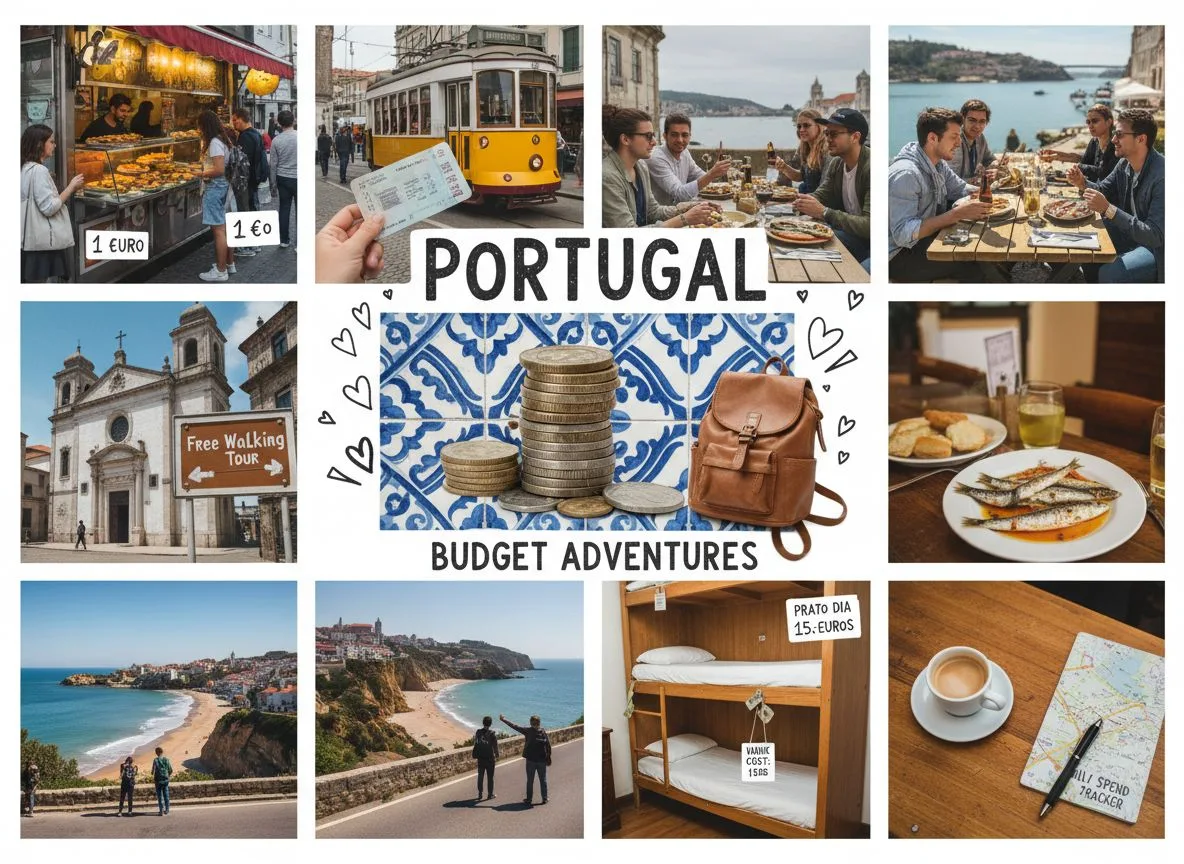
Solo Travel in Porto on €50 a Day: is It Actually Possible?
Porto, Portugal’s second-largest city, is famous for its river views, rich history, and vibrant culture. Many solo travelers dream about exploring Porto’s narrow streets, tasting Port wine, and soaking up the local atmosphere. But can you truly enjoy Porto on a budget of €50 a day? Is it enough for accommodation, food, transport, and sightseeing without missing the best experiences?
This guide will show you how to make the most of €50 daily in Porto, covering 50 practical tips and ideas. Each item is explained in detail, helping you stretch your budget while still enjoying a full solo travel experience. The aim is to help you travel smart, avoid common mistakes, and discover hidden ways to save money. If you want to see if €50 a day is enough for solo travel in Porto, keep reading.
How Far Does €50 Go In Porto?
Before jumping into the 50 items, let’s look at what €50 covers in Porto. Prices in Porto are generally lower than in Western Europe’s bigger cities, but costs can add up. On average:
- Budget hostels: €15–€25/night
- Simple meals (café or takeaway): €5–€10
- Public transport: €1–€2 per ride
- Entry to main sights: €3–€12
If you plan carefully, €50 covers accommodation, two meals, transport, and a few attractions. The challenge is balancing the essentials and extras. If you want to enjoy a coffee or pastry, or visit a special museum, you’ll need to make small trade-offs, like skipping a paid attraction or cooking your own dinner that night.
Here’s a quick comparison table showing how €50 stacks up against other European cities:
| City | Average Daily Budget (€) | Hostel Price (€) | Meal Price (€) | Transport Cost (€) |
|---|---|---|---|---|
| Porto | 50 | 20 | 7 | 2 |
| Barcelona | 70 | 30 | 10 | 3 |
| Paris | 90 | 35 | 12 | 2 |
| Budapest | 55 | 18 | 6 | 1.5 |
You can see Porto is one of the most affordable options for solo travelers in Western Europe. The key is to use your money wisely—spending more where it matters, and cutting back on things that don’t add much value.
50 Ways To Experience Porto On €50 A Day
The following list covers 50 specific actions, choices, and strategies you can use to travel solo in Porto on a tight budget. Each idea is explained so you know exactly what to do, what to avoid, and how to maximize your experience.
1. Choose A Budget Hostel
Look for hostels with dorm beds under €25. Some offer free breakfast, lockers, and social events. Read reviews and compare locations. Hostels near São Bento station or Ribeira are central but often pricier; choose neighborhoods like Cedofeita or Bonfim for better value. Some hostels organize communal dinners for a small fee, which can be a great way to meet people and get a full meal for less than eating out.
2. Book Accommodation Early
Booking ahead can save money. Hostels and guesthouses often give discounts for early reservations, especially outside peak summer months. Use hostel comparison sites and check for non-refundable rates if your plans are fixed. Booking a bed even two to three weeks in advance can mean the difference between €18 and €25 per night.
3. Try Couchsurfing
Couchsurfing connects travelers with locals who offer free places to stay. It’s a great way to meet people and save money, but always read host profiles carefully and plan backup options. Some hosts even offer to show you around the city or invite you to family meals, giving you a richer experience.
4. Consider Airbnb Private Rooms
Airbnb private rooms often cost less than hotels and include access to a kitchen. This lets you cook your own meals and save on food. Check the cancellation policy—flexible bookings can help if your plans change.
5. Stay Outside Tourist Hotspots
Accommodation in Porto’s city center is more expensive. Look for rooms in areas like Campanhã or Paranhos. These neighborhoods are safe and have good metro connections. Staying a short metro ride from the center can save you €5–€10 per night, which adds up on longer stays.
6. Use Hostel Kitchens
Cooking your own breakfast or dinner in a hostel kitchen saves money. Buy groceries at local markets like Mercado do Bolhão. Even making sandwiches or salads for lunch helps stretch your budget.
7. Shop At Supermarkets
Supermarkets like Continente, Pingo Doce, and Lidl have cheap food options. Grab bread, cheese, fruit, and snacks for less than €5. Many also have hot food counters where you can pick up a filling meal for half the price of a sit-down restaurant.
8. Eat At Local Cafés
Cafés offer “prato do dia” (dish of the day) for €5–€7. It’s filling, homemade, and often includes a drink. If you want something sweet after, add a bolo de arroz (rice cake) or pastel for under €1.
9. Try Takeaway Frango Assado
Frango assado (roast chicken) shops sell takeaway meals for €5–€7. Add rice or potatoes for a hearty lunch. Portions are often big enough to share or save half for dinner.
10. Enjoy Pastéis De Nata
These sweet custard tarts cost €1–€2. Find them in bakeries like Manteigaria or Nata Lisboa. For a local touch, sprinkle some cinnamon on top.
11. Drink Tap Water
Tap water in Porto is safe and free. Carry a reusable bottle and fill up at your hostel or cafés. This can easily save you €2–€3 a day compared to buying bottled water, which adds up over a week or longer stay.
12. Avoid Tourist Restaurants
Restaurants in the tourist areas charge more. Walk a few blocks away for better prices and authentic food. Look for simple, family-owned places with Portuguese menus and locals inside.
13. Use Lunch Menus
Many places offer cheaper menus at lunchtime. Typical meals are €6–€8, including soup, main dish, and drink. Lunch is the main meal in Portugal—use this to your advantage and have a lighter dinner.
14. Try The “menu Executivo”
Some restaurants have a menu executivo (business lunch) for €8–€10. It includes starter, main, dessert, and coffee. This is often the best value meal of the day and a good way to try Portuguese food without overspending.
15. Sample Petiscos
Petiscos are Portuguese snacks, similar to tapas. Order 2–3 for under €10 and share with other travelers. Try items like chouriço (sausage), bolinhos de bacalhau (codfish fritters), or azeitonas (olives).
16. Visit Mercado Do Bolhão
This market has local produce, cheeses, and baked goods. It’s a cheap place to get lunch and see authentic Porto life. Some stalls offer small tastings—don’t be shy to sample before you buy.
17. Take Free Walking Tours
Several companies offer free walking tours in English and Spanish. Tours cover old town, history, and hidden spots. Tips are appreciated but not required. These tours often reveal stories and facts you won’t find in guidebooks.
18. Walk Along The Ribeira
Strolling by the Ribeira riverfront is free and beautiful. Enjoy the view of the Dom Luís I Bridge and colorful houses. Early morning or sunset are the best times for photos and a peaceful atmosphere.
19. Cross The Dom Luís I Bridge
Walking across this iconic bridge costs nothing and gives great views of the city and river. The upper deck is for pedestrians and trams only, making it safe and scenic.
20. Explore Jardins Do Palácio De Cristal
The Crystal Palace Gardens are free to enter. Relax, read, or enjoy the city panorama. On sunny weekends, you may find local events or musicians playing for free.
21. Visit Igreja De São Francisco
This church charges €8 for entry, but the gothic interior and gold-leaf decoration are worth it. Plan for one paid attraction each day. If you enjoy art and history, this is a memorable stop.
22. Discover Livraria Lello
The Lello Bookstore entry is €5. It’s famous for its beautiful staircase and connection to Harry Potter. Buy your ticket online to avoid queues. If you buy a book, the entry fee is discounted from your purchase.
23. See Igreja Do Carmo
The Carmo Church is free to enter and has a unique blue-tiled exterior. It’s a quick stop near downtown. Take a few minutes to admire the tiles and snap photos.
24. Admire São Bento Station
The São Bento train station is famous for its azulejos (blue tiles). Entry is free; spend time admiring the artwork. If you visit early in the morning, it’s less crowded.
25. Wander Rua Santa Catarina
This shopping street is lively, with street performers and local shops. It’s free unless you decide to buy. Pop into Café Majestic for a look, but be aware drinks are pricey here.
26. Visit Capela Das Almas
This small chapel has stunning blue tile art on the outside. Entry is free. The tiles tell religious stories and are a great example of Porto’s art heritage.
27. Browse Galerias De Paris
This area has quirky bars and shops. Walking and window shopping is free, and you can find affordable snacks. In the evening, the street comes alive with music and people.
28. Enjoy Foz Do Douro
Take a tram or bus to Foz, where the river meets the Atlantic. Walk along the promenade for free. The sea air and views are refreshing, especially on a sunny day.
29. Use Porto Metro
The metro is reliable and cheap. Buy a Andante card for €1 and load single rides (€1.20–€1.60). It’s cheaper than taxis. The metro also takes you directly from the airport to the city center for a low price.
30. Get A 24-hour Transport Pass
For €7, the Andante Tour card gives unlimited metro, bus, and train rides for 24 hours. Plan to use this on days with lots of travel. If you want to visit distant sights, this pass is great value.
31. Ride Local Buses
Porto’s buses cover the city well. Single rides cost €1. 20–€2. Use Google Maps for routes. Some buses run late, making them useful for returning from night events.
32. Try The Historic Tram
The old tram line 1 goes from Ribeira to Foz. Tickets are €3–€4. It’s a scenic ride and cheaper than tourist tours. Go early to avoid crowds and get a window seat.
33. Rent A Bike
Bike rentals start at €10/day. Cycle along the river or in parks. Porto is hilly, so plan your route. The ride from Ribeira to Foz is mostly flat and very enjoyable.
34. Walk Everywhere
Porto is compact. Walking saves money and lets you discover hidden corners. Wear comfortable shoes—streets are steep and cobbled. If you get tired, hop on a bus or metro for a short ride.
35. Avoid Taxis And Ubers
Taxis and ride apps are expensive compared to public transport. Use buses, metro, or walk. Even late at night, Porto’s main areas are well-lit and safe for walking.
36. Use Free Wi-fi
Most hostels, cafés, and libraries offer free Wi-Fi. Avoid buying SIM cards unless you need constant connection. Some parks and public squares also have city-provided Wi-Fi.
37. Visit Free Museums
On Sundays, several museums offer free entry. Examples include Museu Nacional Soares dos Reis and Museu Romântico. Arrive early, as free entry days can be busy.
38. Attend Free Events
Check local listings for free concerts, art shows, and festivals. The Porto City Hall website posts event calendars. Summer is full of open-air music and film events.
39. Take Part In Hostel Social Nights
Hostels often have free movie nights, pub crawls, or cooking classes. It’s a great way to meet fellow travelers. These activities help solo travelers feel connected and make friends quickly.
40. Watch Sunset At Miradouro Da Vitória
This viewpoint is free and has beautiful sunset views over the city and river. Bring a snack and enjoy the changing colors as the sun goes down.
41. Visit Casa Da Música Exterior
The Casa da Música is Porto’s main concert hall. You can admire the architecture for free and sometimes attend free foyer concerts. Check their website for events during your stay.
42. Explore Porto Cathedral
Entry to the Sé do Porto is €3. The cathedral is historic and offers great city views. The cloisters and terrace are especially impressive.
43. See The Art At Fundação De Serralves
This modern art museum charges €12, but its park and gardens are free on certain days. Check the website for free entry dates. Even if you skip the museum, the surrounding area is lovely for a walk.
44. Enjoy Street Art
Porto has lively street art scenes. Walk around Rua Miguel Bombarda for murals and installations. Bring your camera—there’s always something new to see.
45. Visit Parque Da Cidade
Porto’s largest park is free. Picnic, walk, or just relax in the green space. If you visit on a Sunday, you’ll see families and joggers enjoying the outdoors.
46. Attend Free Language Exchanges
Several bars and cafés host language exchange nights. Improve your Portuguese and meet locals for free. Look for posters or ask at your hostel for recommendations.
47. Try Free Tastings
Some markets and shops offer free tastings of cheese, Port wine, or sausage. Ask politely and enjoy small samples. This is a good way to try local products before deciding to buy.
48. Avoid Souvenir Shops
Souvenir shops are expensive and often sell imported goods. Find local crafts at markets or skip souvenirs to save money. If you want a keepsake, buy something useful like a local soap or small food item.
49. Buy A Travel Sim Only If Needed
If you need data, buy a prepaid SIM for €10–€15. Otherwise, rely on free Wi-Fi. Many travelers get by without a SIM, using offline maps and hostel internet.
50. Budget Daily And Track Expenses
Use a notebook or phone app to track spending. Divide €50 into categories: accommodation, food, transport, and extras. Checking your spending each evening helps avoid surprises and keeps you in control.
Here’s a sample daily budget breakdown for a solo traveler in Porto:
| Category | Typical Daily Spend (€) |
|---|---|
| Accommodation | 20 |
| Food | 15 |
| Transport | 5 |
| Sightseeing/Activities | 7 |
| Miscellaneous | 3 |
If you manage to spend less in one category, you can treat yourself in another—maybe a pastry, an extra museum, or a small bottle of Port to bring home.
Smart Strategies For Solo Travel In Porto
Traveling solo in Porto is rewarding, but planning is key. Here are two insights many beginners miss:
- Mix paid and free attractions: Don’t spend all your money on entry fees. Choose one paid attraction per day and fill the rest with free experiences. Free walking tours, gardens, and street art can be just as memorable as museums.
- Engage with locals: Join free walking tours, language exchanges, or hostel social nights. Locals often share tips about free or cheap things to do. For example, some will point you to their favorite bakery or tell you when local festivals happen.
Another point: Porto’s hills can be tough for walking. Plan your route to avoid unnecessary climbs and use public transport when needed. Use Google Maps to check the elevation before setting out.
A final tip: Many of Porto’s best moments are unplanned. Leave a little extra time in your day for wandering, sitting by the river, or chatting with someone new. These small experiences often become your favorite travel memories.
Common Mistakes To Avoid
Travelers sometimes overspend or miss key opportunities. Watch out for these mistakes:
- Booking last-minute accommodation in the city center.
- Eating at touristy restaurants by the river.
- Using taxis or ride apps for short distances.
- Paying for expensive guided tours when free tours are available.
- Not tracking daily expenses.
Another common mistake is not learning a few basic Portuguese words. Even a simple “obrigado” (thank you) goes a long way and can lead to friendlier service or local advice.
By avoiding these errors, you can keep your budget under control and enjoy a richer experience.
Is €50 A Day Realistic?
With careful planning, €50 a day is enough for basic accommodation, food, transport, and a mix of attractions. You’ll need to:
- Choose hostels or budget rooms
- Cook some meals and eat local dishes
- Use public transport and walk
- Prioritize free and low-cost sights
If you want luxury hotels, gourmet restaurants, or guided tours every day, €50 won’t be enough. For solo travelers who love exploring and meeting people, Porto is one of Europe’s best value cities.
You may not be able to splurge every day, but you won’t feel deprived. Porto’s warmth, history, and scenery are accessible to everyone, no matter your budget.
Frequently Asked Questions
Is €50 A Day Enough For Solo Travel In Porto?
Yes, if you plan carefully and choose budget accommodation, local food, and free attractions. Most solo travelers can cover essentials and enjoy the city on €50 per day.
What Is The Cheapest Way To Get Around Porto?
The metro and buses are the cheapest options. Buy an Andante card or a 24-hour pass for unlimited rides. Walking is also easy and free. If you arrive by plane, the metro from the airport to the city center is the best value.
Are There Free Things To Do In Porto?
Many top sights are free, like the São Bento station, Crystal Palace Gardens, Ribeira riverfront, and street art areas. Free walking tours and hostel events are also popular. Look for free museum entry on Sundays and local festivals, especially in summer.
How Can I Save Money On Food?
Shop at supermarkets, use hostel kitchens, and try prato do dia at cafés. Avoid tourist restaurants and buy snacks at local markets. If you want to try Port wine, look for small tastings rather than full tours.
Is Porto Safe For Solo Travelers?
Porto is generally safe. Use common sense, avoid deserted areas at night, and keep valuables secure. Locals are friendly and helpful. The city center is busy and well-lit after dark, but always be aware of your surroundings.
Porto offers the chance to explore beautiful streets, taste local cuisine, and meet people from all over the world—even on a tight budget. By following these 50 tips and strategies, solo travelers can make the most of their trip, discover hidden gems, and stay comfortably within €50 a day. For more data on budget travel in Portugal, visit WikiTravel. Porto welcomes solo travelers with open arms, and your adventure can be both affordable and unforgettable.

Hi, I’m Jenny, a solo travel writer based in the UK with nearly a decade of independent travel under my belt. I took my first solo trip at 24, a slightly terrifying two weeks in Vietnam, and I’ve been hooked ever since.
Over the past 9 years I’ve completed 60+ solo trips across Europe, Southeast Asia, Central America and Japan, from weekend city breaks in Prague to three-week overland journeys through the Balkans. I speak conversational French and basic Spanish, which has opened more doors (and more dinner tables) than any guidebook ever could.
My writing focuses on the practical stuff solo female travellers actually need: safety, navigation, budget-stretching, and finding genuine connection on the road. I don’t do fluff. If I haven’t personally figured out whether a city is safe to walk home alone at midnight, I won’t pretend I have.
When I’m not writing I’m usually planning the next one, or eating something I can’t pronounce.