
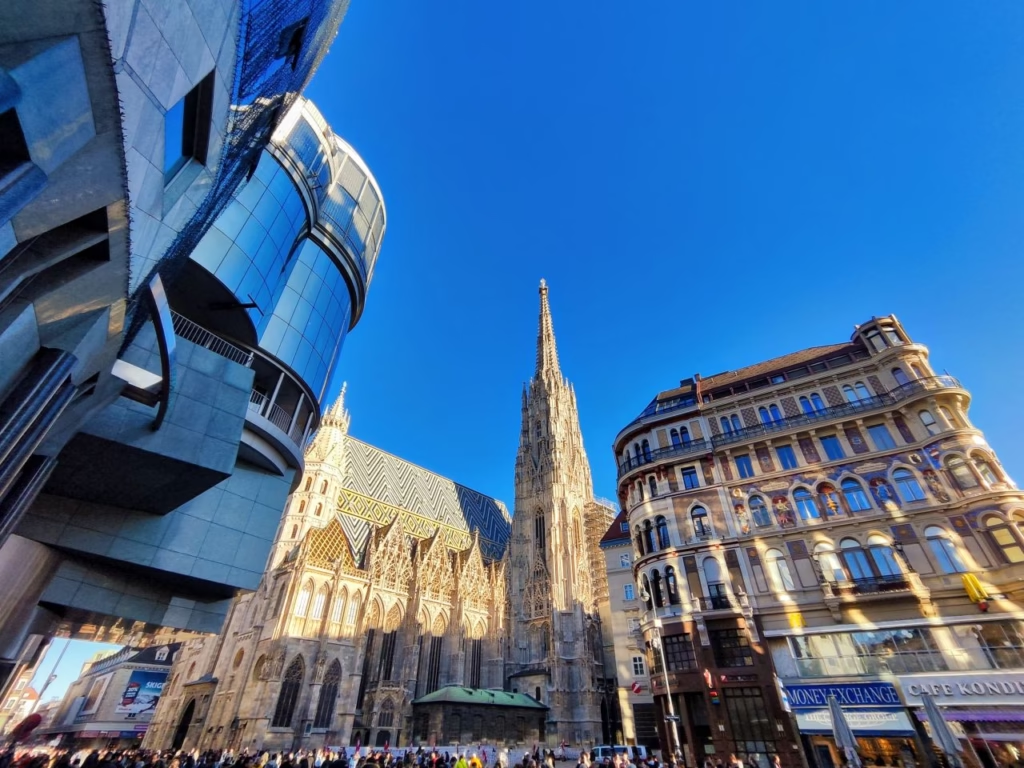


Top Tips for Your Layover in Vienna – Make the Most of It
Planning a layover in Vienna? Discover 6 tips to explore historic sites, enjoy coffee, and experienc…

Nestled in the heart of Europe, Austria is a country of breathtaking landscapes, rich cultural heritage, and timeless elegance. Known for its majestic Alps, historic cities, and unparalleled contributions to music and the arts, Austria offers a perfect blend of natural beauty and cultural sophistication.
Austria is the country I know most deeply in this network, I split my time between Vienna and Croatia, and Austria’s particular quality of life, its coffee house culture, its combination of imperial grandeur and genuine livability, has shaped how I think about what makes a place worth spending extended time in. For solo travellers, Austria offers what the best destinations always offer: a culture that rewards time and attention with something inaccessible to the visitor in a hurry.
Vienna is covered in depth in its own city guide. But Austria is considerably more than Vienna, and the combination of the capital with one or two regional destinations makes for one of the most rounded solo travel itineraries in Central Europe.
Salzburg, two and a half hours west of Vienna by train, is often dismissed as a Sound of Music tourism destination. This is unfair. The old city is genuinely beautiful, a UNESCO World Heritage site built against the Festungsberg, with the Hohensalzburg fortress above and the Salzach River below. The Mozart birthplace and the Mirabell Palace gardens are real rather than manufactured attractions. In July and August, the Salzburg Festival is one of the finest classical music events in the world, though accommodation prices reflect this.
Innsbruck is the Alpine city, the Alps are literally at the end of the street, visible from the old town, accessible by cable car in 20 minutes from the centre. Graz, in Styria, is the most underrated Austrian city: a university town with a relaxed character, excellent food (Styria is Austria’s wine and pumpkin seed oil region), and a contemporary art scene centred on the Kunsthaus (the ‘Friendly Alien’ building).

Austria’s ÖBB rail network is excellent. Vienna to Salzburg: 2h30 (Railjet, book in advance). Vienna to Graz: 2h35. Vienna to Innsbruck: 4h. The OBB Österreich-Card (Austrian rail pass) is good value for multi-city trips. Buses supplement the train network for smaller towns and valley villages.
German is the language of Austria, spoken with a distinct accent from Swiss or German German. Austrians appreciate the effort with language — even a Guten Morgen and Danke registers warmly. English is reliably spoken in Vienna and in tourist contexts throughout the country.
Written by Andrea Novak, travel writer based between Vienna and Croatia. Andrea covers Austria and the Balkans for gotravelyourself.com and allaboutvienna.com.