
Last Updated on
Why Eastern Europe Is Tourism’s Best-Kept Secret
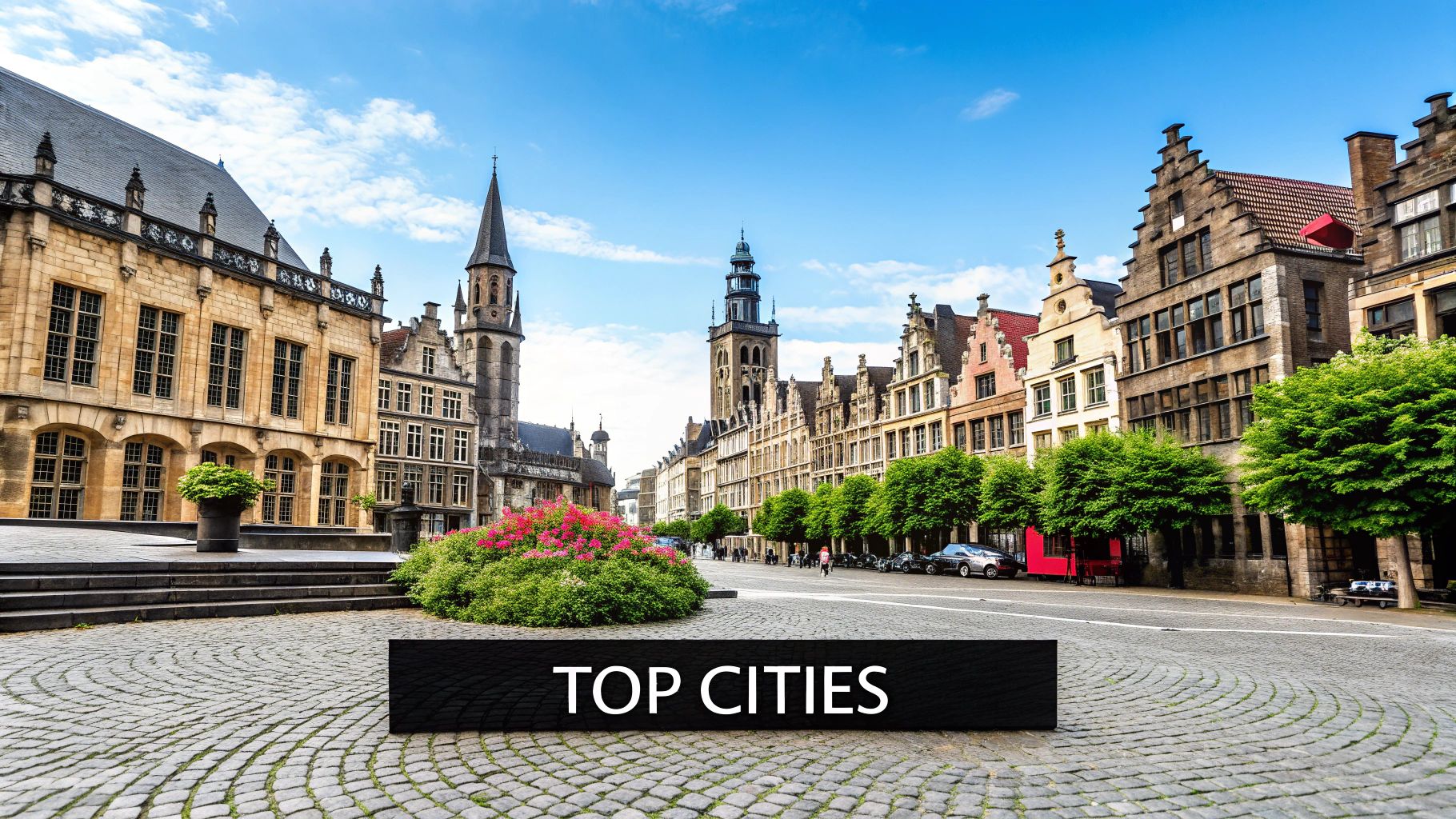
Eastern Europe presents a captivating mix of vibrant history, diverse cultures, and breathtaking scenery. It’s a welcome change from the often-crowded, pricey tourist spots in Western Europe. Imagine strolling down charming cobblestone streets, exploring ancient castles, and experiencing the lively atmosphere of local markets, all without the overwhelming throngs of tourists. Plus, the lower cost of traveling in Eastern Europe often allows for extended trips and more immersive experiences. For those mindful of packing light, check out these helpful tips: 5 Less Common Essentials Every Traveler Needs. This allows you to focus on the experience, not the logistics.
Unveiling the Undiscovered
One of Eastern Europe’s greatest draws is its authenticity. Many countries in the region have carefully preserved their traditions and cultural heritage. This provides a unique window into a world less impacted by mass tourism. From distinctive culinary adventures to traditional folk music and dance, the region is rich with opportunities for cultural immersion. For instance, exploring local markets and sampling regional delicacies offers a genuine taste of local life. This emphasis on authentic experiences leads to a more meaningful and memorable trip.
The Rise of Eastern European Tourism
Eastern Europe has experienced a significant surge in tourism in recent years. In 2023, the region welcomed 70.54 million international travelers. This number is expected to return to pre-pandemic levels by 2024. The projected growth rate for international arrivals is an impressive over 13% annually from 2023 to 2028, outpacing many other destinations worldwide. Several factors contribute to this growth, including the region’s diverse landscapes, rich history, and cultural attractions. Sites like the Wieliczka Salt Mine in Poland exemplify the region’s allure. To learn more about the tourism boom in Eastern Europe, take a look at these statistics: Find more detailed statistics here. This increasing popularity solidifies Eastern Europe’s position as a premier travel destination.
Affordable Adventures
Another compelling reason to visit Eastern Europe is its affordability. Accommodation, dining, and transportation are generally much less expensive than in Western Europe. This allows travelers to stretch their budgets and experience more without overspending. This doesn’t equate to sacrificing quality, however. Many Eastern European cities offer excellent accommodations, restaurants, and cultural attractions at a fraction of the price found in Western Europe. The combination of value and quality makes Eastern Europe a perfect choice for budget-minded travelers.
Beyond the Tourist Trail
Finally, Eastern Europe offers the thrill of exploring destinations off the beaten path. From quaint medieval villages to stunning natural wonders, countless hidden gems await discovery. This sense of adventure and exploration is often lacking in more popular tourist destinations. Venturing into less-traveled areas offers unique opportunities to interact with locals and experience the genuine heart of Eastern European culture. These interactions create a deeper appreciation for the region and its people, forging lasting memories.
Beyond Bucket Lists: Eastern Europe’s Transformative Destinations
Forget the usual European tour packages. This section explores destinations that truly reshape your understanding of culture and history. Through local perspectives and captivating stories, discover why Krakow’s Jewish Quarter offers a deeper emotional connection than crowded capitals, and how Romania’s Transylvania provides cultural richness far beyond Dracula stereotypes. We’ll guide you through must-see landmarks and hidden local gems, revealing the cities undergoing creative renaissances, where to find untouched natural beauty without the Western European crowds, and how smaller cities like Lviv, Kotor, and Brasov offer authentic experiences. Each recommendation comes with strategic timing tips to enhance your travel eastern europe experience.
Unveiling Hidden Gems
Many travelers focus on major capitals when planning a trip to Eastern Europe. However, some of the most rewarding experiences are often found in smaller, less-traveled cities. For example, Lviv, Ukraine, is a city steeped in history and filled with architectural wonders. Its charming cafes and cobblestone streets offer a unique glimpse into a rich cultural tapestry.
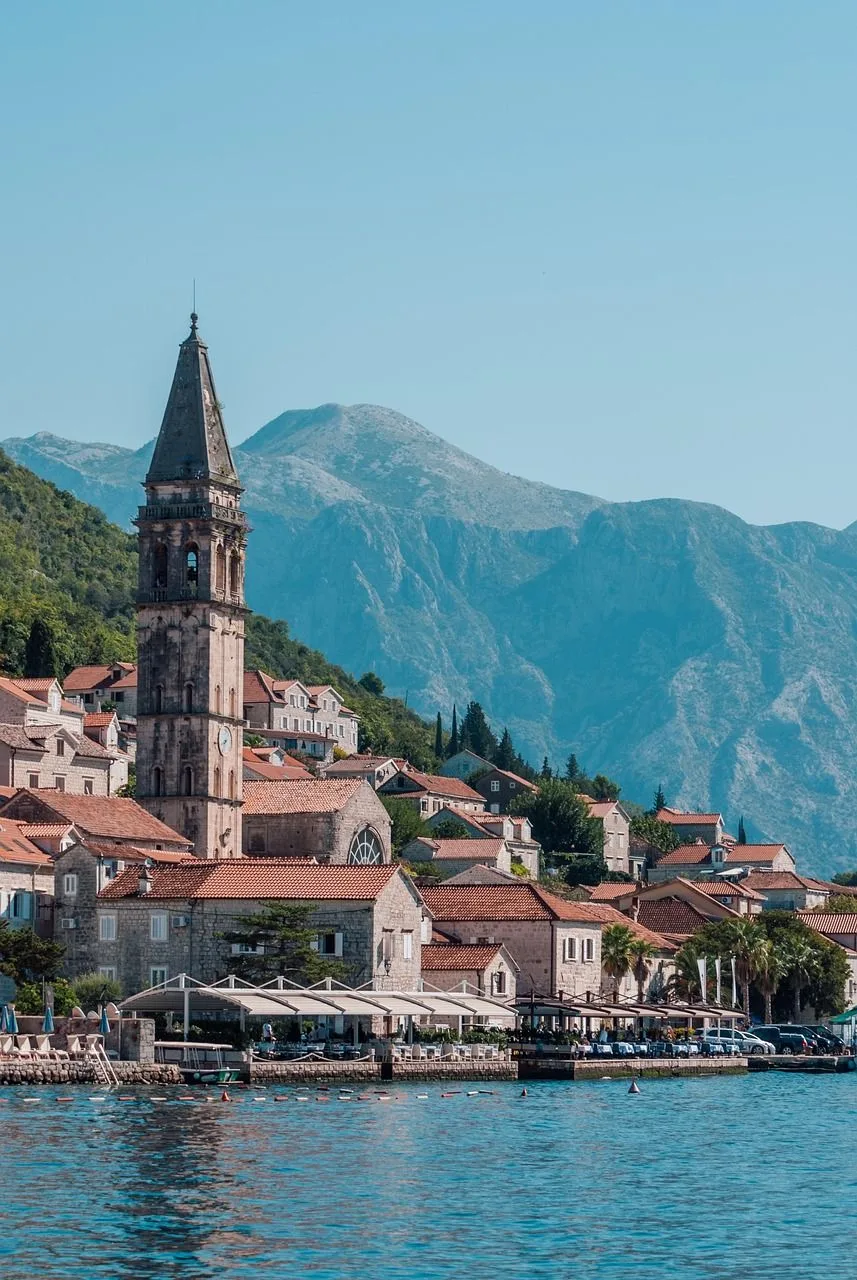
Kotor, Montenegro, a UNESCO World Heritage site, boasts stunning fjord-like scenery and a fortified old town. This picturesque destination whispers tales of centuries past. Finally, Brasov, Romania, nestled in the heart of Transylvania, offers a captivating blend of medieval architecture and breathtaking mountain landscapes. These smaller cities provide a more intimate and authentic experience, allowing deeper connections with local culture.
Balancing Budget and Experience
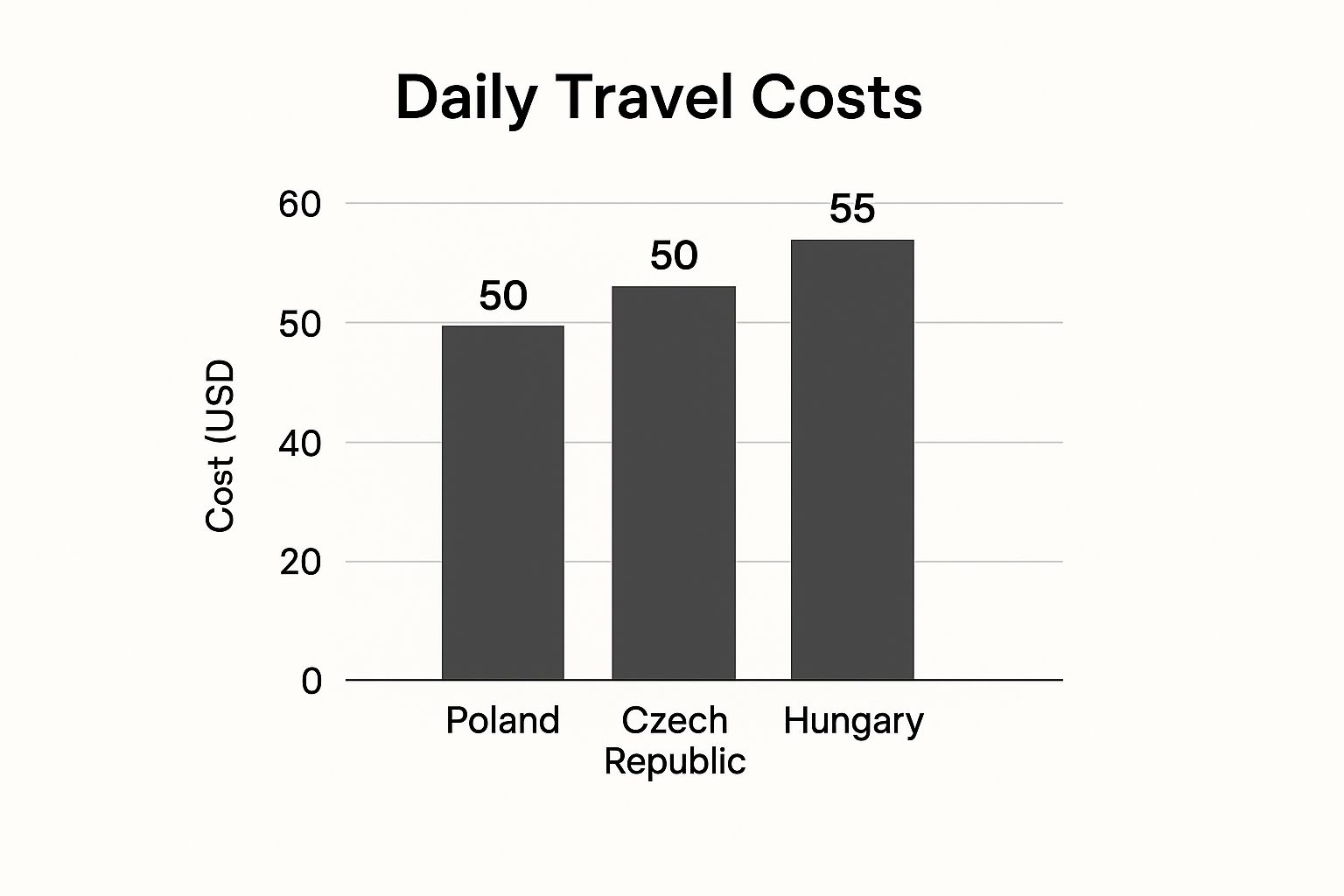
The infographic above visualizes average daily travel costs in Poland, the Czech Republic, and Hungary. It offers valuable insights for budget-conscious travelers. As shown, all three countries offer relatively affordable travel options compared to Western Europe. Hungary presents the most budget-friendly choice, followed by Poland, and then the Czech Republic.
This allows travelers to tailor their itinerary and budget accordingly, choosing destinations that align with their financial goals. To help you choose the best destination for your needs, take a look at the comparison table below:
Top Eastern European Destinations Comparison: A comparison of popular Eastern European destinations highlighting their unique features, best visiting seasons, budget considerations, and main attractions
| Destination | Country | Best Time to Visit | Budget Level | Must-See Attractions | Unique Appeal |
|---|---|---|---|---|---|
| Lviv | Ukraine | Spring/Autumn | Mid-Range | Lviv Old Town, High Castle Park | Rich history, charming cafes |
| Kotor | Montenegro | Spring/Autumn | Mid-Range | Kotor Old Town, Bay of Kotor | Stunning scenery, UNESCO site |
| Brasov | Romania | Spring/Autumn | Budget-Friendly | Black Church, Bran Castle, Tampa Mountain | Medieval charm, mountain views |
| Krakow | Poland | Spring/Autumn/Winter | Mid-Range | Wawel Castle, Main Market Square, Jewish Quarter | Historical significance, vibrant culture |
| Prague | Czech Republic | Spring/Autumn/Winter | Mid-Range | Charles Bridge, Prague Castle, Old Town Square | Fairytale charm, rich architecture |
| Budapest | Hungary | Spring/Autumn | Budget-Friendly | Hungarian Parliament Building, Buda Castle, Fisherman’s Bastion | Thermal baths, vibrant nightlife |
As you can see, each destination offers its own unique blend of attractions, budget levels, and ideal visiting times. Consider these factors when planning your Eastern European adventure.
Timing Your Eastern European Adventure
When planning your travel eastern Europe trip, timing is crucial. Each season offers unique experiences. The best time to visit often depends on your priorities. Spring and fall bring pleasant weather and fewer crowds, ideal for exploring cities and enjoying the outdoors. Summer, the busiest season, provides long daylight hours and warm temperatures. This makes it perfect for enjoying outdoor festivals and activities. Winter, with its snow-covered landscapes and festive markets, offers a magical experience, especially in cities like Prague and Krakow. Consider your preferences and research specific events that may coincide with your trip.
Embracing the Unexpected
One of the most rewarding aspects of traveling in Eastern Europe is embracing the unexpected. While careful planning is essential, be open to spontaneous adventures. This could involve conversations with locals, trying new foods, or venturing off the beaten path. Perhaps you’ll discover a local music festival, a traditional cooking class, or a picturesque village not in your guidebook. These unplanned moments often create lasting travel memories.
Maximizing Your Cultural Immersion
To truly immerse yourself in Eastern European culture, venture beyond typical tourist activities. Look for opportunities to engage with locals. Take a local bus instead of a taxi, shop at local markets, or attend a community event. Learning basic phrases in the local language can enhance your interactions. Consider staying in locally owned guesthouses for true Eastern European hospitality. These experiences offer a deeper understanding of the local culture and create more meaningful connections.
The Art of Budget Travel in Eastern Europe
Western Europe’s allure often comes with a hefty price tag. However, Eastern Europe offers a treasure trove of experiences at a significantly lower cost. This makes it a perfect destination for travelers seeking adventure and cultural immersion without emptying their wallets. This section explores how to stretch your travel budget in Eastern Europe while enjoying a fulfilling trip. We’ll discover how mindful spending can open doors to authentic encounters and unforgettable moments.
Understanding Pricing Structures
Eastern Europe presents a diverse range of economies and pricing. This means your money will go further in some countries than others. For instance, Bulgaria and Romania typically offer lower costs for accommodation, food, and transport compared to Czech Republic or Poland.
Understanding these price differences allows for strategic itinerary planning. You can choose to spend more time in budget-friendly destinations, maximizing your experience within your financial constraints. This allows you to see more of the region without exceeding your budget limits. Read also: How to master your travel planning.
Seasonal Savings and Smart Travel
Smart travelers can leverage seasonal price fluctuations to their advantage. Traveling during the shoulder seasons (spring and fall) often results in lower prices for flights and accommodation. You can still enjoy pleasant weather while avoiding the summer crowds.
Additionally, using local transport, such as buses and trains, is considerably cheaper than taxis or private cars. It also offers opportunities to connect with locals, enriching your travel experience.
Accommodation Alternatives and Budget-Friendly Eats
Opting for budget-friendly accommodation like hostels or guesthouses can drastically reduce your expenses. For a more immersive experience, consider homestays. These provide local insights and often include home-cooked meals.
Exploring local markets for fresh produce and enjoying street food instead of upscale restaurants can also save money. These options allow you to sample authentic culinary delights while being budget-conscious. These choices add up to considerable savings.
Real-World Budgeting Examples
To illustrate the affordability of Eastern European travel, let’s look at some examples:
- Backpacker: With a daily budget of $30-40, you can comfortably afford basic hostel accommodation, local transport, meals, and some sightseeing.
- Mid-Range Traveler: A budget of $70-100 per day allows for comfortable private rooms, exploring more attractions, and occasional restaurant meals.
- Luxury Traveler: Even with a higher budget, Eastern Europe offers exceptional value. $150+ per day can provide luxurious accommodation, private tours, and fine dining without the premium prices of Western Europe.
The Eastern European tourism sector is further strengthened by its residents’ increasing participation in global travel. Eastern Europeans spent approximately $148 billion on tourism in 2023. This figure is projected to reach $228 billion by 2030, a 7% annual growth rate.
This growth surpasses that of Western Europe, reflecting a rising middle class with increasing travel aspirations. Learn more about Eastern European outbound tourism growth. This solidifies Eastern Europe’s role as a significant player in both inbound and outbound tourism.
By understanding these pricing dynamics, utilizing seasonal changes, and adopting smart travel strategies, you can craft a rich and rewarding Eastern European adventure without overspending. This allows you to focus on immersing yourself in the region’s vibrant culture, history, and natural beauty.
Breaking Bread: Authentic Cultural Connections That Matter
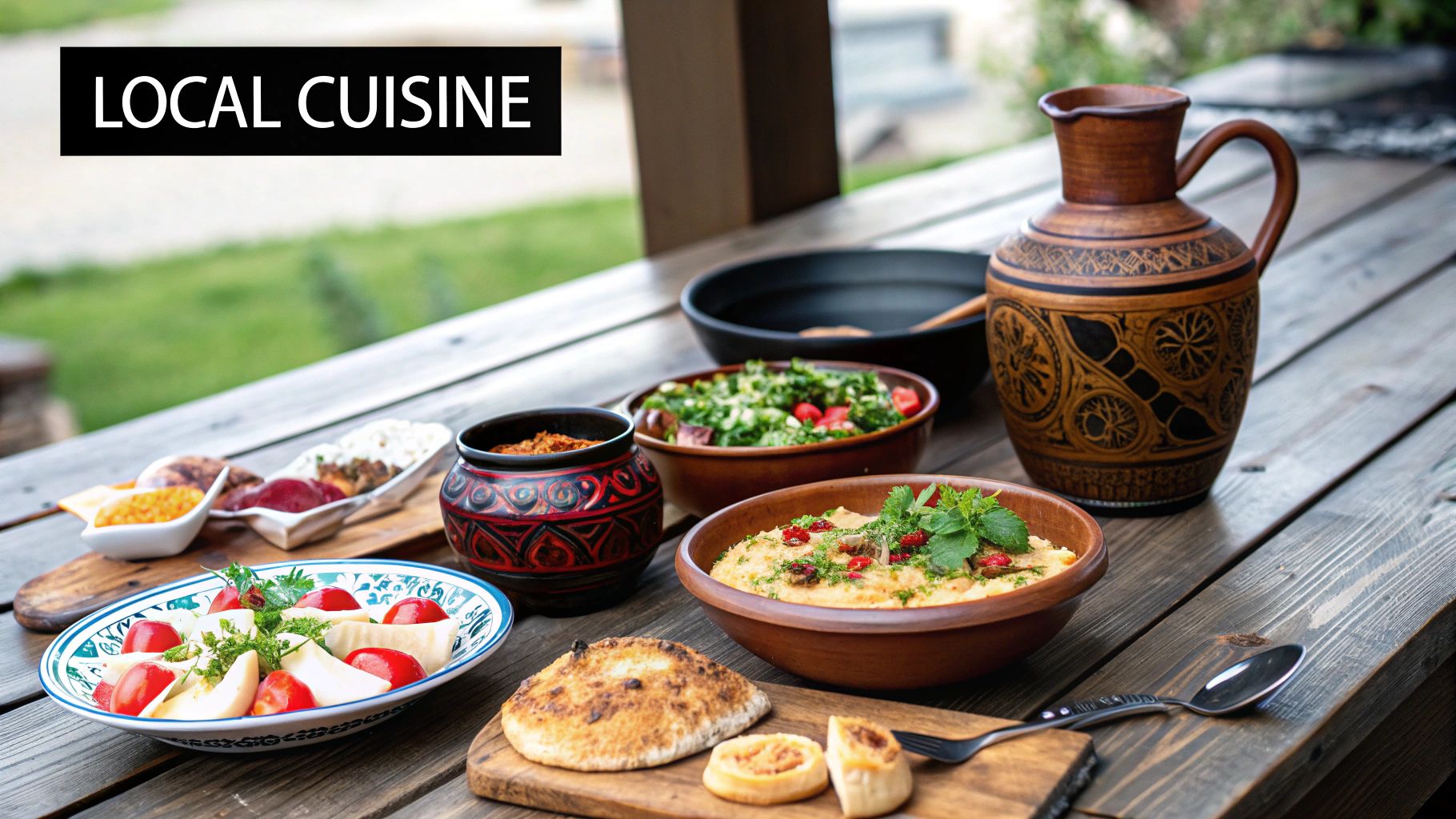
Eastern Europe offers more than just impressive architecture and historical sites. The true essence of this region lies within its people and their rich cultural heritage. Forget the typical tourist traps. Building genuine connections with locals can transform your Eastern European adventure into an unforgettable journey. This section explores how to engage with local culture respectfully and meaningfully, making your travel eastern europe experience truly special.
Food, Music, and Community: Gateways to Cultural Exchange
Sharing experiences like food, music, and community events provides a unique opportunity for authentic cultural exchange. Imagine attending a traditional Georgian supra – a communal feast overflowing with local cuisine, heartfelt toasts, and captivating stories. Or picture yourself immersed in the resonant harmonies of a Baltic song festival, where communities celebrate their heritage through music. These encounters offer a glimpse into the heart and soul of Eastern Europe, providing insights far deeper than any museum exhibit.
Building Rapport: Language and Local Experiences
Learning a few basic phrases in the local languages can significantly enhance your interactions. A simple “hello” or “thank you” in the native tongue often goes a long way, fostering a sense of connection and mutual respect. Look for experiences hosted by locals, such as cooking classes or guided hikes led by community members. These interactions offer invaluable perspectives and create lasting memories. For tips on finding these hidden gems, check out this resource: How to master your travel planning and find local gems.
Navigating Cultural Nuances
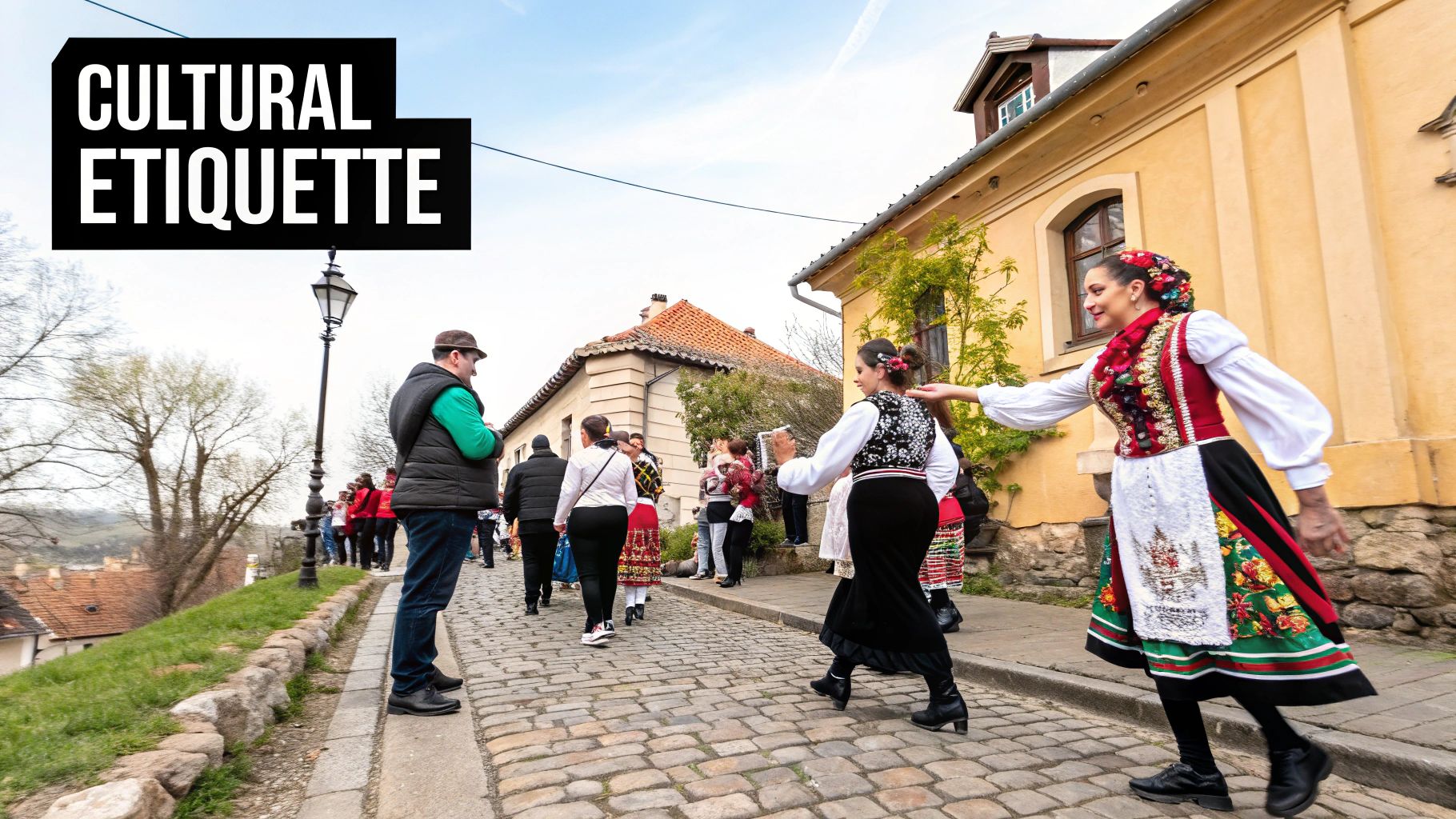
Eastern Europe boasts a vibrant tapestry of cultures, each with its distinct customs and etiquette. In some countries, removing your shoes before entering a home is a sign of respect. Others may have specific greetings or gift-giving traditions. Researching these nuances beforehand demonstrates cultural sensitivity and enhances your interactions, preventing misunderstandings and promoting positive connections.
Respectful Participation in Traditions
When engaging with local traditions, approach them with respect and an open mind. Ask questions, observe local customs, and be mindful of your impact. During religious ceremonies or festivals, dress modestly and follow the lead of those around you. This thoughtful approach not only enriches your personal experience but also helps preserve these traditions for future generations.
Building Connections That Last
The relationships you forge with locals can endure long after your trip concludes. Exchange contact information, maintain connections through social media, or even consider returning for future visits. These continued relationships add depth to your life and foster a deeper appreciation for the diverse cultures of Eastern Europe, transforming a simple trip into a journey of personal growth and cultural discovery. This allows you to truly experience travel eastern europe in a more profound way.
Moving Through Eastern Europe: Transport Mastery
Planning your transportation in Eastern Europe is key to a smooth trip. It’s all about balancing cost, comfort, and authentic local experiences. This section helps you navigate efficiently between and within countries, making the most of your Eastern European adventure.
Trains: Scenic and Budget-Friendly Journeys
Trains are a popular choice for exploring Eastern Europe, offering scenic routes and comfortable long-distance travel. Regional trains are generally affordable, especially with advance booking. They connect major cities and smaller towns, giving you flexibility when planning your itinerary.
For example, a train journey from Budapest to Prague lets you see the beautiful Hungarian hills and the Czech countryside. Keep in mind that comfort and speed can vary depending on the train and route.
Buses: Exploring Off the Beaten Path
Buses reach even the smallest villages, offering extensive coverage beyond train lines. They are often the most budget-friendly option, especially for shorter trips. Marshrutkas, local buses, offer an immersive cultural experience, connecting you with everyday life.
While a great way to experience local culture, buses can be crowded and less comfortable than trains, especially on long journeys.
Flights: Quick Connections Across Distances
Budget airlines have increased flight options within Eastern Europe, but flying is generally more expensive than trains or buses. Flights are most efficient for long distances, such as traveling between countries or to remote areas. For instance, flying from Krakow, Poland, to Bucharest, Romania, saves significant time compared to a multi-day train or bus trip.
To help you choose the best mode of transport for your needs, we’ve compiled a comparison table outlining the various options available in Eastern Europe:
Eastern Europe Transportation Options
A comparison of different transportation methods across Eastern European countries including costs, convenience, coverage, and best uses for travelers.
| Transportation Type | Average Cost | Coverage | Pros | Cons | Best For |
|---|---|---|---|---|---|
| Trains | Moderate | Major cities and towns | Scenic routes, comfortable for long distances | Can be slower than flying, varying levels of comfort | Longer journeys between cities, enjoying the landscape |
| Buses | Low | Extensive, reaches small villages | Budget-friendly, frequent departures | Can be crowded, less comfortable for long journeys | Short distances, reaching remote areas, budget travel |
| Flights | High | Major airports | Fastest option for long distances | More expensive, less scenic | Traveling between countries, covering vast distances quickly |
| Marshrutkas (local buses) | Very Low | Local routes, often within cities and surrounding areas | Immersive cultural experience, very affordable | Can be crowded, unpredictable schedules | Short trips, experiencing local life |
This table summarizes the key differences between transportation options, allowing you to make informed decisions based on your budget and travel style.
Practical Tips for Booking and Navigation
Booking transport in advance, particularly during peak season, is essential. Many train and bus companies offer online booking, though some local language knowledge can be helpful. You might be interested in How to master your travel planning.
Navigating Transportation Hubs
English signage may be limited in some Eastern European transport hubs. Downloading translation apps like Google Translate and learning basic local phrases can help you navigate stations and communicate effectively. This can make your travels smoother and less stressful. Be prepared for potential delays and allow extra time for connections.
Creating a Flexible Itinerary
Flexibility is key to a great Eastern European experience. While a general plan is important, allow for some flexibility in your itinerary. This helps you adapt to unexpected delays or exciting discoveries. A local might recommend a charming town, or a festival might catch your eye. Being open to these possibilities enhances your trip.
The Evolving Transportation Landscape
Eastern Europe’s transport network is constantly improving, with new high-speed rail lines and expanding flight networks. These advancements create more opportunities for efficient and comfortable travel. Researching the latest developments can help you find the best options for your Eastern European adventure.
For example, newer high-speed trains can significantly reduce travel time between major cities, allowing you to explore more destinations. Staying informed about these developments can improve your travel planning.
Travel Eastern Europe Responsibly: A Sustainable Approach
The authentic charm of Eastern Europe is a key part of its appeal, and it’s something we need to protect. Making thoughtful travel choices helps support developing tourism regions. This means thinking about how our trips affect both the local communities and the surrounding environment. This section explores responsible travel in Eastern Europe, ensuring its beauty and culture endure for future generations.
Supporting Local Economies and Communities
A vital aspect of responsible travel involves supporting local economies. Choose accommodations owned by locals, dine in family-run restaurants, and buy souvenirs directly from artisans. This puts your money directly into the local community, creating a more significant positive effect compared to supporting large international chains. For example, community-based tourism in rural Romania provides authentic experiences that directly benefit local families.
When looking at sustainable travel in Eastern Europe, consider Remote Travel Jobs. This could allow you to spend more time in the region while lessening your financial burden.
Preserving Cultural and Natural Treasures
Eastern Europe’s natural landscapes, from the Croatian coastline to the Tatra Mountains, are invaluable. Minimize your environmental impact by opting for eco-friendly travel like trains and buses, reducing plastic waste, and showing respect for wildlife. Back initiatives that protect these natural resources, such as regenerative travel projects in Croatia’s coastal regions.
Respectful engagement with local cultures is also crucial. Learn some basic phrases in the local language, be aware of local customs, and support efforts to preserve local heritage. You might find this helpful: How to master travel logistics. This demonstrates respect for traditions and contributes to their survival.
Sustainable Tourism in a Changing World
European tourism, including travel to Eastern Europe, has proven resilient, even with challenges like the COVID-19 pandemic. Recent years have seen a change in travel patterns toward more local and sustainable options. For example, within the EU, short domestic trips have increased, with almost half of all trips in 2023 being domestic. Eastern European countries are embracing this trend, showcasing eco-friendly destinations. Learn more about European tourism trends here. This shows a rising interest in environmentally conscious travel, making the region more attractive for responsible tourists.
Practical Tips for Responsible Travel
Ethical choices about your accommodations, purchases, and interactions with communities have a positive influence on their growth. Here are some practical suggestions:
- Choose sustainable accommodation: Seek out hotels and guesthouses that have eco-certifications or are actively minimizing their environmental effects.
- Support local businesses: Choose restaurants, shops, and tour operators owned by locals. This ensures your spending directly helps the community.
- Reduce your plastic consumption: Use a reusable water bottle and say no to single-use plastics.
- Respect local customs: Dress modestly at religious sites and learn basic greetings in the local language.
- Minimize your environmental footprint: Use public transit, walk, or bike when you can.
- Support conservation efforts: Donate to or volunteer with local organizations dedicated to environmental and cultural heritage protection.
By following these tips, you can connect more deeply with the people and places that make Eastern Europe special while reducing your impact. This helps ensure the region’s beauty and authenticity remain for everyone to enjoy in the future.
From Planning to Perfection: Your Eastern Europe Journey
Transforming travel anxieties into a well-structured plan is essential for a successful Eastern European adventure. This section offers a practical guide for navigating the logistics of Eastern European travel, from selecting the ideal season to packing efficiently and staying connected. We’ll cover visa requirements, currency exchange, communication tips, safety advice, health preparations, and contingency planning, enabling you to personalize your travel plan to match your style and the unique character of Eastern Europe.
Mastering the Essentials: Visas, Currency, and Communication
Before embarking on your Eastern European journey, it’s vital to understand the visa requirements for your nationality and destinations. Some countries may require visas obtained in advance, while others permit visa-free travel for shorter stays. Check the specific regulations for each country on your itinerary and apply for visas well ahead of time to avoid any last-minute issues.
Currency exchange is another key aspect of trip planning. While some countries use the Euro, others have their own currencies. Researching exchange rates and determining the best way to manage your finances—whether through credit cards, debit cards, or exchanging cash—can save you both money and headaches. Carrying small denominations of local currency is often useful for small purchases and tipping.
While English is spoken in many tourist areas, learning a few basic phrases in the local languages can significantly enhance your interactions with residents. Even simple greetings like “hello” and “thank you” can be valuable in establishing rapport and demonstrating respect for the local culture. Consider using translation apps or carrying a phrasebook for situations where English isn’t widely understood.
Packing Smart: Adapting to Diverse Climates and Cultures
Eastern Europe experiences a wide range of climates, from hot summers to cold winters. Packing layers is crucial to adapt to fluctuating weather conditions. Comfortable walking shoes are a must, as you’ll likely do a lot of exploring on foot.
Also, consider the cultural norms of your destinations when packing. Some religious sites may require modest clothing, so pack items that cover your shoulders and knees. A lightweight scarf or shawl can be a versatile addition to your wardrobe, serving both practical and cultural purposes.
Safety First: Regional Considerations and Health Preparations
While Eastern Europe is generally safe for travelers, it’s always prudent to be mindful of your surroundings and take precautions against petty theft. Keep valuables secure and avoid displaying large sums of cash. Research any specific safety concerns for your destinations and familiarize yourself with local emergency numbers.
Before your trip, consult your doctor about recommended vaccinations and necessary health precautions. Pack a basic first-aid kit and any required medications. Travel insurance is also strongly advised, offering peace of mind in case of unforeseen medical expenses or other travel disruptions.
Staying Connected: Communication and Technology
Staying connected while traveling in Eastern Europe is simpler than ever, thanks to widespread Wi-Fi and affordable local SIM cards. Researching mobile data plans and buying a local SIM card upon arrival can be a cost-effective way to stay in touch. This allows you to use maps, translation apps, and communicate with family and friends back home. Remember to notify your mobile provider of your travel dates to prevent roaming charges.
Contingency Planning: Preparing for the Unexpected
Even with meticulous planning, unexpected issues can occur during travel. Having a contingency plan can help you manage these smoothly. This might involve having backup copies of essential documents, sharing your itinerary with someone at home, and carrying a small amount of emergency cash.
Consider potential travel disruptions, like flight delays or cancellations, and have backup plans in place. Being prepared for unexpected events can minimize stress and contribute to a more enjoyable trip. This also includes understanding local tipping customs, which can vary significantly between countries.
By addressing these key aspects of travel planning, you can confidently explore Eastern Europe, transforming potential anxieties into a well-structured, enriching adventure. This thoughtful approach will empower you to make the most of your journey, embracing the unique experiences and cultural richness that Eastern Europe has to offer.

Hi, I’m Lily, a travel writer based in the UK who loves exploring everything from familiar hometown gems to the varied landscapes across Europe. Whether I’m strolling through charming coastal villages or hopping trains across the continent, I’m always on the lookout for authentic, unexpected stories and experiences.
My writing style is simple and relatable—think no-fuss guides to finding the best pasty in Cornwall or stress-free tips for getting around European cities. If there’s a great view, tasty food, or a bit of history involved, chances are I’m already scribbling notes about it.