
Last Updated on
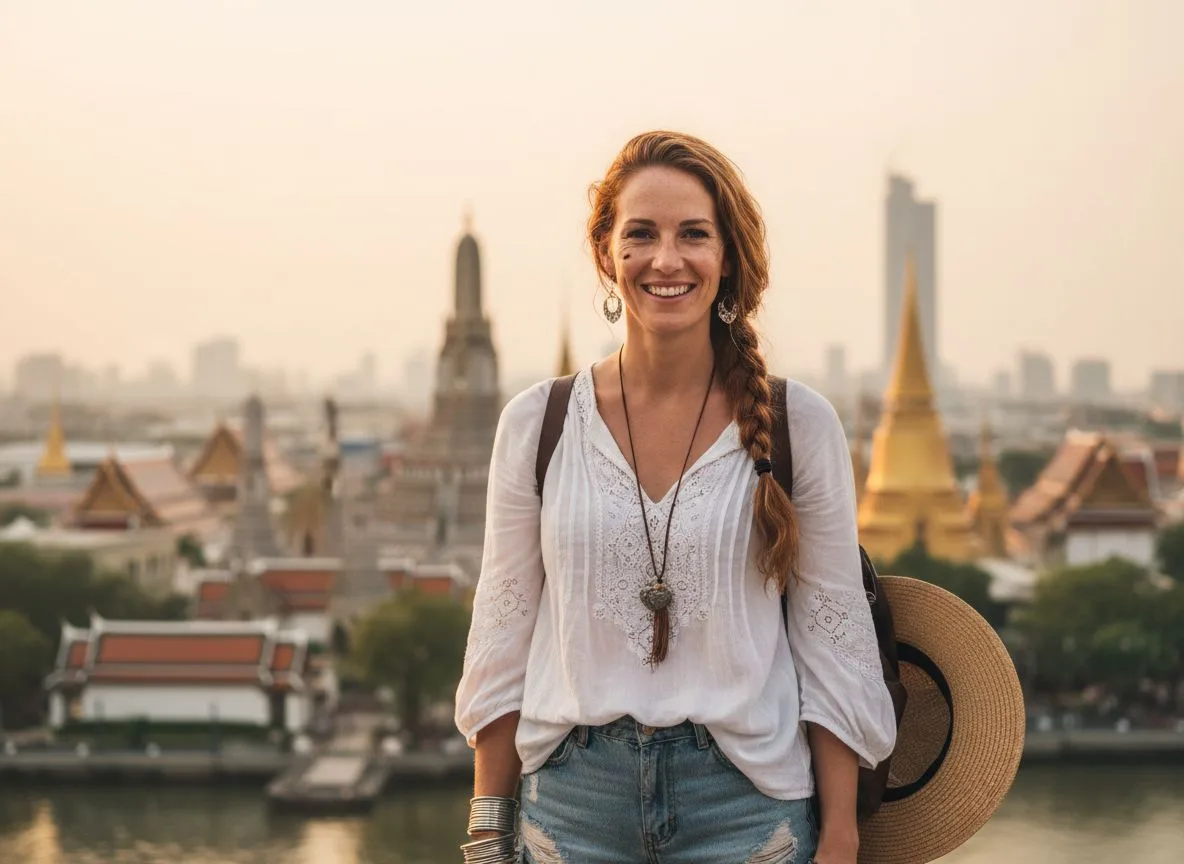
Bangkok invites solo travelers with its unique blend of tradition and modern life. Whether you want to explore sacred temples, taste new flavors on the street, or find a comfortable spot to rest, this city welcomes you with open arms.
Traveling alone here is not only safe but also exciting—Bangkok is full of friendly locals, helpful transport systems, and activities that suit all interests. You can move at your own pace, follow your curiosity, and discover sides of the city that group travelers often miss.
This guide will help you enjoy solo travel in Bangkok by focusing on three things: famous temples, unforgettable street food, and the best places to stay. Along the way, you’ll get practical advice, safety tips, and a few insights that most beginners overlook. By the end, you’ll feel ready to explore Bangkok confidently—on your own terms.
Why Solo Travel In Bangkok Works So Well
Traveling alone in Bangkok is easier than in many other big cities. English is widely used in tourist areas, especially in hotels, transport stations, and main attractions. The city is also known for its safety, especially in central zones. Pickpocketing can happen (like anywhere), but violent crime is rare for tourists.
Bangkok’s locals are used to solo travelers. Restaurants will happily serve you a single seat, and you’ll find many backpackers and digital nomads to connect with if you want company. Public transport, from the skytrain (BTS) to the river boats, is reliable and easy to use with clear signs.
The city’s 24-hour energy means you can always find food or a place to relax, no matter the time.
Many solo travelers worry about feeling lonely. In Bangkok, that rarely lasts. Street vendors, hostel staff, and even monks at temples often greet you with a smile and a helpful word. If you want to meet other travelers, hostels, walking tours, and cooking classes make it easy.
Temples: Bangkok’s Spiritual Heart
The city’s skyline is shaped by golden roofs, tall spires, and peaceful courtyards. Visiting Bangkok’s temples is about more than just sightseeing. Each temple (or “wat”) offers a look into Thai culture, history, and daily life.
The Grand Palace And Wat Phra Kaew
No visit is complete without seeing the Grand Palace. Built in 1782, it was the home of Thai kings for over 150 years. Inside the grounds is Wat Phra Kaew, or the Temple of the Emerald Buddha. This small green Buddha, made from jade, is the most sacred statue in Thailand.
Expect crowds, but don’t rush. Take time to admire the gold details, hand-painted murals, and the beautiful gardens. Dress code is strict: cover your shoulders, knees, and feet. Security will turn you away if you wear shorts or sleeveless shirts.
Non-obvious insight: The best time to visit is as soon as the gates open (usually 8:30am). The temperature is cooler, the light is perfect for photos, and tour buses haven’t arrived yet.
Wat Pho: The Reclining Buddha
A short walk from the Grand Palace is Wat Pho. Here you’ll find a giant golden Buddha lying on his side—46 meters long and 15 meters high. The feet are decorated with mother-of-pearl designs that show lucky symbols.
Wat Pho is also famous as the birthplace of Thai massage. Solo travelers can get a massage from the school on the temple grounds—prices are fair and the staff are well-trained.
Tip: After exploring, walk around the temple’s quiet courtyards. Fewer people venture here, and you can sit peacefully among the chedis (stupas) and statues.
Wat Arun: The Temple Of Dawn
Across the Chao Phraya River stands Wat Arun. Its tall spire, covered in colorful porcelain, shines in the sunlight. Climb the steep steps (careful—they are narrow and high) for a panoramic view of the river and city skyline.
The temple looks best at sunrise or sunset, when the light reflects off the tiles. If you want a great photo, take the ferry from Tha Tien Pier and capture Wat Arun from the opposite riverbank.
Wat Saket: The Golden Mount
For a calmer experience, visit Wat Saket. This temple sits on a hill with a golden chedi at the top. The climb is about 300 steps, but it’s easy and shaded by trees. Once up, you’ll see a 360-degree view of Bangkok, with bells and prayer flags fluttering in the breeze.
Solo travelers often find Wat Saket less crowded—perfect for quiet reflection or journaling.
Other Notable Temples
Bangkok has over 400 temples. Here are a few more worth your time:
- Wat Traimit – Home to the world’s largest solid gold Buddha.
- Wat Benchamabophit (Marble Temple) – Known for its Italian marble and peaceful gardens.
- Wat Ratchanatdaram – Unique for its multi-layered metal spires.
Practical Tip: Always remove your shoes before entering the main temple halls. Bring socks if the ground is hot.
Comparing Bangkok’s Top Temples
Here’s a quick overview to help you plan:
| Temple | Main Attraction | Entrance Fee (THB) | Best Time to Visit | Dress Code |
|---|---|---|---|---|
| Grand Palace & Wat Phra Kaew | Emerald Buddha | 500 | Early morning | Strict |
| Wat Pho | Reclining Buddha | 200 | Morning | Modest |
| Wat Arun | Spire & river view | 100 | Sunrise/Sunset | Modest |
| Wat Saket | Golden Mount | 50 | Late afternoon | Modest |
Non-obvious insight: Carry a lightweight scarf or sarong in your day bag. It’s an easy way to cover up quickly for temple visits.
Bangkok’s Street Food: A Solo Traveler’s Feast
Bangkok’s street food is world-famous. You don’t need to sit in a fancy restaurant to taste the best Thai flavors. In fact, many locals eat on the street every day. For solo travelers, street food is perfect—cheap, fast, and always lively.
Where To Find The Best Street Food
The city’s best food comes from busy areas where locals eat. Here are top spots:
- Yaowarat (Chinatown): Nighttime paradise for seafood, noodles, and sweet treats. The energy here is unmatched.
- Khao San Road: Famous with backpackers. Try pad thai, banana pancakes, and spicy soups.
- Victory Monument: Lots of noodle stalls and small restaurants. Popular with students and office workers.
- Ari and Chatuchak: Trendy areas with food markets, especially on weekends.
Must-try Dishes
If you’re new to Thai food, start with these dishes:
- Pad Thai: Stir-fried noodles with shrimp or chicken, eggs, tofu, peanuts, and lime.
- Som Tam: Green papaya salad with chili, lime, fish sauce, and peanuts.
- Mango Sticky Rice: Sweet coconut rice with fresh mango slices.
- Tom Yum Goong: Spicy and sour shrimp soup with lemongrass and lime leaves.
- Satay: Grilled meat skewers served with peanut sauce.
- Khao Man Gai: Chicken with rice, cucumber, and a tangy sauce.
- Kanom Krok: Coconut rice pancakes, crispy outside and soft inside.
Tip: Most dishes cost between 40–100 baht (about $1–$3 USD). You can eat well for less than $10 a day.
How To Order Street Food As A Solo Traveler
- Point and Smile: If you don’t know the name, point at what looks good.
- Try Small Portions: Many stalls offer snack-sized plates.
- Watch Locals: Eat where locals line up—the food is fresher and tastier.
- Bring Small Bills: Vendors may not have change for large notes.
Street Food Etiquette And Safety
Solo travelers often worry about hygiene. Bangkok’s street food is generally safe, but follow these rules:
- Choose busy stalls with high turnover.
- Avoid food that’s been sitting out.
- Drink bottled or filtered water.
- Use hand sanitizer before eating.
Non-obvious insight: If you have food allergies, learn the Thai words for your allergy (for example, “phom mai ao tua” = “I don’t want peanuts”) or write it on a card to show vendors.
Comparing Top Street Food Areas
This overview can help you decide where to start:
| Area | Best For | Typical Opening Hours | Solo-Friendly? |
|---|---|---|---|
| Yaowarat | Seafood, sweets | 6pm–midnight | Yes, lively and safe |
| Khao San Road | Backpacker favorites | All day, best at night | Yes, many solo diners |
| Victory Monument | Noodles, local eats | 10am–10pm | Very welcoming |
| Chatuchak Market | Variety, weekend only | Sat–Sun, 9am–6pm | Yes, but crowded |
How To Enjoy Street Food Alone
One of the best parts of solo travel in Bangkok is eating whatever you want, whenever you want. You can try new things without worrying about others’ tastes. If you feel shy, look for communal tables—Thais are used to sharing space, and you might strike up a conversation.
Practical advice: Bring tissue or wet wipes. Street stalls don’t always provide napkins, and some serve food in plastic bags or banana leaves.
Non-obvious insight: If you’re worried about spice, say “mai phet” (not spicy) when you order. Most vendors will adjust the heat for foreigners.
Where To Stay: Accommodation For Solo Travelers
Bangkok offers every type of accommodation, from $10 hostels to luxury hotels. Where you stay affects your safety, transport options, and how easy it is to meet people. Here’s how to choose the best spot for your solo adventure.
Best Neighborhoods For Solo Travelers
- Siam: Central, easy transport, shopping, and close to museums. Good for first-timers.
- Khao San Road: Famous backpacker area—cheap, social, and always busy.
- Silom: Mix of business and nightlife, with parks and street food.
- Sukhumvit: Modern, trendy, lots of cafes, bars, and BTS access.
- Old City (Rattanakosin): Close to main temples and historical sights, quieter at night.
- Ari: Up-and-coming hipster area, local markets, and cafes.
Hostels: Social And Affordable
Bangkok’s hostels are among the best in Asia. Clean, safe, and often full of solo travelers looking for friends. Most offer:
- Mixed or female-only dorms
- Private rooms for more privacy
- Common areas for meeting people
- Free Wi-Fi and breakfast
Some hostels organize city tours, pub crawls, or cooking classes. These are great ways to connect with other travelers if you want company.
Experience-based tip: Booking a hostel with curtains on the beds gives you privacy when you need downtime.
Hotels And Guesthouses
If you prefer quiet or a private bathroom, Bangkok has hundreds of hotels and guesthouses. Prices start around $20–$30 per night for a basic, clean room. Many small hotels are family-run and offer personal advice about the city.
Non-obvious insight: Guesthouses near the river (in the Old City) are peaceful, with beautiful sunset views, but may be harder to reach by BTS or MRT.
Capsule Hotels And Boutique Stays
For something different, try a capsule hotel. You get a private pod with just enough space for sleeping, plus shared bathrooms. These are popular with solo business travelers and those who want a unique experience.
Bangkok also has many boutique hotels—small, stylish, and often in restored buildings. Prices are higher ($50+ per night), but you get better design and often a more local feel.
How To Choose The Right Place
Consider these factors:
- Location: Stay near a BTS, MRT, or pier for easy access.
- Safety: Read reviews for security and cleanliness.
- Social Atmosphere: Hostels for meeting people; hotels for privacy.
- Amenities: Free breakfast, laundry, lockers for valuables.
Comparing Accommodation Types
This summary highlights the pros and cons:
| Type | Average Price/Night (USD) | Best For | Downsides |
|---|---|---|---|
| Hostel Dorm | 10–20 | Meeting travelers, saving money | Less privacy, shared bathrooms |
| Private Room Hostel | 20–35 | Quiet, but social if wanted | Can be small, basic |
| Budget Hotel/Guesthouse | 25–50 | Comfort, privacy | Less social |
| Capsule Hotel | 15–30 | Novelty, solo privacy | Small space, shared baths |
| Boutique Hotel | 50–100 | Design, local feel | Higher cost |
Non-obvious insight: If you arrive late at night, arrange airport pickup with your accommodation, or use a reliable taxi app. This avoids confusion and makes your first hours stress-free.
Practical Tips For A Smooth Solo Trip
Planning ahead can help you avoid common mistakes and enjoy your solo travel in Bangkok.
Getting Around
- BTS Skytrain and MRT: Fast, air-conditioned, and covers most tourist spots.
- River Boats: Cheap and scenic—great for visiting temples along the river.
- Motorbike Taxis: Fast for short trips, but only for the brave!
- Tuk-tuks: Fun but agree on a price first.
- Grab App: Like Uber, safe and easy for solo travelers.
Tip: Use a stored-value Rabbit Card for BTS or a one-day pass if you’ll travel a lot.
Staying Safe
Bangkok is generally safe, but keep these in mind:
- Watch out for scams around tourist sites (e.g., tuk-tuk drivers saying a temple is “closed”).
- Keep valuables close, especially in crowded places.
- Avoid walking alone in empty alleys late at night.
Non-obvious insight: Most hostels and hotels have lockers, but bring your own padlock for extra security.
Money And Communication
- ATMs are everywhere, but charge a fee (usually 220 baht per withdrawal).
- Many places take cash only—carry small bills.
- SIM cards with unlimited data are cheap at the airport.
Solo Travel Social Tips
- Join group tours for a day if you want company.
- Cooking classes, bike tours, and walking tours are great for meeting people.
- Many cafes and coworking spaces welcome digital nomads.
Non-obvious insight: Bangkok has “meetup” groups for solo travelers, expats, and language exchange. Check social apps or notice boards in hostels.
Making The Most Of Your Solo Adventure
Traveling alone is a chance to step out of your comfort zone. In Bangkok, you’ll find inspiration everywhere—monks chanting at dawn, busy markets, and quiet moments by the river. You set your own schedule, whether you want to explore all day or relax in a park with a fresh coconut.
Try things you wouldn’t do at home. Take a boat ride at sunset, visit a rooftop bar alone, or join a local meditation session. Bangkok rewards curiosity and an open mind.
Experience-based advice: Some of your best memories will come from small surprises—a friendly street vendor, a hidden alley, or an unexpected festival. Leave space in your plan for the unexpected.
Frequently Asked Questions
What Is The Best Time Of Year For Solo Travel In Bangkok?
The best months are November to February. The weather is cooler (around 25–30°C / 77–86°F), and there’s less rain. This is also peak tourist season, so book accommodation early. March to May is very hot, while June to October sees heavy rain, but fewer crowds.
Is Bangkok Safe For Solo Female Travelers?
Yes, Bangkok is one of Asia’s safer big cities for solo female travelers. Stick to well-lit areas, use official taxis or ride-hailing apps at night, and avoid showing valuables. Hostels often have female-only dorms. Thai people are generally respectful—catcalling is rare, but always trust your instincts.
How Do I Meet Other Solo Travelers In Bangkok?
Stay at social hostels, join day tours, or take cooking and language classes. Bars and cafes in Khao San Road and Silom are popular meeting spots. Apps like Meetup or Facebook groups for travelers in Bangkok also help connect people.
Can I Visit Temples Alone, And What Should I Know?
Yes, visiting temples alone is common. Dress modestly (cover shoulders and knees), remove shoes before entering, and be respectful—no loud talking or selfies near monks in prayer. Photography is allowed in most areas, but not always inside the main shrine.
What’s The Easiest Way To Get From The Airport To Downtown Bangkok?
The Airport Rail Link connects Suvarnabhumi Airport to downtown quickly and cheaply. Taxis are available 24/7—use the official taxi queue and expect a fare of 300–500 baht to the city center. For Don Mueang Airport, taxis or the A1/A2 shuttle bus to Mo Chit BTS are best options. More details can be found at the official Bangkok Airport Guide.
Bangkok is a city that grows on you, especially when you travel solo. Its temples, street food, and welcoming locals make every day different. With smart planning and a spirit of adventure, you can enjoy everything this amazing city has to offer—one step at a time.

I’m Vamika, a solo traveller and writer from Jaipur, India. Growing up in Rajasthan gave me an early education in how travel can be both humbling and transformative, and I’ve spent the last 8 years chasing that feeling across Asia and beyond.
I’ve completed 45+ solo trips covering India, Thailand, Japan, Vietnam, Indonesia, Sri Lanka, Australia and New Zealand. I speak Hindi, English and conversational Thai, the Thai came from three extended stays in Chiang Mai that turned into something closer to living there than visiting.
I write specifically for solo travellers navigating Asia: the sensory overload of arriving in Bangkok alone for the first time, the logistics of getting a SIM card that actually works, the budget hostels that feel safe, and the temples that are worth the early alarm. I cover the layover game better than almost anyone, I’ve turned dozens of airport stopovers into genuine mini-adventures.
If you’re a solo traveller heading to Asia and you want advice that’s actually been tested on the ground, you’re in the right place.