

Last Updated on
Crafting Your Perfect Two Weeks in France
Planning a two-week trip to France can feel daunting. This beautiful country offers a plethora of options, from the vibrant energy of its cities to the tranquil charm of its villages. How do you choose what to see and do with limited time? The secret to a memorable trip is strategic planning, balancing iconic landmarks with authentic cultural immersion. This means venturing beyond the typical tourist hotspots and embracing the diverse regional experiences France has to offer.
Choosing Your Regions
For a well-rounded two-week French adventure, consider a blend of urban exploration, historical immersion, and natural beauty. Start by identifying your primary interests. Are you drawn to art and architecture, culinary delights, or perhaps the breathtaking landscapes of the French countryside? Once you’ve pinpointed your passions, select two or three regions that complement one another. A classic combination, for example, might be Paris and the Loire Valley. This pairing offers a vibrant city experience alongside the fairytale charm of French castles.
Balancing Iconic Landmarks with Authentic Experiences
While the Eiffel Tower and the Louvre Museum are must-sees, don’t let your itinerary become a checklist of famous attractions. Instead, incorporate authentic experiences that provide deeper insights into French culture.
- Exploring local markets
- Taking a cooking class
- Enjoying a leisurely coffee at a neighborhood café
These are just a few examples of how to embrace the French lifestyle.
France welcomed a record 100 million international tourists in 2024. This surge in visitors, partly due to events like the Paris Olympics, emphasizes the importance of thoughtful planning. With the average international stay at 6.4 nights, a two-week itinerary offers the perfect opportunity to delve deeper into multiple regions. For more detailed tourism statistics on France, you can visit Road Genius.
Visualizing Your Itinerary Options
To help you visualize your trip, the following table presents three different itinerary options for spending two weeks in France based on different travel styles and interests:
Two-Week France Itinerary Options
| Itinerary Type | Days 1-5 | Days 6-9 | Days 10-14 | Best For |
|---|---|---|---|---|
| Classic France | Paris | Loire Valley | Provence/Riviera | First-time visitors, romantics |
| History & Culture | Normandy | Loire Valley | Burgundy | History buffs, wine lovers |
| Nature & Outdoors | French Alps | Provence | Corsica | Hikers, nature enthusiasts |
This table provides a starting point for crafting your perfect French adventure, highlighting the variety of experiences available. Each option offers a unique blend of destinations to cater to specific interests.
The data chart below further visualizes these options, showing how you can tailor your trip based on your passions. The Classic France itinerary offers a balanced approach, showcasing the iconic city of Paris, the charming Loire Valley, and the beautiful Provence/Riviera region. The History & Culture and Nature & Outdoors itineraries cater to more specific interests.
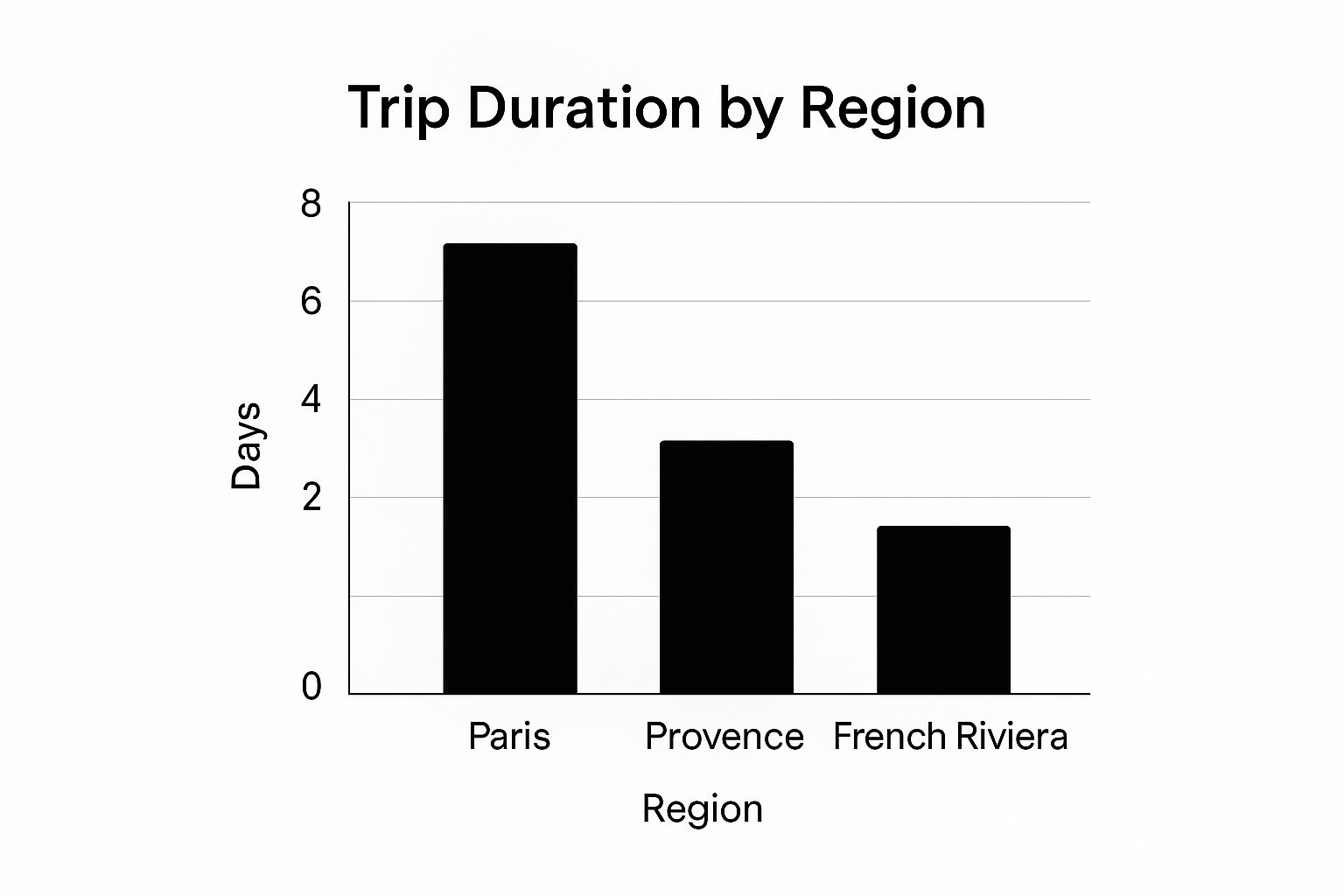
As the data chart shows, each region offers unique experiences. Whether you’re captivated by history, drawn to nature, or seeking a blend of iconic landmarks and local experiences, a well-planned two-week itinerary allows you to truly immerse yourself in the beauty and culture of France.
By carefully selecting your regions and balancing must-see sights with authentic experiences, you can transform your two weeks in France into an unforgettable journey. The next step is to explore the specifics of each region and create a personalized itinerary that reflects your unique travel style.
Days 1-4: Experiencing Paris Beyond the Postcard
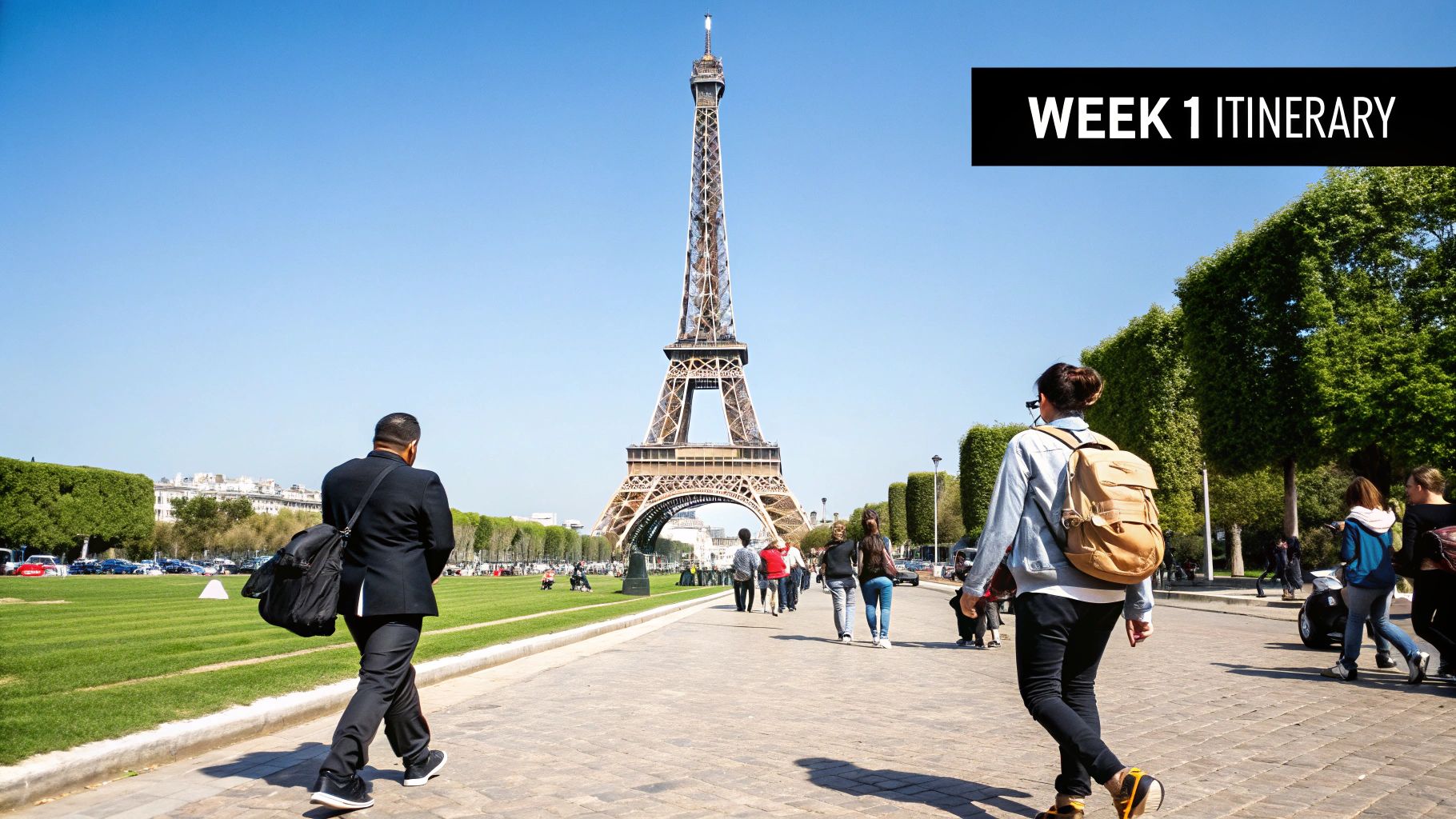
Paris, a city of romance and iconic landmarks, deserves more than a quick visit. A well-planned two weeks in France allows for a deeper exploration of the Parisian experience, going beyond the typical tourist traps. This involves balancing the must-see sights with authentic neighborhood adventures that reveal the city’s true spirit.
Mastering the Must-Sees
The Eiffel Tower, the Louvre Museum, Notre Dame Cathedral—these are undeniably essential parts of any Paris trip. However, thoughtful planning can significantly improve these experiences. Pre-booking tickets online, for instance, can dramatically reduce wait times, especially during peak tourist season.
Consider visiting the Eiffel Tower at night for a unique perspective, illuminated against the Parisian skyline. This lets you appreciate its architectural beauty while avoiding the daytime crowds. Explore the Louvre strategically, focusing on particular exhibits rather than attempting to see everything at once.
Exploring Hidden Gems
 Beyond the famous landmarks, Paris is filled with hidden courtyards, quaint bookstores, and bustling local markets. The Marais district, for example, offers a distinctive blend of history and trendy shops. Explore its narrow streets, discover tucked-away gardens, and savor a traditional falafel from L’As du Fallafel.
The Latin Quarter, a historic student center, offers a lively atmosphere with its countless bookshops and cafes. These neighborhoods reveal Parisian life beyond the typical tourist images. You might be interested in: How to master your travel planning with our sitemap.
Balancing Energy and Spontaneity
While pre-booking major attractions is recommended, leave room for spontaneous discoveries. You might stumble upon a local art gallery, a vintage clothing market, or a charming neighborhood bistro. These unplanned moments often create lasting travel memories.
Remember to pace yourself. Paris is best explored on foot, but balance those walks with relaxing breaks at inviting cafes or tranquil parks. This approach helps you absorb the atmosphere and prevent exhaustion.
Strategic Day Trips
Paris provides easy access to surrounding areas, making enriching day trips convenient. Visit the Palace of Versailles, the lavish former royal residence, or explore the charming medieval town of Chartres, known for its breathtaking cathedral.
These excursions provide insight into the larger Parisian region without interrupting your city experience. Choose your day trips carefully to avoid overloading your itinerary. For example, dedicate a full day to Versailles to explore its extensive gardens and palace. Plan your Chartres trip around the cathedral’s light show for a memorable experience.
Parisian Arrondissements: Choosing Your Base
Paris is divided into 20 arrondissements, each with its own distinct personality. Choosing the right arrondissement for your lodging can significantly enhance your visit. The central arrondissements (1st-8th) offer convenient access to main attractions, while the outer arrondissements provide a more local experience.
 The 7th arrondissement, home to the Eiffel Tower, is perfect for a classic Parisian stay. The 3rd and 4th arrondissements, encompassing the Marais and parts of the Latin Quarter, provide a vibrant and trendy atmosphere. Consider your budget and desired ambiance when selecting your accommodations.
This will determine your ease of exploring the city, accessing transportation, and experiencing the local culture. By understanding the nuances of each arrondissement, you can choose a location that complements your travel style and enhances your time in this captivating city.
Days 5-8: Uncovering the Soul of Normandy and Loire
Leaving the vibrant energy of Paris, our two-week French adventure now takes us to the serene landscapes of Normandy and the Loire Valley. This part of the trip offers a welcome change of pace, transitioning from bustling cityscapes to tranquil countryside steeped in history, natural beauty, and authentic local culture.
Normandy: D-Day History and Coastal Charm
Normandy’s historical significance is undeniable. Exploring the D-Day landing beaches is a poignant and unforgettable experience. However, beyond these important sites, Normandy also offers breathtaking cliffs, charming coastal towns, and picturesque villages waiting to be discovered. A balanced itinerary should blend historical exploration with moments of quiet reflection.
The Normandy American Cemetery and Memorial in Colleville-sur-Mer is a deeply moving tribute. The sheer size of the cemetery, with rows upon rows of white crosses, serves as a solemn reminder of the sacrifices made during World War II.
Afterwards, take some time to walk along the sands of Omaha Beach, one of the key landing sites. Imagining the events that unfolded here creates a powerful connection to the past. For those interested in planning their trip, this sitemap might be helpful: How to master your travel planning with our sitemap.
Mont Saint-Michel: A Tidal Island Marvel
Our journey continues to Mont Saint-Michel, a truly unique tidal island crowned by a magnificent abbey. To fully experience the magic of this destination without the crowds, consider the tides. Checking the tide charts in advance is crucial. Arriving as the tide recedes unveils the surrounding bay, a truly unforgettable sight.
Staying overnight in a nearby village allows you to appreciate the island’s beauty both during the day and under the enchanting nighttime sky. Witnessing the changing light and atmosphere adds to the allure of this remarkable place.
Loire Valley: Fairytale Castles and Vineyards
The Loire Valley presents a different kind of charm, known for its fairytale castles and rolling vineyards. Choosing which of the many châteaux to visit can be a challenge. A good strategy is to select a few that represent different architectural styles and historical periods. Chambord, for instance, is renowned for its grand exterior and expansive grounds. Chenonceau, on the other hand, offers a captivating interior with ornate furnishings and fascinating history.
Domestic tourism plays a significant role in France, representing 69.2% of all overnight stays in 2024. This statistic reveals how much the French value exploring their own country, often combining well-known landmarks with hidden rural treasures within their two-week travels. Find more detailed statistics here. This suggests that exploring lesser-known destinations, such as the charming villages in the Loire Valley, can significantly enrich your trip.
Immersing in Local Life
Choosing the right accommodations can greatly enhance your Normandy and Loire Valley experience. Consider staying in local guesthouses or charming bed and breakfasts instead of standard hotels. This provides a more authentic experience and a chance to connect with the local community, learning about their everyday life and regional traditions.
From the apple orchards of Normandy to the vineyards of the Loire, culinary exploration is a must. Embrace the regional specialties, from Normandy cider to the diverse wines of the Loire. Savor the local dishes, discover traditional cooking techniques, and experience the unique flavors that define these regions. This culinary journey adds another layer to your exploration of northern France, creating a richer and more memorable travel experience.
Days 9-11: Savoring Provence and Riviera Rhythms

France’s southeastern corner, drenched in sunlight, offers a delightful mix of experiences. From the quaint hilltop villages of Provence to the stylish coastal towns of the French Riviera, this region moves at its own pace. A well-planned two weeks in France should definitely include some time to soak up this unique atmosphere.
Exploring the Provençal Landscape
Provence’s charm is rooted in its varied landscape. Hilltop villages, like Gordes and Roussillon, provide stunning vistas and a taste of a slower pace of life. To truly appreciate these villages, try visiting on market days.
This allows you to engage with local vendors, taste regional specialties, and immerse yourself in the authentic Provençal ambiance. Remember to check market schedules beforehand, as some cater more to tourists than locals.
Provençal Markets: A Local Experience
For instance, the market in Aix-en-Provence is known for its fresh, locally-sourced produce, while the market in Saint-Rémy-de-Provence showcases a wide array of crafts and artisan goods. Selecting the right market enhances your cultural immersion and supports local businesses.
Roman Heritage Without the Crowds
Provence also features impressive Roman ruins, including the well-preserved amphitheater in Arles and the Pont du Gard aqueduct. These sites offer a glimpse into the region’s rich history. A major advantage? You’ll find fewer crowds here compared to similar sites in Italy.
This makes Provence an appealing destination for history buffs looking for a more relaxed experience. Combining visits to these historical sites with trips to nearby vineyards and olive groves makes for a balanced itinerary. For further travel information, see our sitemap with various travel resources.
Riviera Rhythms: Balancing Glamour and Budget
Moving on to the French Riviera, the coastline transforms, showcasing glamorous towns like Nice, Cannes, and Saint-Tropez. While these destinations are known for their upscale vibe, experiencing the Riviera doesn’t have to break the bank.
Careful planning allows you to balance relaxation and exploration without overspending. Consider visiting lesser-known coastal towns, such as Villefranche-sur-Mer or Èze, for a more authentic and budget-friendly experience.
Coastal Views and Accommodation Sweet Spots
Transportation along the Riviera can be part of the fun. The coastal train provides stunning views and easy access to different towns. This allows you to appreciate the scenery without the stress of driving and parking, particularly during peak season.
Choosing the right accommodation can greatly impact your Riviera experience. While luxury hotels are plentiful, consider exploring boutique hotels or guesthouses in quieter neighborhoods.
These options offer a more personal touch and often provide better value. They also provide a peaceful retreat from the hustle and bustle of the more popular tourist hubs.
To help you make the best decision, here’s a helpful comparison:
Accommodation Comparison in Different French Regions
This table compares different types of accommodations across various French regions, providing insights into average prices, amenities, and overall experiences.
| Region | Hotel (avg. price) | Vacation Rental (avg. price) | Unique Stays | Best Value Option |
|---|---|---|---|---|
| Provence | €150-€300 | €100-€250 | Farm stays, vineyard guesthouses | Vacation Rentals, Unique Stays |
| French Riviera | €200-€500+ | €150-€400+ | Seaside villas, charming apartments | Vacation Rentals, depending on the season and location |
As you can see, vacation rentals and unique stays often offer more competitive pricing compared to traditional hotels, especially in Provence. However, Riviera pricing can fluctuate considerably depending on the season and specific location.
Savoring Mediterranean Flavors
The French Riviera’s cuisine reflects its Mediterranean setting. Fresh seafood, local produce, and fragrant herbs are prominent in regional dishes. Take the opportunity to savor these flavors. Try a bouillabaisse, a classic fish stew, or indulge in socca, a chickpea flour pancake.
 Exploring local markets and dining at smaller, family-run restaurants offers a more authentic culinary experience. These establishments often feature unique recipes and fresher ingredients than larger, tourist-focused restaurants.
By appreciating the Riviera’s natural beauty, exploring its varied towns, and enjoying its unique cuisine, you can create a truly memorable experience. This careful blend of glamour and authentic local charm will ensure your time in this stunning region is both enjoyable and enriching, fitting perfectly within your two-week French adventure.
Days 12-14: Burgundy Immersion and Paris Finale
As your two-week French adventure nears its end, a trip to the Burgundy region offers a delightful experience centered around wine and food. Known for its vineyards and medieval towns, Burgundy provides the perfect mix of cultural immersion and relaxation before heading back to Paris.
Navigating Burgundy Wine Country
Burgundy’s vineyards are a mosaic of terroirs, each lending distinct characteristics to the wines. Understanding regional classifications like Grand Cru and Premier Cru will enhance your wine tasting. From swirling and sniffing to savoring the subtle notes of each vintage, learning proper tasting techniques elevates the experience. It becomes a true appreciation of the region’s viticultural heritage, rather than a simple drink.
Dijon and Beaune: Medieval Treasures
Beyond the vines, Burgundy boasts historical gems. Dijon, the regional capital, displays impressive medieval architecture, including the Palace of the Dukes of Burgundy. Explore the city’s charming streets, discover hidden courtyards, and step back in time to the region’s ducal past. Beaune, another must-see town, is famous for its well-preserved ramparts and the Hospices de Beaune, a former hospital with a distinctive, colorful tiled roof. If you’re thinking about a longer stay in Europe, perhaps for retirement, consider exploring options like the best places to retire in Spain.
Experiencing the Hospices de Beaune
The Hospices de Beaune is more than a picturesque building; it holds centuries of history and charitable work. Go beyond simply snapping photos and delve into its rich story. A guided tour reveals the intricacies of its architecture, the importance of its historical role, and the continuing wine auction that funds its charitable mission. For more travel tips, check out our guide on mastering travel planning.
Returning to Paris: A Meaningful Finale
Your return to Paris begins the final chapter of your French journey. Use this time to create lasting memories. Consider strategic souvenir shopping, going beyond typical tourist trinkets. Seek out artisan crafts, local products, or unique items that evoke specific moments from your trip. This allows you to bring a piece of France home with you.
Final Parisian Dining
Your last meal in Paris should perfectly encapsulate your French adventure. Perhaps a classic bistro in a beloved neighborhood or a special dinner at a restaurant featuring a regional cuisine that delighted you. These final moments act as a fitting conclusion to your two weeks in France.
Reflecting on Your Journey
Before you depart, take time to reflect on the diverse experiences you’ve enjoyed. From Paris’s bustling streets to Burgundy’s peaceful vineyards, your trip has offered a rich tapestry of cultural immersion, historical exploration, and natural beauty. This reflection transforms your vacation into something truly meaningful. Preserve the magic of your French adventure by journaling, blogging, or simply sharing memories with loved ones.
Mastering Transportation For Your Two Weeks In France
Efficient and enjoyable transportation is essential for a smooth two-week trip to France. Choosing the right methods can greatly improve your overall experience, letting you move easily between regions and truly immerse yourself in the diverse landscapes. This section explores the benefits and drawbacks of different travel options, providing helpful tips for navigating the French transportation system.
Trains: High-Speed Efficiency Vs. Scenic Exploration
France has a widespread and efficient train network, especially its high-speed TGV trains. These trains make travel between major cities incredibly quick and easy. For instance, the journey from Paris to Lyon takes less than two hours on the TGV. This speed lets you see more of the country and maximize your time exploring various regions.
However, while high-speed trains offer efficiency, they sometimes miss the charming smaller towns and scenic countryside. For a richer travel experience, consider including slower, regional trains in your plans. These trains allow you to appreciate the picturesque landscapes and discover hidden gems along the way.
Driving: Flexibility Vs. City Navigation
Renting a car offers flexibility, particularly when exploring rural areas like Provence or the Loire Valley. Having your own vehicle gives you the freedom to visit less-traveled destinations, discover charming villages, and enjoy scenic drives at your own pace.
However, driving in large cities like Paris can be challenging due to heavy traffic, limited parking, and complex road systems. Parking in medieval towns, with their narrow streets, can also be difficult. If you plan to rent a car, carefully evaluate your itinerary and the regions you intend to visit. Read also: How to master your travel planning with our sitemap.
Combining Transportation Modes: A Balanced Approach
The most practical strategy for a two-week trip to France often involves combining different transportation methods. Use high-speed trains for long distances between major cities, then rent a car for exploring regions where more flexibility is helpful. This approach balances both efficiency and the opportunity for exploration.
For example, you could take the train from Paris to Avignon, then rent a car to tour the Provence region. This combination helps you avoid driving in cities while giving you the freedom to discover charming villages and scenic routes at your leisure.
Navigating The Transportation System
Whether you travel by train or car, understanding the French transportation system is important. This includes reading train schedules, understanding seat reservations, and navigating rental car agreements.
Train Travel Tips
- Book train tickets ahead of time, especially if traveling during peak season, for the best prices.
- Consider a France Rail Pass for extensive train travel, as it can save you money.
- Familiarize yourself with the different train types and their speeds.
Car Rental Tips
- Understand your rental car agreement, including insurance coverage.
- Learn French road signs and regulations, especially speed limits and tolls.
- Research parking options before you arrive, especially in city centers and medieval towns.
Planning For The Unexpected
Even with thorough planning, transportation issues can arise. Be prepared for possible train strikes or delays. Having backup plans prevents these issues from significantly impacting your trip. This might involve changing your schedule, finding alternative routes, or considering other transportation options.
Managing Your Luggage
Think about your luggage as you plan your transportation. Packing light makes train transfers easier and lessens the hassle of navigating cobblestone streets with heavy suitcases. If you have several bags, look into luggage storage or consider shipping items to your accommodation. This will make your trip more enjoyable, letting you focus on making the most of your two weeks in France.
Strategic Accommodations For Two Weeks In France
Where you stay during your two weeks in France significantly shapes your experience. It’s not simply a place to sleep; it’s your exploration base, a glimpse into local life, and a key ingredient in your travel memories. Choosing the right accommodations, from lively city hotels to peaceful countryside escapes, can truly make or break your trip.
Understanding Accommodation Types
France offers a wide variety of places to stay. In cities like Paris, you’ll find everything from opulent hotels to budget-friendly hostels. Centrally located hotels offer unparalleled convenience for sightseeing, often just a short walk from major attractions. Apartment rentals, meanwhile, offer a more home-like setting, often including kitchens and laundry facilities. This can be especially helpful for longer stays, allowing you to prepare some meals and manage laundry with ease.
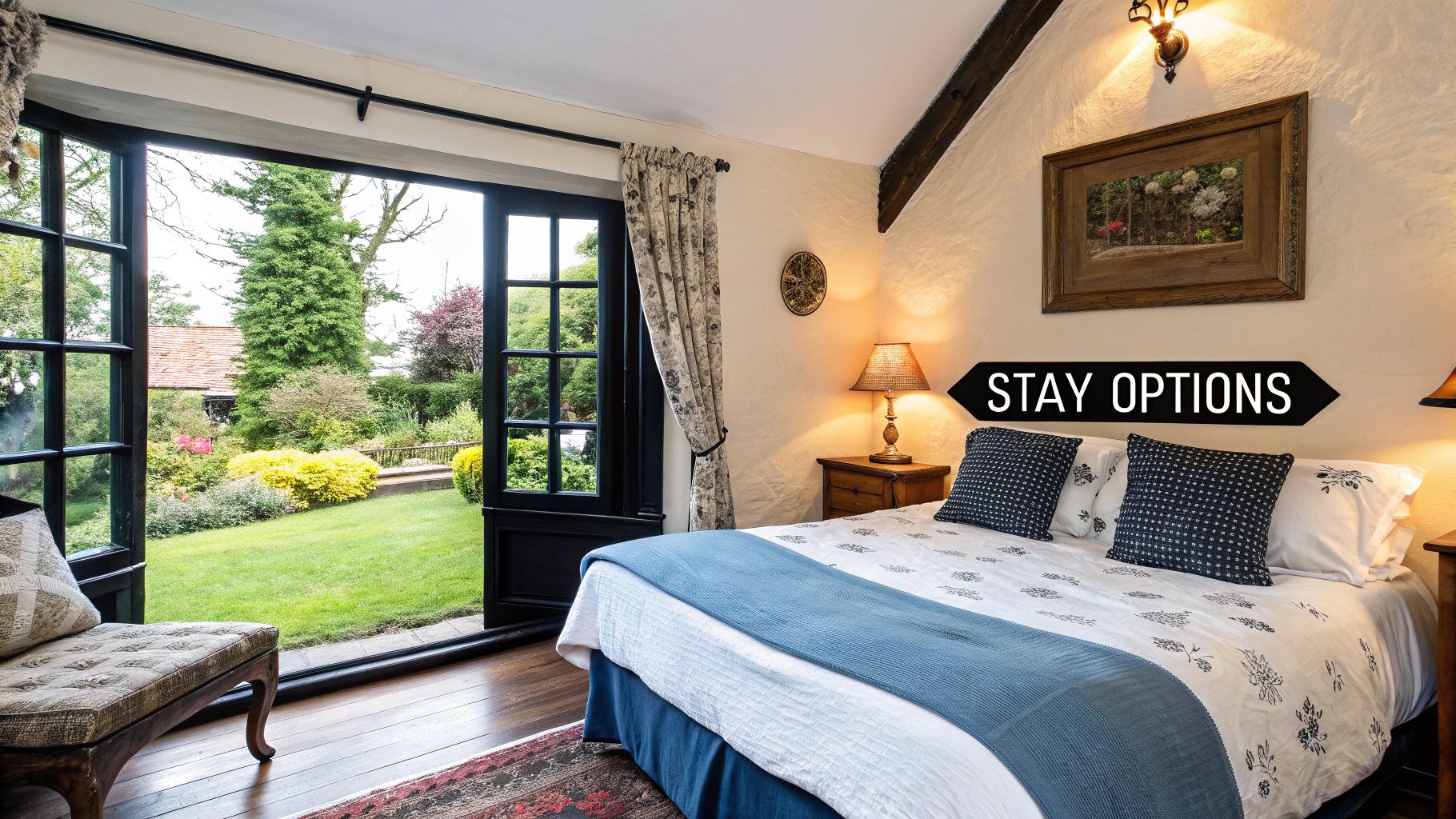
In the countryside, consider exploring unique lodgings. A stay in a château, while an extravagance, can be an unforgettable experience, immersing you in history and French elegance. Alternatively, boutique hotels in smaller villages offer charm and personalized service. These smaller establishments often provide unique perspectives on local culture that larger hotels might miss. When planning your trip, understanding transportation is key.
Navigating Booking Platforms and Classifications
When booking accommodations, use reputable online platforms like Booking.com to compare prices, read reviews, and view photos. Pay attention to the French accommodation classifications, often indicated by stars. These ratings reflect the level of services and amenities offered. However, remember that a higher star rating doesn’t always guarantee a better experience. A charming two-star hotel in a quaint village might offer a more authentic and enjoyable stay than a standard four-star hotel in a bustling city.
Amenities and Splurges: What Truly Matters
Consider what amenities are essential for you. Free Wi-Fi is a must-have for most travelers these days. Air conditioning can be essential during the summer months, especially in the south of France. Breakfast included can save you time and money. Think about which splurges are worthwhile. A room with a view might enrich your experience in a beautiful location. A hotel with a pool might be a welcome retreat after a busy day of exploring.
Securing the Best Rates and Understanding Cancellation Policies
Booking in advance, particularly during the peak season, is a good strategy for finding the best rates. Make sure you understand the cancellation policy before confirming your reservation. Opt for flexible cancellation options, especially if your travel plans might change. This will protect you if unforeseen events disrupt your trip.
Creating A Varied Accommodation Journey
For a truly immersive two-week experience in France, diversify your accommodations. Combine city stays with countryside retreats. Maybe try an apartment rental in Paris for a week, followed by a charming guesthouse in the Loire Valley. This variety adds depth to your trip, exposing you to different facets of French life.
Location, Location, Location
Think strategically about where your accommodations are situated. In a city, a central location gives you easy access to transportation and attractions. In the countryside, consider the proximity to the places you want to see. If you’re planning to drive, ensure parking is available or easily accessible.
Reading Between the Lines: Subtle Differences
When choosing between seemingly similar options, read reviews carefully. Pay attention to the details that can significantly impact your stay. One hotel might have exceptionally helpful staff. Another might offer a quieter ambiance or more comfortable beds. These seemingly small distinctions can significantly impact your overall enjoyment and comfort.
Final words
By carefully considering your needs, budget, and travel style, you can choose accommodations that enhance your two weeks in France. Strategic planning ensures that your chosen lodging elevates your journey, creating lasting memories and contributing to a truly unforgettable French adventure.

Hi, I’m Lily, a travel writer based in the UK who loves exploring everything from familiar hometown gems to the varied landscapes across Europe. Whether I’m strolling through charming coastal villages or hopping trains across the continent, I’m always on the lookout for authentic, unexpected stories and experiences.
My writing style is simple and relatable—think no-fuss guides to finding the best pasty in Cornwall or stress-free tips for getting around European cities. If there’s a great view, tasty food, or a bit of history involved, chances are I’m already scribbling notes about it.