
Last Updated on
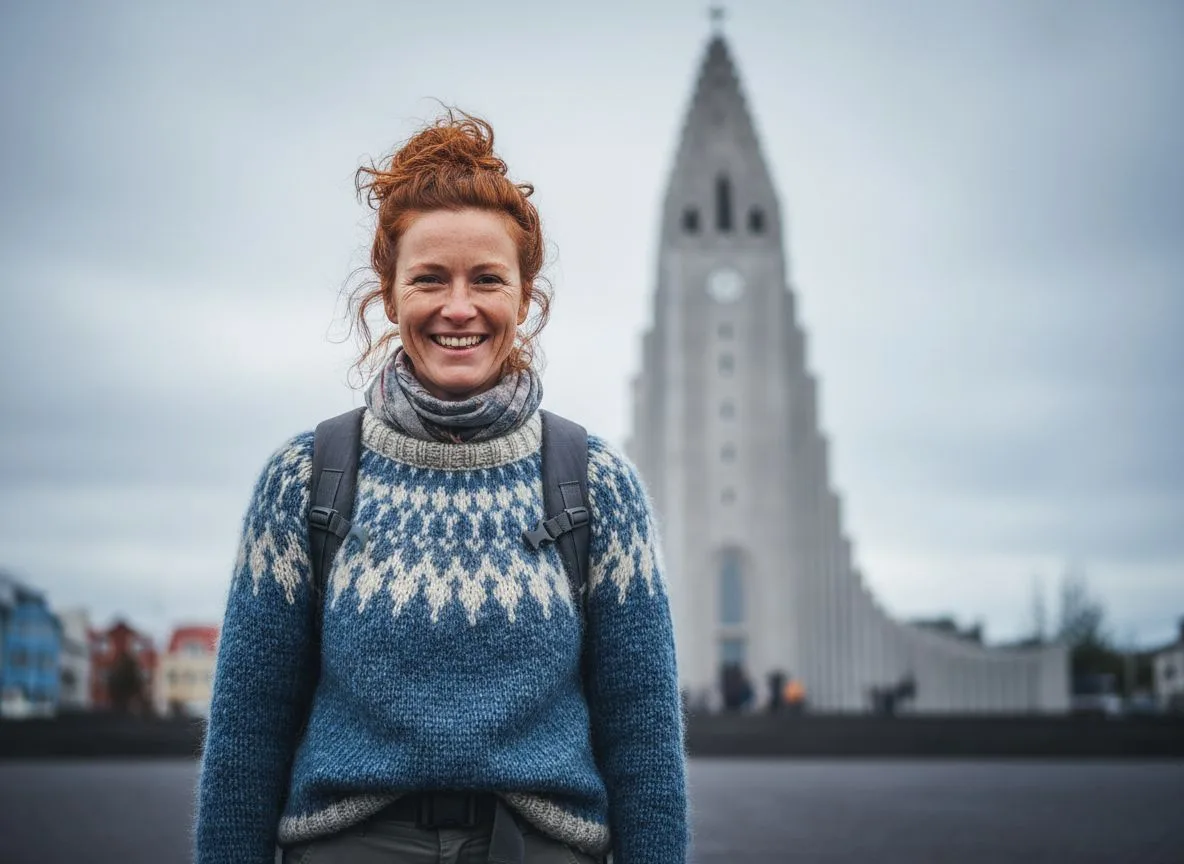
Reykjavik is a city where adventure feels personal. The capital of Iceland is compact, walkable, and full of surprises—perfect for those wanting to explore alone. Add the magic of solo road trips and the hunt for the Northern Lights, and you have a travel experience that’s both safe and unforgettable. Traveling by yourself in Reykjavik and its surroundings lets you move at your own pace, chase your interests, and sometimes, catch the sky lighting up in green and purple.
But how do you make the most of a solo journey here? What makes Reykjavik and its scenic routes ideal for one? And how do you boost your chances of seeing the Aurora Borealis while staying safe and inspired? This guide covers all you need to know, from tips for solo road trips to the best places and times to see the Northern Lights—plus smart advice and answers to the questions you didn’t know you had.
Why Reykjavik Is A Solo Traveler’s Haven
Reykjavik stands out among world capitals for its small size, friendly people, and easygoing atmosphere. You don’t need to worry about blending in or feeling lost. English is widely spoken, so communication is rarely a barrier. The city is known for its low crime rates—violent crime is almost unheard of and petty theft is rare.
You can walk around at night with a sense of comfort that’s hard to find in most other capitals.
For solo travelers, flexibility is everything. Reykjavik offers plenty of options: you can join group tours if you want company, or rent a car and set your own schedule. Cafés, bookstores, and geothermal pools are welcoming to people alone. Locals are used to visitors, so you rarely feel out of place dining alone or asking for help.
Local tip: Solo travelers often find Reykjavik’s hostels and guesthouses especially social. Common rooms are great for meeting others planning similar adventures.
Preparing For Your Solo Road Trip
Before you set off on the open road, some preparation goes a long way. Iceland’s weather can change quickly. Roads outside Reykjavik vary from smooth highways to gravel tracks. Here’s how to get ready:
Renting A Car In Reykjavik
Most solo travelers rent a small car. Manual transmissions are common, but automatics are available if you book ahead. Rental agencies at Keflavik Airport and in the city center offer options from compact cars to 4WD vehicles. For most of the year, a small car is fine for the main roads, but in winter or on mountain roads, a 4WD is safer.
Required documents:
- Valid driver’s license (in English or with an official translation)
- Credit card (for deposit)
- Minimum age (usually 20-23 years, depending on the company)
Insurance And Safety
Iceland’s roads are safe, but conditions can be tricky. Always take sand and ash protection and gravel protection insurance—they’re worth the extra cost. Roadside assistance is often included, but check before you sign.
Emergency number: 112 (for police, fire, ambulance)
Packing Essentials
- Warm layers: Weather changes fast. Bring waterproof and windproof jackets, hats, and gloves.
- Food and water: Many gas stations double as snack stops, but stock up before leaving the city.
- Phone with offline maps: Cellular coverage is good, but not perfect everywhere.
- Headlamp or flashlight: Winter days are short.
Insight: Icelandic law requires headlights on at all times, even in daylight.
Top Solo Road Trip Routes From Reykjavik
The beauty of Reykjavik is how quickly the city gives way to open landscapes. You don’t need weeks or a huge budget—some of the best sights are just a few hours away. Here are three road trips perfect for solo travelers:
1. The Golden Circle
This classic route is about 190 miles (300 km) and can be done in a day. It includes three of Iceland’s most famous sights:
- Þingvellir National Park: Walk between two tectonic plates.
- Geysir Geothermal Area: Watch Strokkur shoot hot water 100 feet into the air.
- Gullfoss Waterfall: Feel the spray of one of Europe’s most powerful falls.
Why it’s good solo: Well-marked roads, frequent tour buses (you’re never totally alone), and many places to pull over safely.
2. The South Coast To Vik
Head east on Route 1 and discover:
- Seljalandsfoss and Skogafoss: Two iconic waterfalls.
- Black Sand Beach at Reynisfjara: Mysterious basalt columns and roaring waves.
- Vik: A small, friendly village.
Round trip is about 350 miles (560 km). Stay overnight in Vik for a more relaxed pace.
3. Snaefellsnes Peninsula
Known as “Iceland in Miniature,” this peninsula packs glaciers, lava fields, fishing villages, and the iconic Kirkjufell mountain into a manageable loop (about 300 miles/480 km round trip).
Solo-friendly: Less crowded than the Golden Circle, but plenty of services along the way. Small towns like Stykkishólmur are safe and welcoming.
Road Trip Comparison
To help you decide, compare the main features of each route:
| Route | Distance (Round Trip) | Driving Time | Main Highlights | Best For |
|---|---|---|---|---|
| Golden Circle | 190 miles/300 km | 5–6 hours | Þingvellir, Geysir, Gullfoss | First-timers, short trips |
| South Coast to Vik | 350 miles/560 km | 8–10 hours | Waterfalls, Black Sand Beach, Vik | Nature, photography |
| Snaefellsnes Peninsula | 300 miles/480 km | 7–8 hours | Kirkjufell, lava fields, fishing towns | Variety, fewer crowds |
Practical tip: In winter, always check road.is for real-time road closures and weather warnings before you leave.
The Northern Lights: A Dream For Solo Travelers
The Northern Lights, or Aurora Borealis, are a big reason people visit Iceland between September and April. Watching the sky dance in shades of green, pink, or purple is often a solo traveler’s highlight. But seeing them isn’t always easy—cloud cover, city lights, and weather all play a part.
Why Reykjavik Is A Good Base
You can see the Northern Lights from Reykjavik itself, especially on clear nights with high solar activity. But light pollution makes the show less intense. The real magic happens just outside the city, where the sky is darker and the view is unobstructed.
Where to go near Reykjavik:
- Grótta Lighthouse: On the edge of town, popular with locals.
- Heiðmörk Nature Reserve: Darker, less crowded.
- Thingvellir National Park: 45-minute drive, wide open skies.
How To Maximize Your Chances
1. Timing: September to April is the Northern Lights season. The best months are October to March, when nights are longest and darkest.
2. Weather: Clear skies are essential. Use the local aurora forecast (vedur.is) to check cloud cover and solar activity.
3. Avoid city lights: Drive at least 20–30 minutes from Reykjavik for better darkness.
4. Be patient: The lights can appear for a few minutes or hours—or not at all. Bring a thermos, dress warmly, and enjoy the stars while you wait.
Even on a night with “low” aurora forecasts, you might still see faint lights. Your eyes adjust to darkness after 20-30 minutes, making weak auroras visible to you (but not your camera). Many beginners give up too quickly.
Joining A Northern Lights Tour (even If You’re Solo)
Many solo travelers join a tour for their first Northern Lights hunt. Tour operators use expert guides, check weather data, and know where to go. If you don’t want to drive alone at night, this is a safe, social option.
Tours often let you rebook for free if you don’t see the lights.
Tip: Always ask if the tour is “guaranteed”—some companies offer a second chance for free if conditions aren’t right.
Solo Northern Lights Trip: What To Bring
- Tripod: For long-exposure photos.
- Extra camera batteries: Cold drains batteries fast.
- Blanket or sleeping bag: Waiting outside gets cold.
- Snacks and hot drinks: No shops in the middle of nowhere.
Where To Stay In Reykjavik As A Solo Traveler
Finding the right place to stay shapes your entire solo experience. Reykjavik offers a wide range, from lively hostels to quiet guesthouses and stylish hotels.
Hostels
Hostels are the social heart of solo travel. Reykjavik’s best hostels aren’t just about cheap beds—they’re about atmosphere, events, and helpful staff. Many hostels organize group dinners, free city walks, or even game nights.
Popular choices:
- KEX Hostel: Central, quirky, and has a lively bar.
- Loft Hostel: Rooftop terrace, regular events, eco-friendly.
Guesthouses And Small Hotels
If you prefer quiet comfort, guesthouses offer private rooms with a local touch. Many include homemade breakfast and staff who are happy to help you plan your day.
Examples:
- Guesthouse Galtafell: Cozy, in a historic building.
- Reykjavik Downtown Hotel: Small, central, and friendly.
Unique Stays
Want something different? Try a capsule hotel (like Galaxy Pod Hostel) or book a stay in a small cabin just outside town—great for Northern Lights watching.
Reykjavik’s hostels often have female-only dorms and private rooms, which can make solo travelers feel safer and more comfortable. Booking a bed in advance is essential from June to August.
Eating Alone In Reykjavik
Dining solo in Reykjavik is normal. Many restaurants and cafés are set up with bar seating, communal tables, or small nooks perfect for one. Icelanders are used to seeing solo diners, so you won’t get odd looks.
Best Food Experiences For Solo Travelers
- Hot dog stands: Try Bæjarins Beztu Pylsur, a favorite since 1937. No need to sit—eat while you walk.
- Cafés: Cozy spots like Reykjavik Roasters or Mokka Kaffi are good for reading, people-watching, and trying Icelandic pastries.
- Seafood bistros: Small plates and fresh catch are standard. Order “plokkfiskur” (fish stew) if you want something classic.
Tip: Many casual places have daily soup and bread deals—affordable, filling, and ideal for lunch.
Vegetarian and vegan travelers: Reykjavik is very vegetarian-friendly, with many places offering plant-based options.
Shopping For Groceries
Solo travelers often save money by picking up groceries. Iceland’s supermarkets (like Bonus and Kronan) have everything from fresh produce to ready-made meals. Many hostels and guesthouses have kitchens for self-catering.
Reykjavik’s Social Scene: Meeting People (if You Want)
Solo travel doesn’t have to mean being alone the whole time. Reykjavik is a small city with a big social heart. Here’s how to connect with locals and other travelers:
Geothermal Pools
Public pools like Laugardalslaug are where Icelanders relax and chat. Sitting in a hot tub, you’ll find people willing to talk—just follow pool etiquette (shower before entering, swimwear required).
City Walking Tours
Free or low-cost walking tours leave from the center daily. Guides are engaging, and other solo travelers often join. It’s a fun way to get oriented and make friends.
Nightlife
Reykjavik’s nightlife is legendary. Bars and clubs fill up late (after 11 p. m. ). The city is safe, and going out alone is common. Look for bars with live music or open mic nights—easy places to strike up a conversation.
Insight: Alcohol is expensive in Iceland, but happy hours (often 5–8 p.m.) offer big discounts. Download the Appy Hour app to find deals.
Tours And Day Trips
If you want company, join a tour—ice cave walks, glacier hikes, and even snorkeling trips run year-round. Solo travelers can often book last-minute and meet people with similar interests.
Navigating Reykjavik And Beyond
Getting around Reykjavik and the surrounding region is simple and safe. Here’s what you need to know:
In The City
- Walking: Most attractions are in central Reykjavik and easy to reach on foot.
- City buses: The Strætó system covers the city and suburbs. Buy tickets via the Klapp app or at bus stations.
- Taxis: Expensive, but safe and reliable.
Outside The City
- Driving: The best way for solo travelers to explore the countryside. Roads are well marked; traffic is light.
- Tours: Many companies pick up from your accommodation or central locations.
- Carpooling: Some travelers use sites like samferda.net to share rides, but always check reviews and stay safe.
Money And Costs
Iceland is not cheap. Expect to pay:
- Coffee: $3–$5
- Hostel bed: $30–$60
- Simple restaurant meal: $15–$30
- Gasoline: $8–$9 per gallon
Card payments: Credit and debit cards are accepted everywhere, even for small amounts.
Staying Safe As A Solo Traveler
Iceland is one of the world’s safest countries for solo travelers. Still, it pays to be prepared, especially when heading out of the city.
Main Safety Tips
- Weather: Changes quickly. Always check forecasts at vedur.is before road trips.
- Roads: Some rural roads are gravel or icy. Drive slower than you would at home.
- Wildlife: No dangerous animals, but beware of sheep on the road in summer.
- Emergencies: 112 is the emergency number. The SafeTravel app lets you leave your travel plan with local authorities.
The wind in Iceland can be dangerously strong. Hold your car doors tightly when opening—many tourists damage rental cars this way.
What To Do In Reykjavik When Not Road-tripping
Solo travel in Reykjavik isn’t just about escaping the city. There’s plenty to do right in town, even if you’re by yourself:
- Hallgrimskirkja Church: Climb the tower for city views.
- Harpa Concert Hall: Stunning architecture, free exhibitions.
- Sun Voyager Sculpture: Iconic photo spot at sunset.
- National Museum: Learn about Iceland’s history (free lockers and café inside).
Art and culture: Reykjavik has a lively arts scene, with galleries, street art, and frequent festivals. Many museums offer audio guides in English.
Shopping: Laugavegur is the main shopping street, full of local design shops and bookstores.
Geothermal pools: Not just for swimming—many have steam rooms, slides, and saunas.
The Best Time For Solo Travel In Reykjavik
Every season has its charm, but your experience will be different depending on when you visit.
Summer (june–august)
- Daylight: Up to 24 hours of sun. No Northern Lights, but perfect for road trips.
- Weather: Mild (50–60°F/10–15°C), but always bring a jacket.
- Festivals: Music, arts, and food festivals fill the city.
Winter (october–march)
- Daylight: Only 4–6 hours in December.
- Northern Lights: Peak viewing season.
- Roads: Some rural roads close; check conditions daily.
Spring And Fall
- Shoulder seasons: Fewer tourists, lower prices, and good chance of seeing the Northern Lights.
September and March are “secret seasons” with fewer crowds, active auroras, and (usually) easier driving conditions.
Weather And Light By Month
| Month | Daylight Hours | Average High (°F/°C) | Chance of Northern Lights |
|---|---|---|---|
| January | 4–7 | 36/2 | High |
| March | 10–13 | 37/3 | High |
| June | 21–24 | 55/13 | None |
| September | 13–15 | 50/10 | Medium |
| December | 4–5 | 35/1.5 | High |
Responsible Solo Travel In Iceland
Iceland’s landscapes are beautiful but fragile. Solo travelers can help keep it that way:
- Stay on marked trails: Protect moss and tundra.
- Take nothing but photos: Leave stones, plants, and artifacts.
- Respect hot springs: Not all are safe or open to bathing. Check signs.
- Drive carefully: Don’t off-road—it’s illegal and damages the land.
Useful Resources For Solo Travelers
- SafeTravel.is: Leave your travel plan and get safety tips.
- Road.is: Real-time road and weather updates.
- Vedur.is: Weather and aurora forecasts.
- Reykjavik’s official tourism page: Local events and guides.
- Lonely Planet: Community forums for solo travel stories.
For more about Iceland’s history and culture, visit Wikipedia.
Frequently Asked Questions
Is Iceland Safe For Solo Travelers?
Yes, Iceland is one of the world’s safest countries for solo travelers. Violent crime is extremely rare, and people are helpful. The main risks are weather and road conditions, not crime.
Can I See The Northern Lights From Reykjavik?
You can sometimes see the Northern Lights from Reykjavik, but light pollution makes them fainter. For the best view, drive 20–30 minutes out of the city to a dark spot like Grótta Lighthouse or Thingvellir National Park.
Do I Need A 4wd Vehicle For Road Trips From Reykjavik?
A regular car is fine for main roads and the Golden Circle most of the year. In winter, or if you plan to drive mountain roads (F-roads), a 4WD is safer and sometimes required.
What’s The Best Time Of Year To Visit Reykjavik For Solo Travel?
It depends on your interests. For road trips and long days, visit in summer (June–August). For the Northern Lights and cozy city life, come in winter (October–March). September and March offer a mix of both with fewer crowds.
How Can I Meet People As A Solo Traveler In Reykjavik?
Stay in hostels, join walking tours or group day trips, relax in geothermal pools, or check out local bars and cafés. Icelanders are friendly, and other solo travelers are easy to find.
Reykjavik is a city made for solo adventure. With open roads, warm hospitality, and the promise of the Northern Lights, traveling alone here is not just safe—it’s liberating. Whether you’re watching waterfalls, soaking in hot pools, or standing under a sky alive with color, your Iceland story will be uniquely your own.

Hi, I’m Jenny, a solo travel writer based in the UK with nearly a decade of independent travel under my belt. I took my first solo trip at 24, a slightly terrifying two weeks in Vietnam, and I’ve been hooked ever since.
Over the past 9 years I’ve completed 60+ solo trips across Europe, Southeast Asia, Central America and Japan, from weekend city breaks in Prague to three-week overland journeys through the Balkans. I speak conversational French and basic Spanish, which has opened more doors (and more dinner tables) than any guidebook ever could.
My writing focuses on the practical stuff solo female travellers actually need: safety, navigation, budget-stretching, and finding genuine connection on the road. I don’t do fluff. If I haven’t personally figured out whether a city is safe to walk home alone at midnight, I won’t pretend I have.
When I’m not writing I’m usually planning the next one, or eating something I can’t pronounce.