
Last Updated on
Have you ever visited a place that seemed a little too crowded or overwhelmed by tourists? What if I told you there are destinations around the world where locals are actually asking visitors to leave?
It might sound strange, but these places are taking serious steps to protect their culture, environment, and way of life. If you care about traveling responsibly and want to understand why some spots don’t want more tourists, keep reading. This article will reveal surprising stories and important lessons that could change the way you think about your next trip.
Tourist Overload Challenges
Many popular travel spots face serious problems due to too many visitors. This overload causes damage to nature, local services, and the culture of the places. Some cities and islands want fewer tourists to protect their home and keep life normal for residents. The challenges caused by too many tourists are big and need careful attention.
Environmental Impact
Tourist overload harms the environment in many ways. Large crowds increase waste and pollution. Fragile ecosystems suffer from constant foot traffic and litter. Natural habitats can be destroyed by visitors seeking adventure or selfies. Here are some key environmental problems caused by too many tourists:
- Trash and waste buildup: Overflowing bins, plastic waste, and food scraps damage nature.
- Water pollution: Chemicals from sunscreen and boats pollute lakes and seas.
- Soil erosion: Trails and green spaces wear down quickly under heavy use.
- Wildlife disturbance: Animals lose homes or change behavior due to noise and crowds.
The table below shows some examples of environmental damage from tourist hotspots:
| Tourist Site | Environmental Issue | Effect |
|---|---|---|
| Maya Bay, Thailand | Coral reef damage | Coral bleaching and reef destruction |
| Venice, Italy | Water pollution | Canals suffer from waste and boat fuel |
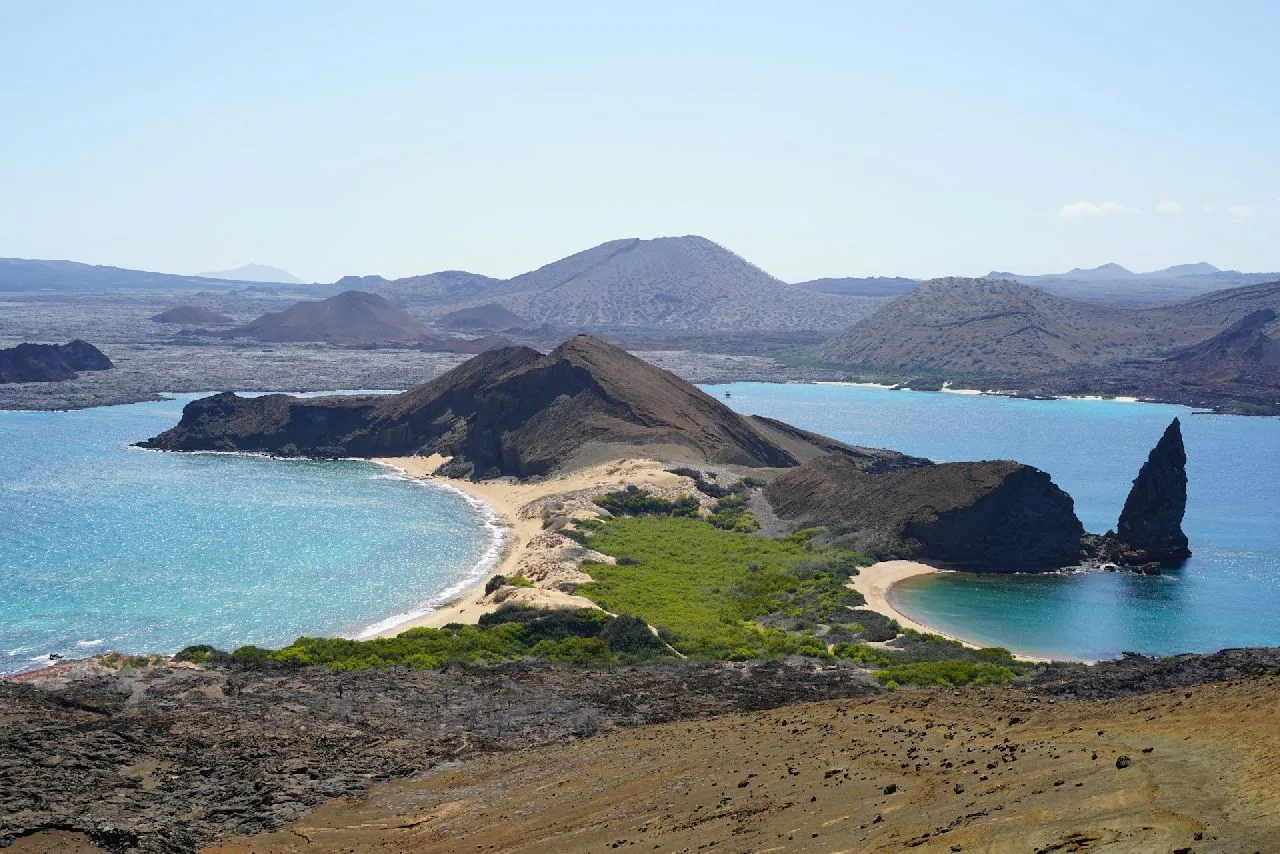
| Galápagos Islands | Wildlife disturbance | Native species threatened by human presence |
Places with fragile environments ask tourists to limit visits or follow strict rules. These steps help nature recover and stay healthy for future visitors.
Strain On Local Resources
Too many tourists put heavy pressure on local resources. Communities struggle to provide water, electricity, and waste services. This overload raises costs and lowers the quality of life for residents. Here are the main ways tourism strains local resources:
- Water shortages: Tourist hotels and pools use large amounts of water.
- Energy demand: More electricity is needed for lighting, air conditioning, and transport.
- Waste management: Garbage piles up faster than local systems can handle.
- Public transport overload: Buses and trains become crowded and less reliable.
This table compares resource use in a small town with and without heavy tourism:
| Resource | Normal Use | Tourist Season Use |
|---|---|---|
| Water (liters/day) | 50,000 | 120,000 |
| Electricity (kWh/day) | 30,000 | 80,000 |
| Waste (kg/day) | 500 | 1,500 |
Residents often face higher bills and shortages during peak seasons. Local governments try to improve services but limits exist. Reducing tourist numbers helps balance resource use and resident needs.
Cultural Disruption
Tourism can change local culture in negative ways. Crowds of visitors sometimes disrespect traditions and customs. Local people may feel their way of life is lost or turned into a show. Key cultural problems include:
- Loss of traditions: Younger generations may abandon customs for tourist preferences.
- Commercialization: Local crafts and festivals become tourist attractions rather than cultural expressions.
- Language shift: Locals may use foreign languages more to serve tourists.
- Community displacement: Rising property prices push residents out of historic neighborhoods.
Many places actively try to protect their culture by:
- Limiting tourist numbers in historic districts.
- Encouraging respectful behavior through education.
- Supporting local businesses that preserve traditions.
- Promoting cultural events for residents first.
Keeping a culture alive means balancing tourism with respect for local life. This challenge drives many places to ask tourists to visit less often or differently.
Destinations Pushing Visitors Away
Many popular travel spots face problems caused by too many tourists. These places want visitors, but too many can harm their environment, culture, and daily life. Some destinations now ask tourists to come less often or follow strict rules. This helps protect their beauty and heritage for future visitors and locals. Here are a few places actively pushing visitors away to keep balance.
Venice’s Tourist Limits
Venice, Italy, is famous for its canals and historic charm. Millions visit each year, causing crowding and damage. The city struggles with overtourism, which affects local life and the fragile buildings. To fight this, Venice has started limiting tourist numbers.
Here are some key steps Venice has taken:
- Entry Fees: Tourists must pay a fee to enter the city on busy days.
- Visitor Caps: Limits on how many people can enter at once, especially cruise ship passengers.
- Regulated Tour Groups: Large groups face restrictions to reduce noise and congestion.
These changes aim to reduce daily visitors from over 100,000 to a more manageable number. Venice hopes this balance will save its historic sites and improve life for residents.
| Measure | Purpose | Effect |
|---|---|---|
| Entry Fee | Reduce casual day-trippers | Lowered visitor spikes on weekends |
| Visitor Caps | Control total daily visitors | Less crowded streets and canals |
| Tour Group Limits | Manage group sizes | Reduced noise and congestion |
Machu Picchu Entry Caps
Machu Picchu in Peru is one of the world’s most famous ancient sites. Its popularity brings thousands daily, which risks damaging the ruins and the surrounding nature. The government now limits the number of visitors to protect this treasure.
Important rules include:
- Daily Visitor Limit: Only 2,500 tourists allowed per day.
- Timed Entry Slots: Visitors enter in groups during specific time windows.
- Guided Tours Required: Tourists must join official guides to control movement and protect sites.
These caps help reduce wear on the stone structures and lower environmental impact. Visitors enjoy a quieter, safer experience. The system also spreads visits across the day, avoiding large crowds at once.
| Rule | Details | Benefits |
|---|---|---|
| Daily Limit | Max 2,500 visitors | Protects ruins from damage |
| Timed Entry | Groups enter at set times | Prevents crowding |
| Guided Tours | Mandatory guide presence | Controls visitor behavior |
Bali’s Sustainable Tourism Efforts
Bali, Indonesia, faces challenges from too many tourists affecting its environment and culture. The island government promotes sustainable tourism to protect nature and local traditions. They encourage visitors to travel responsibly and support local communities.
Key sustainable efforts in Bali include:
- Tourist Education: Programs teach visitors about local customs and environmental care.
- Waste Reduction: Campaigns reduce plastic use and promote recycling.
- Limiting New Developments: Controls on building hotels and resorts to protect natural areas.
- Community-Based Tourism: Supporting small local businesses and cultural experiences.
These efforts slow tourist growth and help Bali remain a beautiful, vibrant place. Tourists are invited to respect the island’s limits and contribute positively during their stay.
| Effort | Goal | Outcome |
|---|---|---|
| Tourist Education | Raise awareness | Better visitor behavior |
| Waste Reduction | Protect environment | Less pollution |
| Development Limits | Preserve nature | Protected landscapes |
| Community Tourism | Support locals | Stronger local economy |
Methods To Deter Tourists
Some places want fewer tourists to protect their environment and culture. These locations face problems like overcrowding, pollution, and damage to local life. To reduce visitor numbers, they use special methods. These methods to deter tourists help control how many people come and keep the area safe and enjoyable for locals and visitors alike.
Entry Restrictions And Permits
Many places require tourists to get special permits before entering. This system controls the number of visitors and ensures the area does not become too crowded. Entry restrictions can include:
- Time limits on visits
- Only allowing certain groups or tour companies
- Restricting access during sensitive seasons
Some locations use a permit lottery or booking system to manage demand. For example, a popular island might only give out 100 permits each day. This ensures the environment stays healthy.
| Place | Type of Restriction | Effect |
|---|---|---|
| Machu Picchu, Peru | Daily permits required | Limits crowd size and protects ruins |
| Galápagos Islands | Visitor permits and guided tours only | Preserves wildlife and habitat |
| Antarctica | Permit and strict guidelines | Protects fragile ecosystem |
Entry restrictions and permits help balance tourism with preservation. They make sure visitors respect the place and its rules.
Visitor Quotas
Visitor quotas set a limit on how many tourists can visit a place in a certain time. This method stops overcrowding and reduces strain on local resources. Quotas may apply daily, weekly, or yearly.
Quotas work well in fragile environments or small towns with limited facilities. They help keep the area peaceful and prevent damage to nature or historic sites.
- Quota limits can be enforced at entry points or online
- Visitors may need to book in advance
- Local businesses often adjust to these limits
The table below shows examples of visitor quotas in famous places:
| Location | Quota Type | Number Allowed |
|---|---|---|
| Yellowstone National Park | Daily vehicle permits | Limited number of cars per day |
| Bhutan | Daily tourist quota | About 250 tourists per day |
| Venice, Italy | Visitor entry cap (planned) | Limits to reduce crowding |
Visitor quotas make tourism more manageable. They keep places safe and enjoyable for everyone.
Promoting Alternative Locations
Some places try to reduce tourists by promoting other nearby sites. This method spreads visitors across a wider area. It helps lessen pressure on popular spots.
Governments and tourism boards create campaigns to highlight hidden gems or less busy towns. This way, tourists find new experiences without harming overcrowded areas.
- Advertising lesser-known destinations
- Creating new travel routes and tours
- Offering discounts or incentives for visiting alternative sites
For example, instead of focusing on one famous beach, a country may promote several smaller beaches. This reduces crowding and protects nature.
Here are benefits of promoting alternative locations:
- Reduces crowding at main tourist spots
- Boosts local economies in smaller towns
- Preserves natural and cultural sites
Promoting alternative locations creates a better balance in tourism. It spreads visitors out and protects popular places from damage.
Local Community Perspectives
Many popular travel spots now ask tourists to leave or limit visits. Local communities face challenges from too many visitors. Their views matter most in these places. Understanding what residents think helps explain why some towns act this way.
Resident Complaints
Residents often feel overwhelmed by the large number of tourists. Crowded streets and noisy areas reduce their quality of life. Daily routines get disrupted. Locals mention issues like:
- Traffic jams making it hard to get around.
- Noise pollution from late-night parties or busy spots.
- Trash buildup in public places.
- High prices for food and housing due to demand from tourists.
- Loss of privacy in once quiet neighborhoods.
Many residents say their towns feel less like home. They want more respect from visitors. Sometimes, locals ask for strict rules to protect their daily life.
| Complaint | Effect on Residents |
|---|---|
| Traffic | Long delays, difficulty commuting |
| Noise | Disturbed sleep and stress |
| Trash | Dirty streets and parks |
| Price Hikes | Harder to afford housing and food |
Economic Trade-offs
Tourism brings money but also costs. Some locals see benefits like new jobs and more shops. Others feel the price is too high. The economy changes in many ways:
- Job creation in hotels, restaurants, and shops.
- Rising living costs pushing locals out.
- Seasonal work causing income instability.
- Local businesses replaced by tourist-focused stores.
Some residents accept these trade-offs. They want jobs and better infrastructure. Others prefer fewer tourists to keep life simple. The balance between money and comfort is hard.
| Economic Benefit | Economic Cost |
|---|---|
| More jobs | Higher housing prices |
| Improved roads | Seasonal job instability |
| Increased sales | Loss of local shops |
Grassroots Movements
Many locals start groups to protect their towns. These grassroots movements aim to reduce tourism impact. They use several strategies:
- Petitions asking for visitor limits.
- Community meetings to discuss problems and solutions.
- Social media campaigns to raise awareness.
- Local laws to control tourist activities.
These efforts show strong local voices. Residents want tourists to respect the area. Some places have seen success in reducing overcrowding. These movements highlight the need to balance tourism and community well-being.
Global Impact On Travel Trends
Many popular travel spots now ask tourists to leave or limit visits. This shift affects how people plan their trips worldwide. Tourist overload leads to damage to nature, local cultures, and daily life. As some places push visitors away, new travel trends take shape. These trends focus on more respectful, sustainable ways to explore the world.
Shift To Eco-friendly Tourism
Eco-friendly tourism grows as travelers seek to reduce harm. Tourists want to protect nature and support local communities. This trend changes how people choose destinations and activities.
Key features of eco-friendly tourism include:
- Staying in green-certified hotels
- Using public transport or bikes
- Supporting local businesses and artisans
- Participating in conservation projects
- Respecting wildlife and natural habitats
Places that limit tourists often encourage eco-friendly visits. This approach helps protect the environment and local culture. Tourists learn to appreciate nature without causing damage.
| Eco-Friendly Practice | Benefit |
|---|---|
| Using renewable energy hotels | Reduces carbon footprint |
| Walking or biking tours | Less air pollution |
| Buying local products | Supports local economy |
Overall, eco-friendly tourism helps travelers enjoy nature responsibly. It builds respect for the places visited and their people.
Rise Of Off-season Travel
Tourists now choose off-season travel to avoid crowds and high costs. This trend reduces pressure on popular sites during peak times. It also spreads visitor spending more evenly throughout the year.
Benefits of off-season travel include:
- Lower prices for flights and hotels
- More relaxed and quiet experiences
- Better chances to see local life without crowds
- Less damage to nature from overuse
Destinations that ask tourists to leave during busy months often promote off-season visits. This helps protect the environment and local culture.
Example of popular destinations and their off-seasons:
| Destination | Peak Season | Off-Season |
|---|---|---|
| Bali, Indonesia | July – August | January – March |
| Venice, Italy | May – September | November – February |
| Machu Picchu, Peru | June – August | December – February |
Travelers find off-season trips more peaceful and affordable. This trend helps balance tourism’s impact all year.
Growth In Lesser-known Destinations
Tourists explore lesser-known places to avoid overcrowding. This trend spreads travel benefits to new areas. It also helps preserve famous sites.
Reasons travelers choose less popular destinations:
- Desire for unique, authentic experiences
- Cheaper prices and fewer tourists
- Support for smaller communities
- Less environmental impact
Local governments promote these hidden gems to reduce visitor numbers at crowded spots. New destinations gain attention through social media and word of mouth.
Comparison of popular vs lesser-known destinations:
| Aspect | Popular Destinations | Lesser-Known Destinations |
|---|---|---|
| Visitor Numbers | High, often overcrowded | Lower, more relaxed |
| Cost | Higher prices | More affordable |
| Experience | Touristy, busy | Authentic, peaceful |
| Environmental Impact | Greater pressure | Less damage |
Exploring lesser-known places offers fresh travel stories. It helps keep popular destinations safe for the future.
Frequently Asked Questions
Why Are Some Places Asking Tourists To Leave?
Some places face over-tourism, which harms the environment and local life. They ask tourists to leave to protect nature, reduce pollution, and preserve cultural heritage. Managing tourist numbers helps maintain a balance between visitors and residents’ quality of life.
Which Destinations Actively Discourage Tourism?
Destinations like Venice, Boracay, and Machu Picchu limit tourist numbers or restrict visits. They implement policies to prevent overcrowding and environmental damage. These measures ensure sustainable tourism and protect fragile ecosystems and historic sites.
How Do Places Enforce Tourist Restrictions?
Places use permits, visitor caps, and timed entry systems. Authorities may close certain areas during peak seasons. These rules help control crowds, reduce wear and tear, and ensure a better experience for both tourists and locals.
What Are The Effects Of Tourists Leaving These Places?
Reduced tourism can improve local ecosystems and reduce pollution. However, it may impact local businesses dependent on visitors. Sustainable tourism strategies aim to balance economic benefits with environmental and cultural preservation.
Conclusion
Some places want fewer tourists to protect their land and culture. Crowds can cause damage and disturb local life. These areas ask visitors to think before they travel. Respecting their wishes helps keep these places special. Choosing less busy spots can make travel more peaceful.
Everyone benefits when we travel with care and kindness. Remember, travel is about enjoying, not just visiting. Be mindful and help keep these places beautiful for years.

Hi, I’m Lily, a travel writer based in the UK who loves exploring everything from familiar hometown gems to the varied landscapes across Europe. Whether I’m strolling through charming coastal villages or hopping trains across the continent, I’m always on the lookout for authentic, unexpected stories and experiences.
My writing style is simple and relatable—think no-fuss guides to finding the best pasty in Cornwall or stress-free tips for getting around European cities. If there’s a great view, tasty food, or a bit of history involved, chances are I’m already scribbling notes about it.