
Last Updated on
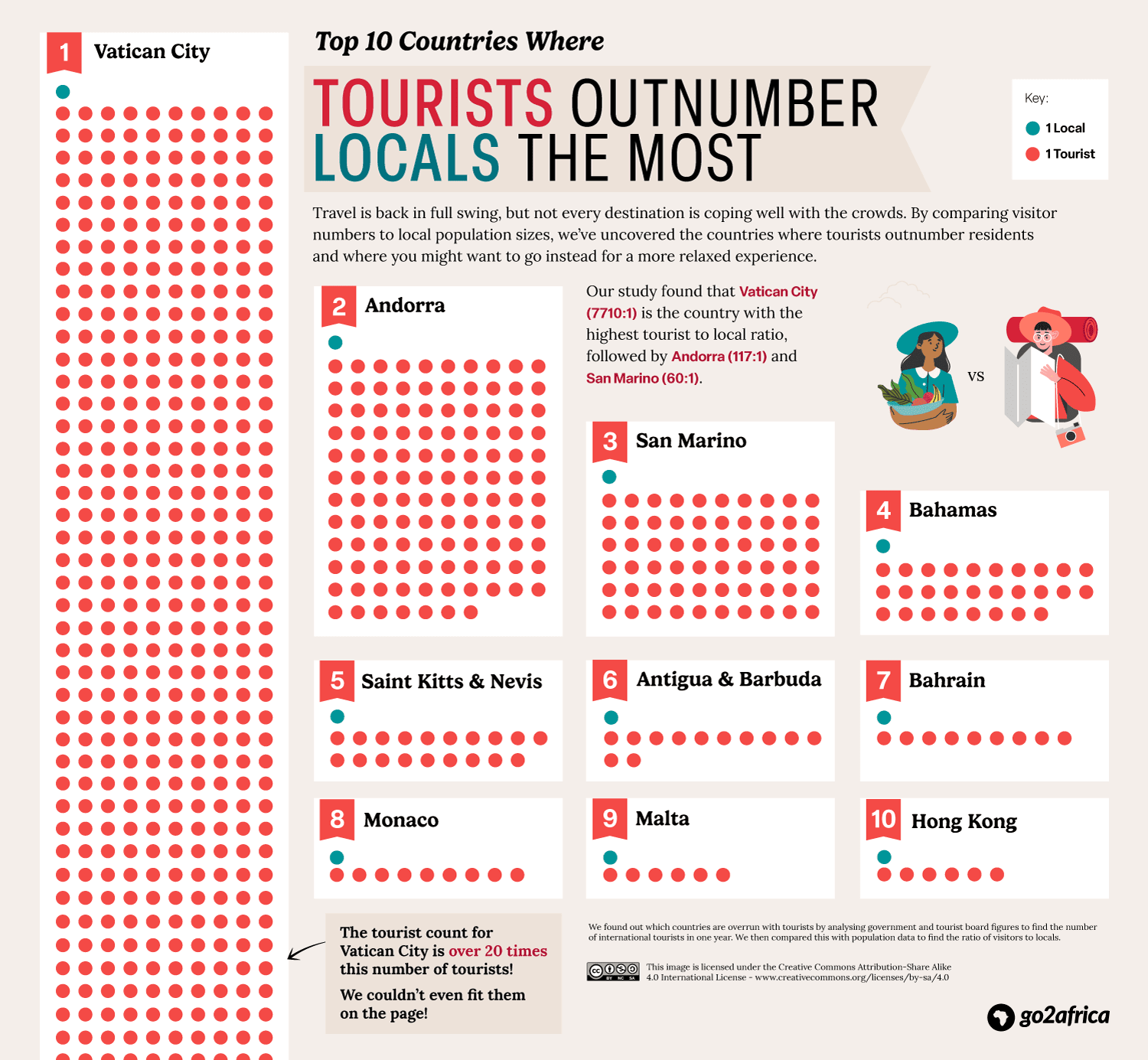
Have you ever visited a place where it feels like everyone around you is a tourist? Imagine walking through streets where the locals seem outnumbered by visitors from all over the world.
These cities have a unique energy—buzzing with excitement, new faces, and endless stories waiting to unfold. If you love exploring popular destinations or are curious about where travelers flock the most, this article is for you. Keep reading to discover which cities attract so many tourists that they outnumber the people who actually live there—and find out what makes these places truly unforgettable for your next adventure.
Top Cities With Tourist Dominance
Some cities attract so many tourists that visitors outnumber the people who live there. These places have unique features that draw travelers from all over the world. The large number of tourists changes the city’s atmosphere and daily life. Here are some of the top cities with tourist dominance.
Venice’s Floating Crowd
Venice is famous for its canals and historic charm. Tourists flood the city, especially in peak seasons. The population of visitors can be five times the number of locals on some days. This creates a floating crowd that moves through narrow streets and gondola-lined canals.
Challenges Venice faces due to tourists:
- Overcrowded walkways
- Damage to historic buildings
- Rising living costs for locals
Venice tries to manage the crowd by limiting cruise ships and promoting less-visited areas. Still, the city’s unique layout makes it easy for tourists to gather in a few hotspots like St. Mark’s Square and the Rialto Bridge.
| Month | Average Tourists per Day | Local Population |
|---|---|---|
| July | 80,000 | 55,000 |
| December | 25,000 | 55,000 |
The contrast between tourists and locals is clear, especially in summer. Venice’s charm remains, but the city must balance tourism with resident life.
Macao’s Gambling Hub
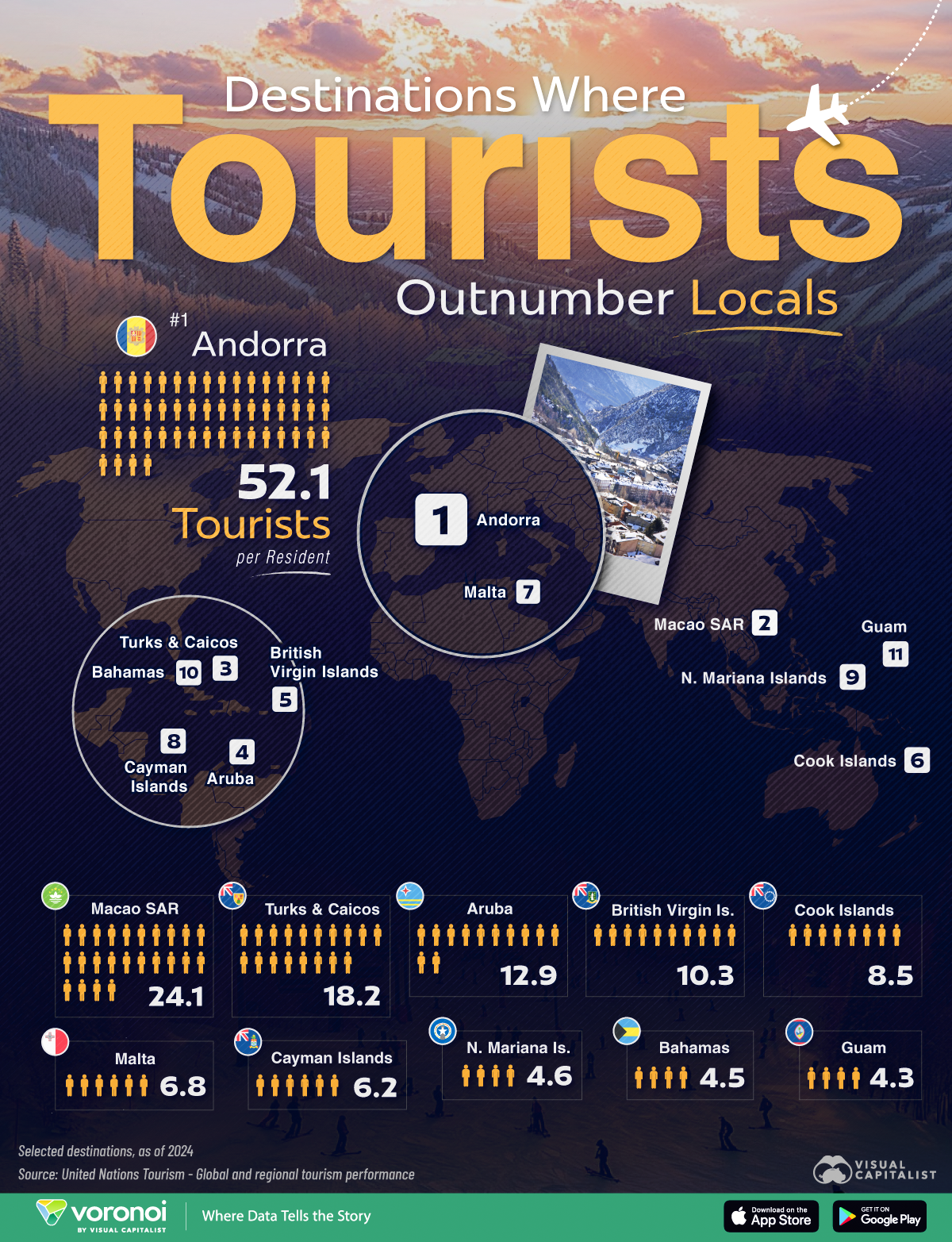
Macao is known as Asia’s gambling capital. The city’s casinos attract millions each year. Tourists outnumber locals by a large margin, especially on weekends and holidays. The bright lights and massive resorts create a lively, tourist-driven economy.
Key facts about Macao tourism:
- Over 30 million visitors yearly
- Largest casino revenue in the world
- Tourism accounts for 50% of Macao’s GDP
The city’s small population of around 680,000 contrasts sharply with the influx of visitors. Tourists come for:
- Gambling and entertainment
- Festivals and cultural events
- Luxury shopping and dining
Local life adapts to this constant flow. Many jobs depend on tourism, while some residents find the crowds overwhelming. Macao’s government invests in infrastructure to support tourists and improve local living conditions.
Barcelona’s Popular Beaches
Barcelona is famous for its beaches and vibrant culture. The city attracts millions of tourists who come for sun, sand, and city life. During summer, visitors far outnumber the city’s 1.6 million residents.
Popular tourist activities in Barcelona:
- Relaxing on Barceloneta Beach
- Exploring Gaudí’s architecture
- Enjoying local food markets
Tourism boosts the economy but also creates challenges:
- Overcrowded public spaces
- Rising prices in neighborhoods
- Noise and pollution concerns
Authorities promote sustainable tourism by limiting new hotel permits and encouraging visits to less crowded areas. Still, the busy beaches remain a major draw, especially during warm months.
Amsterdam’s Canal Visitors
Amsterdam’s canals and historic charm attract many tourists. The city’s population is around 870,000, but daily visitors can reach over a million. This high tourist density shapes the city’s vibe and economy.
Why tourists flock to Amsterdam:
- Canal cruises and boat tours
- Museums and cultural sites
- Vibrant nightlife and cafes
Tourism supports many jobs but also causes problems like:
- Housing shortages
- Noise complaints from locals
- Strain on public transport
The city promotes responsible tourism. Efforts include limiting short-term rentals and encouraging visitors to explore beyond the city center. Amsterdam balances its historic beauty with the needs of residents and tourists alike.
Credit: www.mentalfloss.com
Factors Driving Tourist Surges
Many cities around the world see tourists outnumbering their local residents. This surge happens for several reasons that draw travelers in large numbers. Understanding the factors driving these tourist surges helps explain why some places feel more like vacation spots than home for locals. Popular cities attract visitors due to their unique features, events, and conveniences that make travel easier and more exciting.
Historic Attractions
Historic attractions play a major role in bringing tourists to certain cities. People love visiting places with rich stories and preserved landmarks. These attractions offer a glimpse into the past and connect visitors with different cultures and eras.
Some key reasons historic sites attract tourists include:
- Famous landmarks: Castles, ancient ruins, and monuments draw crowds eager to see iconic places.
- Museums and galleries: They showcase art, artifacts, and history that educate and entertain.
- Walking tours: Guided tours let visitors explore neighborhoods and learn interesting facts.
Historic attractions often create a unique charm that cannot be found elsewhere. Cities like Rome, Athens, and Kyoto attract millions because their history feels alive. Tourists enjoy seeing well-preserved architecture and hearing stories that bring those places to life.
| City | Top Historic Attraction | Annual Visitors (Millions) |
|---|---|---|
| Rome | Colosseum | 7.6 |
| Paris | Notre-Dame Cathedral | 12 |
| Jerusalem | Old City | 4 |
Cultural Festivals
Cultural festivals are a big draw for tourists. These events showcase local traditions, music, food, and art. Visitors enjoy experiencing celebrations that offer a deep look into a city’s identity and spirit.
Reasons why festivals boost tourism:
- Unique experiences: Festivals provide one-of-a-kind memories through performances and rituals.
- Seasonal attractions: Many tourists plan trips around famous festivals during certain times of the year.
- Community involvement: Locals and visitors come together, creating lively atmospheres.
Examples of popular cultural festivals include:
- Rio de Janeiro’s Carnival
- Oktoberfest in Munich
- Diwali celebrations in India
- Chinese New Year in various cities
These events often lead to a temporary increase in visitors, sometimes doubling the local population. Tourists enjoy tasting traditional dishes, watching parades, and joining in dances. Festivals make cities vibrant and unforgettable.
Affordable Travel Options
Affordable travel options attract many tourists, especially budget travelers and families. Cities with low-cost flights, cheap accommodations, and affordable food become popular destinations. This accessibility allows more people to visit without spending too much.
Key affordable travel factors:
- Low-cost airlines: Budget carriers offer cheap tickets that increase visitor numbers.
- Hostels and budget hotels: Economical stays make trips possible for those with limited funds.
- Public transport: Easy and cheap transit helps tourists move around freely.
- Inexpensive dining: Street food and casual restaurants offer tasty meals at low prices.
Here is a simple comparison of travel costs in three tourist-heavy cities:
| City | Average Flight Cost (USD) | Nightly Accommodation (USD) | Meal Price (USD) |
|---|---|---|---|
| Bangkok | 350 | 20 | 3 |
| Lisbon | 450 | 40 | 8 |
| Prague | 400 | 30 | 6 |
These affordable options encourage tourists to visit repeatedly and stay longer. Cities with budget-friendly travel appeal to a wider range of visitors.
Strategic Location
Strategic location is a powerful factor for tourist surges. Cities located near major transport hubs or natural attractions tend to attract more visitors. Convenient access makes traveling easier and more appealing.
Important aspects of strategic location:
- Transport connectivity: Airports, train stations, and highways enable smooth travel.
- Natural beauty: Proximity to beaches, mountains, or parks draws nature lovers.
- Business centers: Cities serving as economic hubs see tourists for work and leisure.
For example, Singapore’s location connects Asia with the rest of the world. Its airport is a key transit point. Similarly, Barcelona sits on the Mediterranean coast, attracting both sun seekers and culture fans.
Strategic location often leads to high visitor numbers because tourists prefer places that are easy to reach and offer diverse activities. This advantage makes some cities stand out as top travel destinations.
Impact On Local Communities
Cities where tourists outnumber locals face unique challenges that deeply affect local communities. The daily lives of residents change as these cities transform into global attractions. The impact reaches housing, jobs, culture, and public services. Understanding these effects helps highlight the real cost of high tourism numbers. It also shows the balance cities must find between welcoming visitors and protecting their own people.
Housing And Cost Of Living
In cities flooded with tourists, housing becomes scarce and expensive. Many property owners convert homes into short-term rentals, reducing available housing for locals. This drives up rent and home prices, pushing residents out of their neighborhoods.
- Short-term rentals raise rental prices.
- Local families often move to suburbs or other cities.
- Affordable housing projects struggle to keep up with demand.
Below is a simple table showing how tourism affects housing:
| Factor | Effect on Locals |
|---|---|
| Short-term rental growth | Fewer homes for long-term renters |
| Increased property prices | Higher mortgage and rent costs |
| Gentrification | Displacement of low-income residents |
Many locals feel the pressure on their wallets. They face tough choices about where to live and how to maintain their lifestyle.
Job Market Shifts
The job market in tourist-heavy cities changes significantly. Many jobs focus on tourism services like hotels, restaurants, and tours. These jobs often pay less and offer fewer benefits than other sectors.
Tourism creates jobs but also causes:
- Seasonal employment that is unstable.
- Limited career growth in tourism-related roles.
- Loss of traditional industries as focus shifts to tourism.
Here is a list of common job market effects in these cities:
- Increase in part-time and temporary jobs.
- Decrease in manufacturing or local crafts employment.
- Greater competition for low-wage jobs.
Many residents worry about job security and income stability. The economy becomes more vulnerable to fluctuations in tourist numbers.
Cultural Preservation Challenges
Tourists bring interest but also strain cultural traditions. Local customs, festivals, and ways of life sometimes change to meet tourist expectations. This can dilute the original meaning and value of cultural practices.
Challenges include:
- Commercialization of traditional events.
- Loss of authentic cultural expression.
- Language and art forms fading as tourism grows.
Local communities often struggle to keep their heritage alive while welcoming visitors. Some try to protect culture by:
- Creating cultural preservation programs.
- Educating tourists about respectful behavior.
- Supporting local artists and craftsmen.
Preserving culture is vital to maintaining a city’s identity and pride.
Infrastructure Strain
High numbers of tourists put strong pressure on city infrastructure. Roads, public transport, water, and waste systems face heavy use. These systems may not be designed for such large populations.
Common issues include:
- Traffic congestion and pollution.
- Overcrowded public transport.
- Increased waste and sanitation problems.
- Wear and tear on public spaces and utilities.
Local governments must spend more on maintenance and upgrades. Sometimes, this means less funding for other community needs like schools and healthcare.
Infrastructure challenges can reduce quality of life for residents and affect the visitor experience too. Balancing infrastructure capacity is key to sustainable city growth.
Credit: www.visualcapitalist.com
Managing High Tourist Volumes
Cities where tourists outnumber locals face unique challenges. Managing high tourist volumes is vital to keep these cities livable and enjoyable. Too many visitors can strain resources, damage attractions, and upset local life. Careful planning helps balance visitors’ needs and residents’ well-being. Strategies include limiting visitor numbers, promoting eco-friendly travel, involving communities, and using technology for smooth crowd control.
Tourist Caps And Quotas
Setting tourist caps and quotas limits the number of visitors in popular areas. This control prevents overcrowding and protects local resources. Many cities use permits or timed entries to control tourist flow.
Methods include:
- Daily visitor limits at landmarks
- Advance booking systems
- Seasonal restrictions to avoid peak times
For example, a city might allow only 5,000 tourists per day to enter a historic site. This approach helps maintain the quality of the experience and reduces wear and tear.
| City | Tourist Cap Method | Effectiveness |
|---|---|---|
| Venice | Daily visitor quota | Reduces overcrowding in key spots |
| Machu Picchu | Timed entry tickets | Protects the archaeological site |
| Boracay | Tourist number restrictions | Improves environmental health |
Tourist caps need clear communication. Visitors must plan ahead and respect limits. This system supports both tourism and local quality of life.
Sustainable Tourism Practices
Sustainable tourism reduces negative impacts on the environment and culture. It encourages responsible travel that supports long-term preservation.
Key sustainable practices include:
- Using renewable energy in hotels and transport
- Promoting local products and crafts
- Encouraging walking, biking, and public transit
- Waste reduction and recycling programs
These steps help cities manage high tourist volumes without harming nature or culture. Tourists learn to respect local traditions and surroundings.
Benefits of sustainable tourism:
- Protects natural landscapes and wildlife
- Supports local economies fairly
- Preserves cultural heritage
- Improves visitor experiences
Examples of sustainable projects:
- Eco-lodges powered by solar panels
- Guided tours focused on nature conservation
- Community-run recycling centers for tourists
Adopting sustainable practices ensures cities remain attractive and healthy for future visitors and residents.
Community Engagement Initiatives
Local communities play a key role in managing tourism. Engaging residents creates better solutions and shared benefits.
Ways to involve communities:
- Public meetings and surveys to gather opinions
- Local business support and partnerships
- Training locals as tour guides and cultural ambassadors
- Creating tourism committees with resident representatives
Community engagement helps avoid conflicts between tourists and locals. It ensures tourism respects local culture and daily life.
Advantages of community involvement:
- Improves tourist behavior through education
- Boosts local pride and cultural preservation
- Generates income and job opportunities for residents
- Encourages responsible tourism development
Example: A city may involve residents in planning festivals that welcome tourists while highlighting local traditions. This builds trust and cooperation.
Technology And Crowd Control
Technology helps manage large crowds and improve tourist experiences. Smart systems track visitor numbers and guide flows.
Common technological tools:
- Real-time visitor counting with sensors
- Mobile apps showing crowded areas
- Online booking and timed ticketing
- Digital signage for directing tourists
Technology also enhances safety. Authorities can monitor hotspots and respond quickly to issues.
Benefits of technology in crowd control:
| Tool | Purpose | Impact |
|---|---|---|
| Visitor sensors | Count tourists entering areas | Prevent overcrowding |
| Mobile apps | Show live crowd levels | Help tourists avoid busy spots |
| Timed ticketing systems | Schedule visits | Spread visitor flow throughout the day |
Using technology ensures a smoother experience for tourists and protects the city’s attractions. It supports sustainable and safe tourism growth.
Future Trends In Tourist-heavy Cities
Tourist-heavy cities face unique challenges and opportunities as visitor numbers grow beyond local populations. Future trends in these cities will shape how they adapt to maintain quality of life and preserve their cultural heritage. These trends include advances in technology, shifts in traveler behavior, new policies, and environmental concerns. Understanding these factors helps prepare cities for a balanced future where tourism and local life coexist smoothly.
Virtual Tourism Growth
Virtual tourism is becoming a popular alternative to physical travel. Many cities now offer virtual tours, live streams, and 360-degree videos of famous landmarks. This technology allows people to explore destinations from home, reducing overcrowding in popular spots.
Benefits of virtual tourism:
- Reduces pressure on local infrastructure
- Allows access for those unable to travel
- Supports cultural preservation by limiting wear and tear
- Provides educational experiences
Virtual tourism also supports local economies by promoting attractions and products online. Cities can attract visitors who may plan future trips after a virtual visit. Many museums and historical sites now offer virtual reality (VR) experiences. This trend will likely grow as technology improves and becomes more affordable.
| Technology | Use | Impact |
|---|---|---|
| 360-degree videos | Virtual sightseeing | Lower physical crowding |
| Virtual reality (VR) | Immersive tours | Enhanced visitor experience |
| Live streaming | Real-time events | Global accessibility |
Changing Travel Patterns
Travel habits are shifting due to global events and technology. Tourists now seek less crowded places and longer stays. Many prefer exploring local culture over visiting typical attractions. This trend helps reduce pressure on famous tourist sites.
Key changes in travel patterns:
- Preference for off-peak travel to avoid crowds
- Interest in sustainable and eco-friendly tourism
- Rise of slow travel with longer visits
- Growth of domestic and regional tourism
Remote work also encourages travelers to stay longer in one place. Cities with good internet and amenities attract “digital nomads.” These new tourists contribute differently to the local economy. Understanding these changes helps cities plan better services and infrastructure.
Policy Innovations
Many tourist-heavy cities adopt new policies to balance tourism and local needs. These policies aim to control visitor numbers and protect local culture. Authorities use data and technology for smarter management.
Examples of policy innovations:
- Visitor caps at popular sites
- Tourist taxes to fund local projects
- Limits on short-term rentals to preserve housing
- Promotion of less-visited areas to spread tourists
Some cities implement real-time crowd monitoring and use apps to guide tourists. Policies also encourage responsible tourism and support local businesses. These efforts help maintain a positive environment for both tourists and residents.
Climate Impact Considerations
Climate change affects tourist-heavy cities in many ways. Rising temperatures and extreme weather threaten infrastructure and heritage sites. Cities must plan for these changes to protect their tourism industries.
Climate impact challenges:
- Damage to coastal and historic areas
- Increased energy and water demands
- Health risks from heat and pollution
- Seasonal shifts affecting visitor numbers
Many cities invest in green infrastructure and sustainable transport. They promote eco-friendly tourism to reduce carbon footprints. Planning for climate resilience ensures tourism remains viable without harming the environment.
Frequently Asked Questions
Which Cities Have More Tourists Than Locals?
Cities like Venice, Barcelona, and Dubrovnik often have more tourists than local residents. These places attract millions yearly due to their cultural and historic appeal. The tourist influx sometimes exceeds the local population during peak seasons, impacting local life and infrastructure significantly.
Why Do Tourists Outnumber Locals In Some Cities?
Tourists outnumber locals due to popular attractions, historic sites, and vibrant culture. Limited local population combined with global appeal draws large visitor numbers. Seasonal events and festivals also increase tourist counts, making visitors temporarily outnumber residents in certain cities.
How Does Tourism Impact Cities With More Visitors?
High tourist numbers can boost local economy through spending but strain infrastructure. It may cause overcrowding, increased living costs, and environmental wear. Cities must balance tourism benefits with preserving residents’ quality of life and cultural heritage to maintain sustainability.
What Challenges Do Cities Face With Excess Tourists?
Cities face overcrowding, pollution, and strain on public services when tourists exceed locals. Housing prices may rise, displacing residents. Traffic congestion and noise increase. Managing these challenges requires effective urban planning and sustainable tourism policies to protect local communities.
Conclusion
Cities where tourists outnumber locals offer unique experiences. Streets feel lively and full of energy. Visitors can explore famous landmarks and local culture. Sometimes, it feels like a festival all year. These cities show how travel shapes communities and daily life.
They invite people to see the world from a fresh view. Planning a trip to these places means expecting excitement and new stories. Every visit adds to the city’s vibrant pulse and charm.

Hi, I’m Lily, a travel writer based in the UK who loves exploring everything from familiar hometown gems to the varied landscapes across Europe. Whether I’m strolling through charming coastal villages or hopping trains across the continent, I’m always on the lookout for authentic, unexpected stories and experiences.
My writing style is simple and relatable—think no-fuss guides to finding the best pasty in Cornwall or stress-free tips for getting around European cities. If there’s a great view, tasty food, or a bit of history involved, chances are I’m already scribbling notes about it.