
Last Updated on
Imagine walking through a city where every street seems to twist and turn just to throw you off. You’re not lost because of poor planning—these cities were built that way on purpose.
Long ago, they were designed to confuse invaders and keep residents safe. Now, they still work—but instead of stopping enemies, they leave tourists like you scratching their heads. Curious why these places are so tricky to navigate? Keep reading, and discover the fascinating stories behind cities that were made to confuse—and how that history affects your next adventure.
Cities Built As Mazes
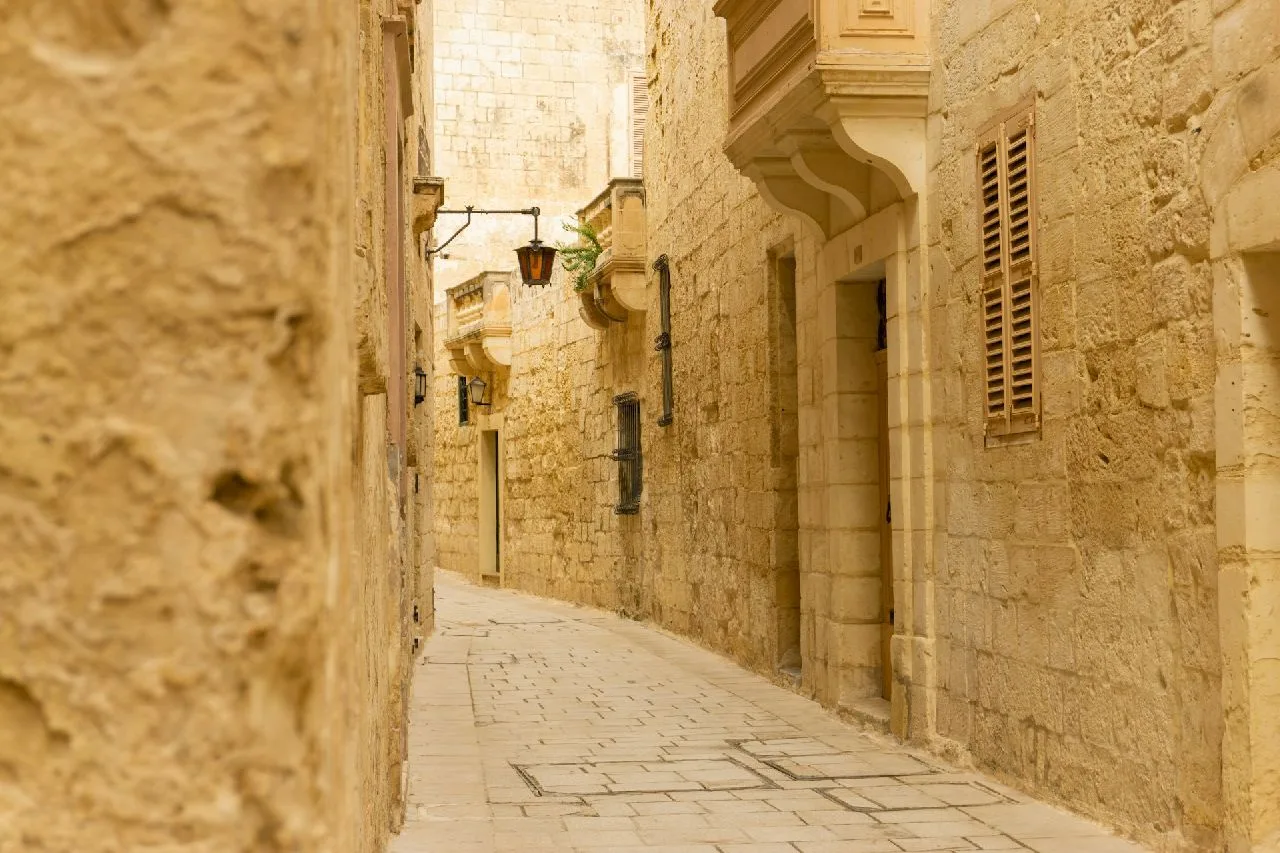
Cities Built as Mazes stand as fascinating examples of how urban design once served a vital defensive purpose. These cities were deliberately created with winding streets, dead ends, and confusing layouts to slow down or trap invading armies. Today, the same intricate designs that once protected inhabitants now puzzle tourists trying to navigate their way through narrow alleys and twisting roads. The maze-like nature of these cities reveals a rich history of strategy and survival, blending culture with defense.
Historical Reasons For Confusing Layouts
Many ancient and medieval cities were built with confusing street patterns to protect themselves from invaders. Straight roads made it easy for enemies to march quickly and capture key locations. Irregular, maze-like layouts forced attackers to slow down, get lost, or split their forces.
Key reasons for these confusing layouts include:
- Defense: Complex streets worked as traps and barriers against enemies.
- Control: Narrow passages allowed defenders to monitor and control movement.
- Adaptation: Cities grew organically, following natural land shapes or old walls.
Some cities also had to protect valuable resources like water sources or markets, so confusing layouts helped guard these spots. The design discouraged large groups from entering easily, breaking their formation and reducing their strength.
| City | Period | Purpose of Layout |
|---|---|---|
| Mdina, Malta | Medieval | Slow down invaders and protect the noble class |
| Fez, Morocco | Medieval | Confuse enemies and protect markets |
| Carcassonne, France | Medieval | Fortification with walls and maze streets |
Architectural Techniques To Deter Invaders
Architects used specific techniques to make cities harder to invade. These methods focused on confusing attackers and giving defenders an advantage. Narrow streets, sharp turns, and dead ends were common features.
Common architectural features included:
- Labyrinthine Streets: Roads twisted and turned to create confusion.
- Hidden Passages: Secret paths allowed defenders to move quickly.
- Dead Ends: Streets with no exit trapped invaders.
- High Walls and Gates: Controlled access points and slowed enemies.
- Central Squares: Served as safe zones and gathering places for defenders.
Defenders could also use elevated positions, like towers and balconies, to observe and attack invaders. The maze-like design worked well with these structures to protect the city.
The table below summarizes key architectural techniques:
| Technique | Purpose |
|---|---|
| Winding Streets | Slow down attackers and cause confusion |
| Dead Ends | Trap enemies and prevent quick escape |
| Multiple Gates | Control access and defend entry points |
| Hidden Passages | Allow defenders to move unseen |
| Elevated Towers | Provide vantage points for defense |
Famous Confusing Cities
Many cities were built with confusing street layouts to protect against invaders. These designs worked well in the past. Today, they puzzle tourists exploring these historic places. Famous confusing cities offer a unique travel experience. Narrow alleys, winding paths, and unexpected turns create a maze-like environment. Visitors often get lost but enjoy the adventure of discovery. These cities carry stories of defense and clever urban planning. Their charm lies in the mix of history and mystery that shapes their streets.
Medieval Towns With Labyrinth Streets
Medieval towns often feature labyrinthine streets. These were made to slow down enemies and hide from attacks. The twisting roads confuse outsiders but help locals know secret shortcuts. Walls, gates, and towers add to the complexity. Narrow passageways and dead ends make the town a fortress.
Some common features of these towns include:
- Irregular street patterns with no clear grid
- Hidden courtyards and small squares
- High walls enclosing the town
- Multiple gates with winding paths leading to them
- Streets that double back on themselves
These designs created a defensive advantage. They helped townspeople survive sieges and raids. The confusion worked as a natural barrier. Today, visitors enjoy exploring these maze-like streets. They offer a glimpse into medieval life and strategy. Walking through these towns feels like stepping back in time. Every corner tells a story and invites curiosity.
| Town | Country | Notable Feature |
|---|---|---|
| Carcassonne | France | Double walls and narrow streets |
| Rothenburg ob der Tauber | Germany | Maze-like medieval center |
| Mdina | Malta | Winding alleys inside fortified walls |
Examples From Different Continents
Confusing city layouts exist worldwide. Different continents have towns shaped by defense needs and geography. Each place shows unique ways to confuse invaders. Many are now famous tourist spots. Visitors enjoy the challenge of finding their way around.
Here are examples from various continents:
- Europe: Venice, Italy – Narrow canals and winding streets create a complex network.
- Asia: Old Delhi, India – Crowded markets and narrow lanes form a confusing maze.
- Africa: Fes, Morocco – The old city is a tangle of streets and alleys.
- South America: Cusco, Peru – Incan street design mixes straight and irregular paths.
These cities share traits like:
- Complex street layouts
- Hidden corners and alleys
- Historic walls or natural barriers
- Small public squares
Many cities also have local guides or maps to help tourists. These aid navigation but keep the thrill of exploring. The confusing designs give each city a special atmosphere. Visitors leave with stories about getting lost and found. Confusing cities turn wandering into an adventure.
Impact On Modern Tourism
Many ancient cities were built with narrow, winding streets to confuse enemies. Today, these same features create unique experiences for tourists. The impact on modern tourism is clear. Visitors often find these cities both fascinating and frustrating. These old designs challenge how people explore and enjoy urban spaces now. Understanding the impact helps travelers prepare better and enjoy their visits more.
Challenges For Visitors
Visitors often face difficulties navigating these cities. The maze-like streets can cause confusion and delays. Tourists may struggle to find landmarks or their hotels. Simple tasks like asking for directions become tricky due to unusual layouts. The lack of clear street signs adds to the problem.
Some common challenges include:
- Getting lost easily: Streets loop and twist unexpectedly.
- Poor mobile signal: Narrow alleys can block GPS signals.
- Language barriers: Local signs may be in old or foreign scripts.
- Limited map accuracy: Modern maps may not show all alleys.
Here is a simple table showing visitor challenges and tips to handle them:
| Challenge | Tip |
|---|---|
| Getting lost | Use offline maps and take photos of landmarks |
| Poor GPS signal | Carry a paper map and ask locals for directions |
| Language barriers | Learn basic phrases or use translation apps |
| Unclear street signs | Follow marked tourist routes or guides |
Visitors who prepare for these challenges enjoy their trips more. Patience and curiosity help turn confusion into adventure.
Unexpected Tourist Attractions
Cities built to confuse invaders often hide special attractions. Tourists discover secret courtyards, hidden shops, and ancient walls. The maze-like design creates unique photo spots and quiet corners. These surprises add charm and mystery to the visit.
Some unexpected attractions include:
- Hidden gardens: Small green spaces tucked between buildings.
- Secret passageways: Narrow paths connecting main streets.
- Historic murals: Walls painted with stories from the past.
- Local artisan shops: Craft stores off the beaten path.
These features attract visitors who love exploring beyond typical sights. Walking tours often highlight these hidden gems. Here is a quick overview of popular hidden attractions:
| Attraction | Description | Best Time to Visit |
|---|---|---|
| Secret Gardens | Quiet green spaces with local plants | Spring and Summer |
| Historic Murals | Colorful paintings on old city walls | All year round |
| Artisan Shops | Traditional crafts and souvenirs | Weekdays for less crowd |
| Secret Passageways | Hidden routes connecting main streets | Morning to avoid tourists |
These attractions turn confusing cities into exciting places. Visitors enjoy the thrill of discovery and the chance to see something unique.
Navigation Tools And Solutions
Many cities were built with winding streets and confusing layouts to stop enemies from invading easily. Today, these same designs puzzle tourists trying to find their way. Navigation tools and solutions help visitors explore these cities without getting lost. These tools combine old and new methods to make travel easier and more fun.
Use Of Technology To Navigate
Technology plays a big role in helping tourists move through confusing cities. Modern tools use maps, GPS, and apps to show clear paths. These tools can guide users step-by-step, reducing frustration and saving time.
Popular navigation technologies include:
- GPS-based apps: Google Maps, Waze, and other apps use satellite signals to track location.
- Offline maps: Useful when internet is weak or unavailable.
- Augmented Reality (AR): Shows directions over live camera views for easier understanding.
- Digital guides: Provide audio and text instructions to navigate tricky streets.
Here is a quick comparison of popular navigation apps:
| App | Works Offline | AR Features | Step-by-step Guidance |
|---|---|---|---|
| Google Maps | Yes | Yes | Yes |
| Waze | No | No | Yes |
| Maps.me | Yes | No | Yes |
Technology helps tourists feel confident and enjoy their trip. It also reduces the stress of getting lost in confusing streets.
Local Guides And Their Role
Local guides offer a personal touch to navigation. They know the city’s hidden paths and secrets that maps cannot show. Guides help tourists understand the history behind the confusing layouts.
Benefits of using local guides:
- Expert knowledge: Guides explain why streets twist and turn.
- Safety: They help avoid unsafe or difficult areas.
- Time-saving: Guides lead tourists directly to main sights and hidden gems.
- Cultural insight: They share stories about the city’s past and present.
Local guides often use simple language and gestures to help tourists who speak little local language. They can tailor the tour to match the visitor’s interests and pace.
Here are tips for choosing a good local guide:
- Look for licensed or certified guides.
- Read reviews from other tourists.
- Choose guides who speak your language or a language you understand well.
- Pick guides with experience in the city’s historic areas.
Local guides turn confusing streets into stories and adventures. They make the city feel welcoming and less overwhelming.
Preserving Historical Layouts
Many cities were built with maze-like streets to slow down or confuse invaders long ago. These intricate layouts helped protect residents by making it hard for enemies to navigate. Today, these same winding roads and confusing paths charm tourists but also create challenges. Preserving the original design of these cities is important to keep history alive. At the same time, it requires smart solutions to help visitors and locals move around easily. The balance between keeping heritage and improving access is a key focus for city planners.
Balancing Heritage And Accessibility
Keeping the old street designs intact preserves the city’s unique story and charm. These historic layouts tell tales of past defense strategies and cultural traditions. Yet, the confusing paths can frustrate tourists and even locals. Making these cities easy to explore requires thoughtful upgrades that do not erase history.
Key methods to balance heritage and accessibility include:
- Installing clear, multilingual signs to guide visitors.
- Creating detailed maps available both online and at city entrances.
- Designating specific walking routes that highlight historical spots.
- Using technology like mobile apps for navigation assistance.
- Maintaining original street patterns while improving lighting and safety.
Benefits of this balance:
| Heritage Preservation | Improved Accessibility |
|---|---|
| Protects cultural identity | Makes city easier to navigate |
| Maintains historical architecture | Enhances visitor experience |
| Supports local pride | Increases tourism and local business |
These efforts help keep the city’s soul intact while welcoming modern-day explorers.
Urban Planning In Confusing Cities
Urban planners face unique challenges in cities with complex street layouts. They must respect the historic design and meet today’s needs for safety, transport, and comfort. Planning focuses on improving flow without major changes to the original structure.
Key urban planning strategies include:
- Traffic management: Introducing one-way streets or restricted vehicle zones to reduce congestion.
- Public transport integration: Adding bus stops and routes that connect well with narrow, winding streets.
- Pedestrian-friendly zones: Expanding walkways and creating car-free areas to encourage foot traffic.
- Emergency access: Ensuring fire trucks and ambulances can quickly reach all parts.
- Technology use: Smart city tools for real-time traffic and crowd monitoring.
Urban planners also work closely with historians and locals. This teamwork ensures every change honors tradition and improves daily life.
Example of a planning approach:
1. Map historic streets accurately.
2. Identify problem areas for visitors and residents.
3. Design small interventions like signs and lighting.
4. Test improvements during peak tourist seasons.
5. Adjust plans based on feedback before finalizing.
This careful, step-by-step process helps confusing cities stay true to their past and serve present needs.
Frequently Asked Questions
Why Were Some Cities Designed To Confuse Invaders?
Cities were designed with confusing layouts to slow down enemy troops. Narrow, winding streets and dead ends hindered invader movement. This defensive tactic made it harder for enemies to capture the city quickly. It increased protection for residents and allowed defenders to plan counterattacks effectively.
Which Cities Have Confusing Designs For Tourists Today?
Cities like Fez in Morocco and Dubrovnik in Croatia have maze-like streets. Their complex layouts were originally meant to confuse invaders. Today, these designs attract tourists but often cause navigation challenges. Visitors enjoy exploring but may need maps or guides to avoid getting lost.
How Do Confusing City Designs Impact Modern Tourism?
Confusing city layouts create unique travel experiences but pose navigation challenges. Tourists often get lost but discover hidden gems and local culture. This unpredictability can enhance adventure but may require extra planning. Many cities now offer guided tours and digital maps to assist visitors.
Can Confusing City Designs Be A Tourist Attraction?
Yes, maze-like city designs intrigue tourists seeking authentic experiences. These cities offer a glimpse into historical defense strategies. Visitors enjoy exploring winding alleys and historic landmarks. Confusing layouts add charm and mystery, making the destination memorable and unique.
Conclusion
Cities built to confuse invaders still puzzle many visitors today. Their winding streets and hidden paths tell stories of past defenses. Tourists often find themselves lost but discover charm in the challenge. These cities show how history shapes the places we explore now.
Walking through them feels like stepping back in time. A confusing layout can turn into a unique adventure. Every corner holds secrets waiting to be found. Embrace the mystery and enjoy the unexpected journey.

Hi, I’m Lily, a travel writer based in the UK who loves exploring everything from familiar hometown gems to the varied landscapes across Europe. Whether I’m strolling through charming coastal villages or hopping trains across the continent, I’m always on the lookout for authentic, unexpected stories and experiences.
My writing style is simple and relatable—think no-fuss guides to finding the best pasty in Cornwall or stress-free tips for getting around European cities. If there’s a great view, tasty food, or a bit of history involved, chances are I’m already scribbling notes about it.