

Last Updated on
Just by going solo you gain freedom and flexibility to set your schedule, change plans, and pursue tailored experiences, while fostering personal growth and confidence through independence and reflection; you’ll meet locals and fellow travelers more easily, control your budget for spontaneous choices, and boost wellbeing with solo retreats—while staying vigilant about safety risks and situational awareness to keep your trip rewarding and secure.
Key Takeaways:
- Freedom & flexibility: travel on your own schedule, change plans instantly, tailor experiences and spending to your priorities.
- Personal growth & self‑discovery: builds independence, confidence and resilience while providing time for reflection, creativity and mental clarity.
- Social connections & wellness: easier to meet locals and fellow travelers, form meaningful friendships, and enjoy lower stress through solo retreats and nature or wellness trips.
The Liberation of Solo Exploration
Solo travel hands you the authority to design days around your rhythms: wake at 5:30 for a quiet sunrise hike, linger three hours in a museum that sparks you, or swap cities midweek after a tip from a local. Over a 7–14 day trip you can test different paces—urban intensity one day, slow coastal towns the next—and experience decisions that reflect only your priorities, accelerating personal growth and creative clarity.
Crafting Your Own Itinerary
You build a schedule that matches your energy and interests: reserve two museum mornings, block an afternoon for a 4–6 km hike, and leave evenings open for street-food markets or workshops. By allocating time to specific pursuits—say, three food tours and two guided hikes on a 10-day trip—you ensure depth over compromise, control costs by prioritizing what matters, and guarantee every day feeds your curiosity.
Spontaneous Adventures Without Compromise
Solo travel lets you pivot instantly: book a same-day ferry to a nearby island, extend a stay by a night when you find a hidden cove, or join a local sunset boat trip with little negotiation. Use apps for last-minute bookings, carry a flexible budget line, and keep digital copies of your passport and emergency contacts so spontaneity doesn’t cost you safety or options.
Practical habits make those spur-of-the-moment decisions work: reserve only your first 1–2 nights in a new place, keep one credit card untouched as a backup, and set alerts for cheap same-day transport—buses and trains often release seats 24–48 hours ahead. In cities like Lisbon or Chiang Mai you can replace a museum visit with a 3-hour cooking class that costs €25–€45 and connects you to locals; in remote areas, check weather and transport schedules before altering plans. Always verify local emergency numbers and stay aware of known scams or unsafe neighborhoods so your freedom stays rewarding rather than risky.
Building Resilience Through Solitude
Solo travel forces you to handle real-world problems without a fallback: rebooking a missed train, bargaining in a market, or navigating a foreign hospital. Confronting these tasks builds a practical toolkit—map-reading, quick decision-making, and emotional regulation—that transfers to work and relationships. Within months you often develop faster problem-solving and higher tolerance for uncertainty, skills that change how you respond to pressure.
Gaining Independence and Self-Reliance
When you plan a trip alone you learn to trust your judgment: choosing accommodations, setting a budget, and adjusting plans on the fly. Managing your own itinerary means you control 100% of your time—sleeping, sightseeing, and dining by your rules. Practical habits like packing a 7–10 kg carry-on, reading local timetables, and keeping digital backups of documents quickly become second nature.
Confronting and Overcoming Obstacles Alone
Facing setbacks solo—missed flights, sudden illness, or getting lost—teaches you to assess risk and act decisively. You learn to prioritize: call your embassy, find a clinic, or secure emergency cash. Handling a late-night flight cancellation by rebooking, booking a budget hotel, and alerting family trains you in rapid triage and reduces panic in future crises. Knowing how to respond becomes a personal safety net.
Start by carrying imperatives: digital copies of passports, local emergency numbers, and a small €100–$150 emergency fund. Practice simple phrases for directions and health terms; apps like Google Translate and offline maps are lifesavers. If robbed or injured, move to a public place, contact local police, and call your embassy for support. Each resolved incident both raises confidence and lowers perceived risk on subsequent trips.
The Journey Inward: Self-Discovery and Reflection
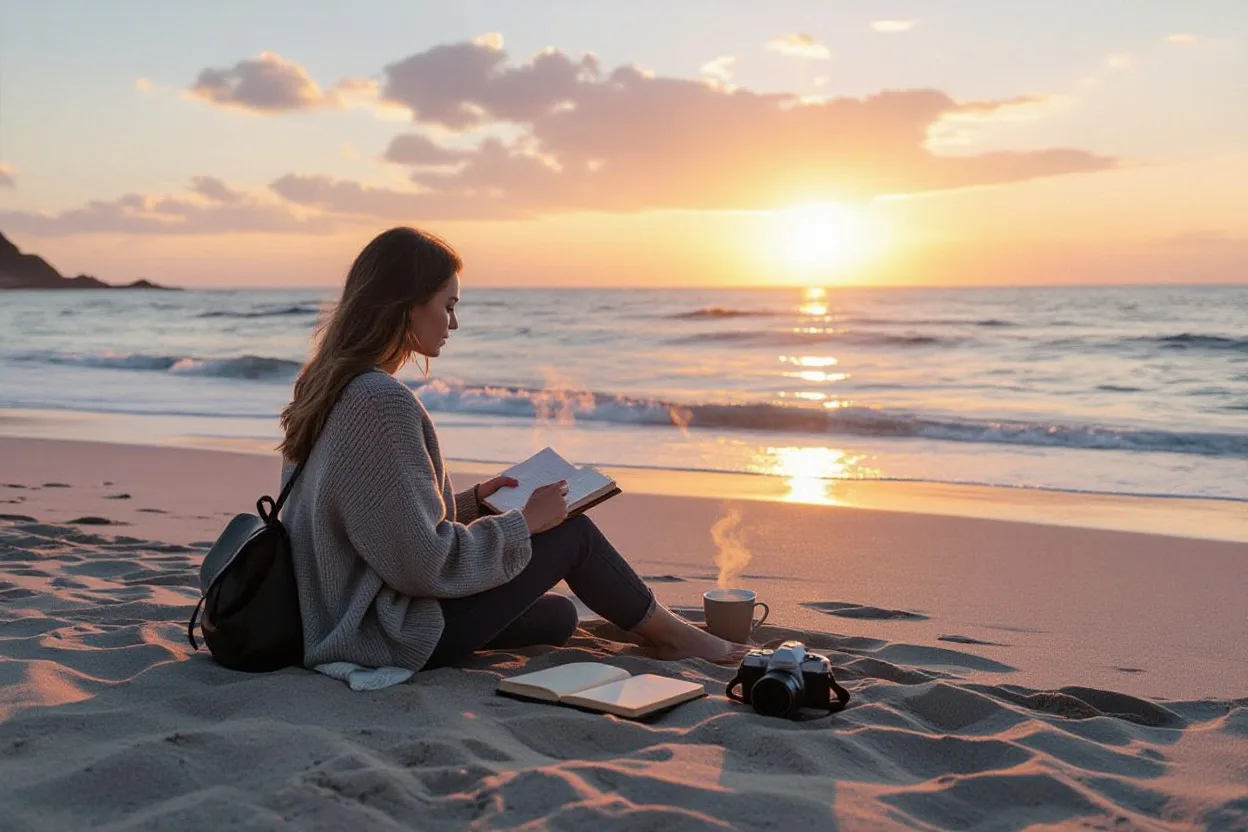
Solitude on the road gives you uninterrupted reflection, letting you notice patterns in choices, reactions, and desires that get drowned out at home. Sit in a sunrise market for an hour, journal 10–20 minutes each morning, or map decisions from the past year to see recurring themes. Small exercises across a two-week trip often reveal priorities you can act on once you return, turning leisure into tangible self-knowledge.
Carving Out Time for Personal Insights
Design your day with intentional pockets: block 30-minute slots after breakfast, use travel time for prompts, or reserve an evening for a five-question reflection (What surprised you today? What drained you?). Keep a pocket notebook or voice memo app to capture flashes of insight. These small, repeatable habits let you aggregate observations into clear patterns within days rather than vague impressions at trip’s end.
Enhancing Creativity and Mental Clarity
New environments force your brain to reinterpret stimuli, which boosts divergent thinking and problem-solving. Try a 24-hour screen break, a 20-minute mindful walk, or a creative constraint like photographing only shadows for an afternoon. Those experiments help you strip away mental clutter and access fresh ideas you can apply to work, hobbies, or life decisions.
Practical exercises accelerate that clarity: collect five sensory notes each day (smell, sound, color, texture, taste), complete a 60-minute sketch or photo challenge, then review what themes repeat across sessions. In one-week cycles you’ll often notice reduced indecision and a steady stream of new concepts—use a single-page weekly summary to capture actionable takeaways and track which ideas you want to pursue after the trip.
The Art of Connection: Meeting Diverse Individuals
Forming Bonds with Locals and Fellow Wanderers
You can accelerate connections by choosing activities where conversation forms naturally: join a local cooking class in Chiang Mai, a free walking tour in Lisbon, or a 10–20 person day hike where people swap stories. Staying in hostels and attending language exchanges often sparks same-day plans. Keep valuables secure—pickpocketing spikes in crowded markets—and set a simple goal like exchanging two contacts per trip to turn brief encounters into ongoing ties.
Creating Lasting Friendships Across Borders
Exchange contact details quickly—WhatsApp, Instagram, and email keep conversations alive across time zones. You can schedule quarterly video check-ins, pick an annual festival to meet at, or agree to trade stays to cut costs. Look for consistent communication and shared values as signals to invest more, and always vet invitations before sharing exact travel plans or addresses to stay safe while deepening bonds.
You can turn fleeting meetings into durable friendships by setting small commitments: plan a joint trip within 6–12 months, create a shared photo album, or swap local guides and recommendations. Practical steps like calendaring a reunion, splitting travel costs, and using group-planning apps convert goodwill into tradition; many long-term travel friendships evolve into mentorships or collaborative projects that extend your network well beyond a single trip.
Financial Freedom: Travel Within Your Means
Set a clear daily ceiling—try $30–$80 for budget destinations or $100–$200 for mid-range cities—and build a $300–$1,000 emergency buffer before departure. Track expenses with apps like Trail Wallet, preload a no-fee travel card, and avoid dynamic currency conversion and ATM fees. Allocate spending by priority (example: 40% accommodation, 30% food/transport, 30% activities) so you can pivot plans without jeopardizing crucials or running out of cash abroad.
Personalizing Your Budget and Spending
Decide whether you value comfort, cuisine, or experiences and split funds accordingly—for instance, if food matters, shift to 30% accommodation, 50% food, 20% activities. Opt for a $25 guesthouse over a $100 hotel to free up cash for a $60 guided hike or cooking class. Use loyalty points and card sign-up bonuses to cover flights or one big night out; many travelers offset 10–50% of trip costs this way.
Embracing Spontaneity in Financial Decisions
Keep a discretionary pot equal to 10–20% of your trip budget for unexpected opportunities—a $1,000 trip would leave $100–$200 to say yes to a last-minute tour. Choose flexible rates and a backup credit card with no foreign transaction fees so you can book on the spot without incurring high charges. Balance impulse spending against your emergency fund to avoid draining reserves.
Practical tactics: set a daily spending cap and a separate “fun” envelope, enable transaction alerts to prevent surprise overspending, and withdraw cash in larger increments to minimize per-ATM fees. Example: on a 14-day, $1,400 trip, reserving $280 (20%) allowed joining a $120 island trip and splurging on two special meals without touching the $500 emergency fund. Keep one offline payment method to cover unexpected costs safely.
Customized Experiences Tailored to Your Desires
You decide the theme: a 7–10 day culinary deep-dive in Lyon, a 4-day Inca Trail trek, or a week of silent retreat in Ubud. Tailored solo trips let you allocate time, budget and pace exactly how you like; that means 100% of your itinerary reflects your priorities. Practical perks include booking last-minute guided tours, private classes, or time-saving transport to maximize experiences on a tight schedule.
Pursuing Unique Interests and Hobbies
If you collect vintage watches, chase street art, or track migratory birds, solo travel enables deep dives—book a 3-hour street-food tour in Bangkok, a 5-day photography workshop in Iceland, or a week-long ceramics residency in Jingdezhen. You choose intensity and instructors, often finding niche providers who accept single participants. Specialized experiences become accessible because you answer only to your own curiosity and schedule.
Eliminating the Need for Compromise in Travel Choices
Skipping others’ agendas means you can spend four hours in a single museum, take an impromptu mountain detour, or cancel a group tour without fallout. Solo decisions let you optimize for pace, budget and energy: sleep in or wake at 4:30 a.m. for sunrise photos. The direct benefit is clearer days and higher satisfaction per trip, since every choice aligns with what you value most.
Eliminating compromise also affects practicalities: you can upgrade one night to a boutique hotel after a long trek, reallocate budget from group meals to a private guide, or extend a stay to finish a course. If you pursue high-risk activities—rock climbing, backcountry skiing—verify local guide certifications and buy travel insurance that covers adventure sports. Those small, solo-driven choices reduce regret and increase the quality of your trip.
Summing up
Upon reflecting, solo travel lets you set your own pace and change plans on a whim while building independence, confidence, and emotional clarity. You gain time for self-discovery and mindfulness, meet locals and fellow travelers more easily, control your budget, and tailor experiences to your passions. These practical and wellbeing benefits reinforce one another, making a solo trip a powerful way for you to grow, recharge, and expand your world—try it at least once.
FAQ
Q: What practical advantages does solo travel offer?
A: Solo travel gives you complete freedom and flexibility to build your own schedule, change plans at a moment’s notice, and prioritize activities that matter to you. It makes budgeting simpler because you control every expense and can allocate money to the experiences you value most. Traveling alone also lets you tailor trips to your interests—museums, hikes, food tours or quiet retreats—without compromise, and opens up opportunities for wellness-focused itineraries that reduce stress and recharge energy.
Q: How does traveling alone contribute to personal growth and confidence?
A: Going solo forces you to solve problems independently, navigate unfamiliar places, and make decisions under new conditions, which steadily builds self-reliance and confidence. Facing and overcoming challenges—planning logistics, handling delays, communicating across cultures—sharpens practical skills and emotional resilience. Extended time alone also encourages reflection and mindfulness, fostering clearer priorities, greater creativity, and improved mental well-being.
Q: Will I meet people or be isolated when I travel alone?
A: Solo travel often makes meeting others easier because you’re more approachable and open to conversation. You can connect with locals, join group activities, stay in social accommodations, or meet fellow travelers on tours—leading to meaningful friendships and cultural exchange. Choosing when to seek company and when to enjoy solitude lets you balance social interaction with personal space, and many solo travelers return with a richer global social network.

Hi, I’m Jenny — a solo travel writer based in the UK with nearly a decade of independent travel under my belt. I took my first solo trip at 24, a slightly terrifying two weeks in Vietnam, and I’ve been hooked ever since.
Over the past 9 years I’ve completed 60+ solo trips across Europe, Southeast Asia, Central America and Japan — from weekend city breaks in Prague to three-week overland journeys through the Balkans. I speak conversational French and basic Spanish, which has opened more doors (and more dinner tables) than any guidebook ever could.
My writing focuses on the practical stuff solo female travellers actually need: safety, navigation, budget-stretching, and finding genuine connection on the road. I don’t do fluff. If I haven’t personally figured out whether a city is safe to walk home alone at midnight, I won’t pretend I have.
When I’m not writing I’m usually planning the next one — or eating something I can’t pronounce.