
Last Updated on
Have you ever thought twice before booking a flight within Europe? You’re not alone.
More and more travelers are choosing to skip flying for their trips across the continent. But why is that? What’s pushing people to look for alternatives instead of hopping on a plane? If you want to understand the surprising reasons behind this shift and how it might affect your own travel plans, keep reading.
This could change the way you think about getting around Europe forever.
Rising Environmental Concerns
Rising environmental concerns have become a major reason why some travelers avoid flying within Europe. The impact of air travel on the planet is clearer than ever. Many people worry about carbon emissions and climate change. These worries push travelers to find greener ways to explore Europe. Awareness of pollution and its effects makes flying less attractive for short distances. Travelers want to reduce their footprint and protect the environment for future generations.
Impact Of Short-haul Flights
Short-haul flights, those lasting less than two hours, produce a large amount of pollution per passenger. Planes burn a lot of fuel during takeoff and landing. This means short flights often create more pollution per mile than long flights.
- High fuel consumption: Planes use most fuel when taking off.
- Increased carbon emissions: Short flights emit a lot of CO2 quickly.
- Other pollutants: Nitrogen oxides and water vapor add to climate effects.
Here is a simple comparison of emissions for a 300 km trip by plane versus train:
| Transport Mode | CO2 Emissions (kg per passenger) | Travel Time |
|---|---|---|
| Short-Haul Flight | 90 | 1 hour |
| High-Speed Train | 15 | 3 hours |
Many travelers realize this difference and choose trains or buses instead. They accept longer travel times to cut pollution. This choice helps reduce Europe’s overall carbon footprint. Airlines try to improve fuel efficiency but short flights remain a big problem for the environment.
Growing Awareness Among Travelers
More travelers now know how flying harms the planet. Social media, documentaries, and news reports spread information fast. People learn about climate change and their personal impact. This knowledge changes how they travel.
- Carbon footprint calculations: Travelers check their emissions before booking.
- Eco-friendly choices: Many pick trains, buses, or car-sharing.
- Support for green policies: Demand for cleaner transport grows.
Some travelers follow a simple rule: “Fly less, travel better.” They prefer slow travel to enjoy the journey and nature. Studies show that young people especially care about the environment. They avoid flying to reduce their carbon footprint.
Awareness also leads to new travel habits:
- Choosing destinations reachable by train or bus.
- Taking fewer but longer trips.
- Offsetting carbon emissions by planting trees or donating.
This shift in mindset pressures airlines and governments to act. Travelers want cleaner, greener options across Europe. The movement to reduce short-haul flights grows stronger every year.
Alternative Transportation Options
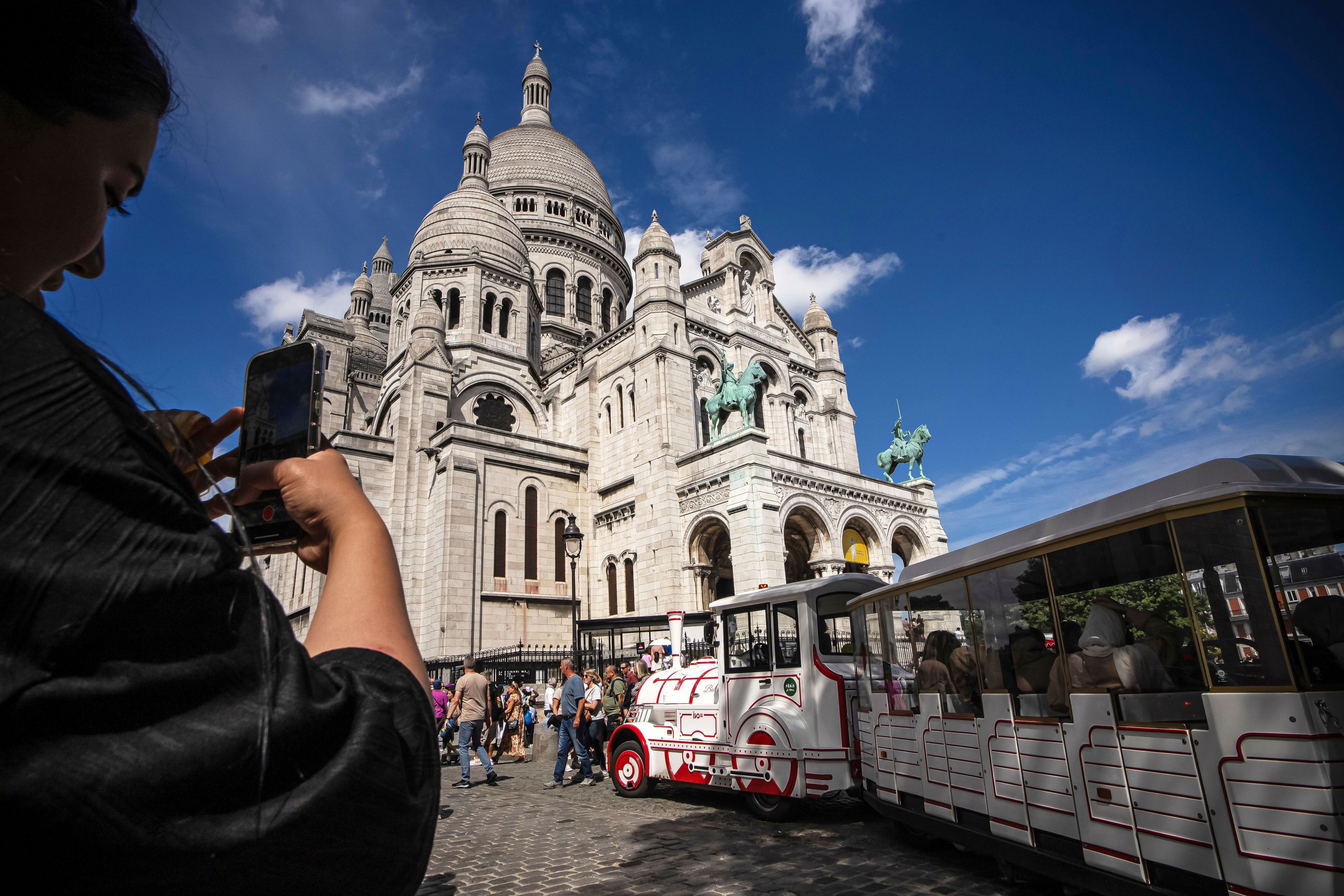
Many travelers avoid flying within Europe now. They choose other ways to move around the continent. These alternative transportation options offer comfort, cost savings, and a smaller carbon footprint. They suit those who want to skip airport hassles and long security lines. Europe’s transport system gives great choices beyond planes. Trains, buses, and carpooling help people reach cities fast and cheaply. These options also show respect for the environment and local culture. Travelers enjoy scenic routes and meet new people on the way. The following sections explain why high-speed trains and bus or carpooling choices attract more travelers each year.
High-speed Rail Networks
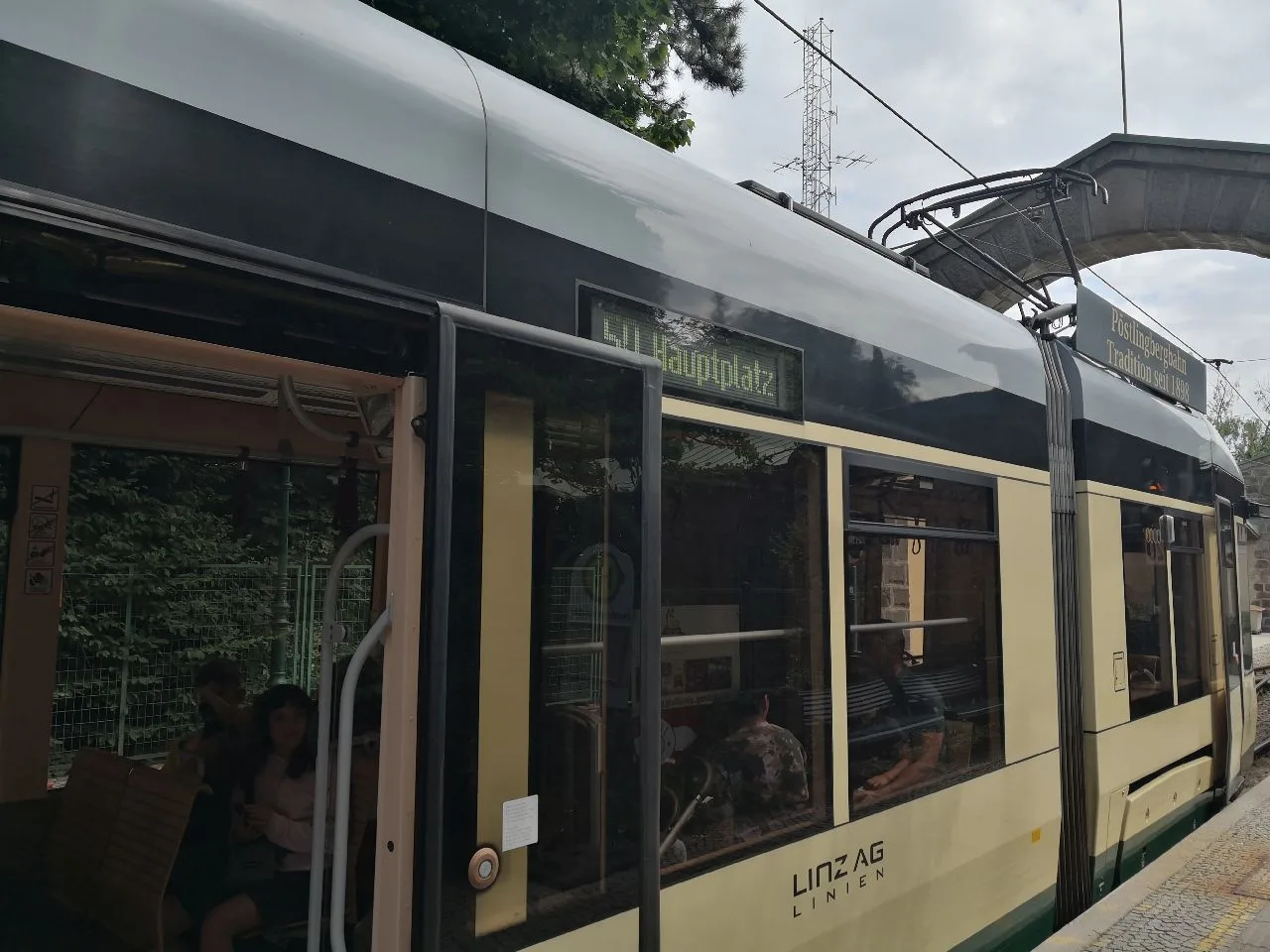
Europe’s high-speed rail networks are a popular alternative to flying. They connect major cities quickly and comfortably. Trains like the TGV, Eurostar, and ICE cover hundreds of miles in a few hours. Many travelers prefer trains because they avoid airport delays and security checks. Trains often arrive in city centers, saving time and money on transfers.
Advantages of high-speed trains:
- Fast travel times between cities
- Spacious, comfortable seating
- Easy boarding without long lines
- Scenic views along the route
- Less environmental impact than planes
Here is a comparison of travel times and costs for popular European routes:
| Route | Train Time | Flight Time (excluding airport time) | Average Train Cost | Average Flight Cost |
|---|---|---|---|---|
| Paris to Brussels | 1h 20m | 1h | €50-€90 | €70-€120 |
| London to Amsterdam | 3h 50m | 1h 15m | €60-€110 | €80-€150 |
| Berlin to Munich | 3h 40m | 1h 10m | €40-€80 | €90-€130 |
Trains offer a balance of speed, cost, and comfort. Many travelers find this option more relaxing and efficient than flying.
Bus And Carpooling Choices
Buses and carpooling serve travelers on a budget or those who want a flexible schedule. Bus companies like FlixBus and Eurolines cover almost all European countries. Buses cost less than planes and trains but take more time. They are good for those who want to save money and see the countryside.
Carpooling connects drivers with empty seats to passengers going the same way. Platforms like BlaBlaCar make carpooling easy and safe. It also helps reduce the number of cars on the road.
Benefits of buses and carpooling:
- Lower prices than flights and trains
- Flexible departure times
- Chance to meet locals and fellow travelers
- Access to smaller towns and rural areas
- Reduced carbon footprint per passenger
Typical costs and travel times for bus and carpooling routes:
| Route | Bus Time | Carpool Time | Average Bus Cost | Average Carpool Cost |
|---|---|---|---|---|
| Madrid to Barcelona | 7h 30m | 6h 30m | €20-€40 | €15-€30 |
| Rome to Florence | 4h 45m | 4h | €15-€35 | €10-€25 |
| Prague to Vienna | 4h | 3h 30m | €12-€25 | €10-€20 |
These options suit travelers who enjoy slower journeys with new experiences. They also help reduce travel costs and environmental impact.
Cost And Convenience Factors
Many travelers now avoid flying within Europe because of rising costs and convenience issues. Air travel once promised quick and easy trips across countries. Today, it often means unexpected expenses and long waits. These factors push people to seek other travel options like trains or buses. Understanding these challenges helps explain why flights lose their appeal for short European journeys.
Hidden Fees And Delays
Flying in Europe can seem cheap at first. Airlines offer low ticket prices to attract customers. But many costs hide behind the initial fare. These fees add up quickly and make the trip more expensive than planned.
- Baggage fees: Most budget airlines charge extra for checked bags and even carry-ons.
- Seat selection: Picking a specific seat often costs extra money.
- Food and drinks: Snacks and drinks on board usually are not free.
- Priority boarding: Passengers pay more for early boarding privileges.
These hidden fees are confusing and frustrating. Travelers may feel tricked after booking a flight.
| Fee Type | Typical Cost | Notes |
|---|---|---|
| Baggage | €20 – €50 | Varies by airline and weight |
| Seat Selection | €5 – €15 | Depends on seat location |
| Food & Drinks | €3 – €10 | Not included in ticket price |
| Priority Boarding | €10 – €30 | Optional service |
Delays add another layer of inconvenience. Flights within Europe often face:
- Late departures due to air traffic or weather.
- Long waits on the tarmac.
- Missed connections from tight schedules.
Delays waste time and cause stress. Travelers want reliable trips, not surprises.
Airport Security And Transfers
Airport security checks slow down travel considerably. Passengers must arrive early to clear security lines. This eats into the time saved by flying.
Steps involved:
- Checking in luggage or printing boarding passes.
- Going through security scanners and passport control.
- Waiting at crowded gates before boarding.
These procedures often take 1 to 2 hours before the flight. Travelers face long queues and strict rules about liquids and electronics. This causes frustration and delays.
Many European airports are outside city centers, requiring transfers. Passengers spend extra time and money on:
- Bus or train rides to and from the airport.
- Taxi or rideshare costs.
- Parking fees if driving themselves.
Transfers add to overall journey time and cost, making flying less convenient than expected. For short distances, these factors turn flying into a less attractive option. Travelers prefer direct transport methods without these extra steps.
Changing Travel Preferences
Many travelers in Europe now choose to avoid flying for short trips. This shift reflects changing travel preferences that value deeper connections and more meaningful journeys. Instead of rushing through multiple destinations, people prefer to slow down and enjoy each place fully. This change also responds to environmental concerns and a desire to reduce carbon footprints. These new habits show how travel is evolving beyond just reaching a destination quickly.
Desire For Slower Travel
Slower travel means spending more time in one place, enjoying its rhythm and culture. Travelers avoid the stress of airports and flights. They find joy in the journey itself, not just the arrival. Slow travel allows for:
- More time to explore local neighborhoods
- Less rushing between cities
- Better connection with nature and landscapes
- Reduced travel fatigue and stress
Many choose trains, buses, or even cycling to travel between European cities. These options offer scenic views and a relaxed pace. A table below compares fast and slow travel styles:
| Aspect | Fast Travel (Flying) | Slow Travel (Train, Bus, Bike) |
|---|---|---|
| Time Spent | Short, rushed | Longer, relaxed |
| Experience | Focus on destination | Enjoys journey and destination |
| Environmental Impact | High emissions | Lower emissions |
| Stress Level | High (security, delays) | Low (comfortable, scenic) |
This approach fits travelers who want to relax and immerse themselves in new places. It also supports more sustainable tourism practices across Europe.
Focus On Local Experiences
Travelers now seek authentic moments, not just famous sights. They want to meet locals, try real food, and join local customs. This focus changes how people plan their trips:
- Choosing smaller towns instead of big cities
- Visiting markets, family-run cafes, and artisan shops
- Taking part in cultural workshops or festivals
- Staying in local homes or small guesthouses
Local experiences offer a deeper understanding of a place. They create lasting memories and personal stories. Travelers often share these moments with friends and family, inspiring others to travel differently.
Key benefits of focusing on local experiences include:
- Supporting local economies
- Preserving cultural heritage
- Reducing mass tourism impacts
- Developing meaningful connections
People avoid flying to spend more time in these local settings. They prefer slower transport to reach hidden gems off the usual tourist routes. This choice makes travel richer and more rewarding.
Policy And Regulatory Influences
Many travelers now avoid flying within Europe due to strict policies and rules. These policies aim to reduce pollution and protect the environment. Governments and organizations want to lower carbon emissions from air travel. This leads to new taxes and regulations. Such changes influence travelers’ decisions. Some prefer trains or buses over planes. Understanding these rules helps explain why flying is less popular for short trips across Europe.
Carbon Taxes And Emission Regulations
Governments in Europe apply carbon taxes on flights to lower pollution. These taxes make flying more expensive. Airlines must pay fees based on how much pollution their planes create. This cost often passes to passengers, increasing ticket prices.
Rules also limit the amount of carbon dioxide planes can emit. Airlines must use cleaner technology or buy permits to cover extra emissions. These rules push airlines to find greener options. Some travelers choose not to fly because of higher costs and environmental concerns.
- Carbon taxes increase flight prices.
- Emission caps force airlines to reduce pollution.
- Airlines may charge extra fees to cover costs.
- Travelers seek alternative transport to save money and help the planet.
| Policy | Effect on Travelers | Effect on Airlines |
|---|---|---|
| Carbon Tax | Higher ticket prices | Additional operating costs |
| Emission Caps | Fewer cheap flights | Need cleaner technology |
| Emission Trading Schemes | Possible flight cancellations | Cost to buy permits |
Support For Sustainable Travel Initiatives
Many European countries support sustainable travel. They invest in trains, buses, and bikes. These options produce less pollution than planes. Travelers find these choices cheaper and eco-friendly.
Governments offer benefits to people who use green travel. These include:
- Discounted train tickets
- Improved public transport services
- Infrastructure for cycling and walking
- Information campaigns about eco-friendly travel
Some cities restrict short flights to encourage trains. Travelers trust trains to be faster and easier for short distances. This support helps reduce plane trips within Europe.
Here is how support compares:
| Initiative | Description | Traveler Benefit |
|---|---|---|
| Train subsidies | Lower ticket prices | Save money, less pollution |
| Public transport upgrades | More frequent and reliable service | Better travel options |
| Bike lanes and paths | Safe cycling routes | Healthy and green travel |
Wrapping Up
Many travelers in Europe have started to avoid flying for short trips. They choose trains, buses, or cars instead. This shift comes from concerns about the environment, airport hassles, and better travel options. Wrapping up these reasons helps us understand why flying is not always the first choice anymore.
Environmental Concerns Drive Change
Air travel produces a lot of carbon emissions. Many travelers want to reduce their impact on the planet. They choose slower but greener ways to travel. Trains and buses use less energy per passenger. This choice helps protect nature and fight climate change.
Comfort And Convenience Matter
Flying often means long waits, security checks, and delays. Trains and cars can be more relaxing and flexible. Travelers can bring more luggage without extra fees. Stations are often in city centers, saving extra travel time. This comfort makes non-flying options more attractive.
Cost And Time Considerations
| Travel Mode | Average Cost | Average Travel Time | Additional Factors |
|---|---|---|---|
| Short-haul Flight | €50 – €150 | 1-2 hours | Extra time for security, check-in |
| Train | €40 – €120 | 2-4 hours | City center to city center |
| Bus | €15 – €50 | 3-6 hours | Usually cheaper, slower |
Many find that the total time and cost of flying can be higher. Trains and buses offer a good balance between price and travel time.
Improved Alternatives Encourage Travelers
- High-speed trains connect major cities quickly.
- Better rail infrastructure makes travel smoother.
- Car-sharing apps offer flexible travel options.
These options provide comfort and reduce the need for air travel. Travelers feel more in control and less stressed.
Frequently Asked Questions
Why Do Some Travelers Avoid Flying Within Europe?
Some travelers avoid European flights due to environmental concerns, preferring trains or buses to reduce carbon footprints. Others cite long security lines and airport hassles. Additionally, rising flight costs and delays motivate many to seek alternative travel modes that are more convenient and eco-friendly.
How Do Environmental Concerns Impact European Flight Choices?
Environmental awareness leads many travelers to reduce air travel within Europe. They choose trains or buses, which emit less CO2 per passenger. This shift helps lower overall carbon emissions, aligning with sustainable travel goals and personal responsibility toward climate change.
Are Trains Better Than Planes For European Travel?
Yes, trains often offer faster city-center to city-center travel without long security checks. They are more eco-friendly, quieter, and provide scenic routes. High-speed rail networks in Europe make trains a practical, comfortable alternative to short-haul flights.
What Makes Flying In Europe Less Convenient Now?
Increased security measures, frequent delays, and crowded airports reduce convenience. Rising ticket prices and complicated check-ins also frustrate travelers. These factors encourage many to choose more straightforward and reliable transport options like trains or car rentals.
Conclusion
Travel habits change with time and new priorities. Many travelers now seek greener options for their trips. Train rides and buses offer more comfort and less pollution. Some avoid flights to reduce stress and delays. Costs and airport hassles also push people away from planes.
Choosing slower travel means enjoying the journey itself. Europe’s strong rail network makes this easier than before. Travelers want simple, safe, and eco-friendly ways to explore. This shift shows how travel is about more than speed. It reflects growing care for the planet and personal well-being.

Hi, I’m Lily, a travel writer based in the UK who loves exploring everything from familiar hometown gems to the varied landscapes across Europe. Whether I’m strolling through charming coastal villages or hopping trains across the continent, I’m always on the lookout for authentic, unexpected stories and experiences.
My writing style is simple and relatable—think no-fuss guides to finding the best pasty in Cornwall or stress-free tips for getting around European cities. If there’s a great view, tasty food, or a bit of history involved, chances are I’m already scribbling notes about it.