
Last Updated on
Have you ever wondered what lies beneath your feet? Hidden beneath the surface are incredible underground cities that you can actually visit.
These secret places hold fascinating history, mysterious tunnels, and unique sights you won’t find above ground. If you’re ready to explore something truly different, this guide will take you through some of the most amazing underground cities around the world.
Get ready to uncover the secrets waiting just below you!
Famous Underground Cities
Famous underground cities offer a unique glimpse into human history and ingenuity. These hidden networks beneath the surface served many purposes, from protection to daily living. Today, visitors can explore these fascinating places and learn about their past. Each underground city has a story that reveals how people adapted to their environment and challenges.
Derinkuyu, Turkey
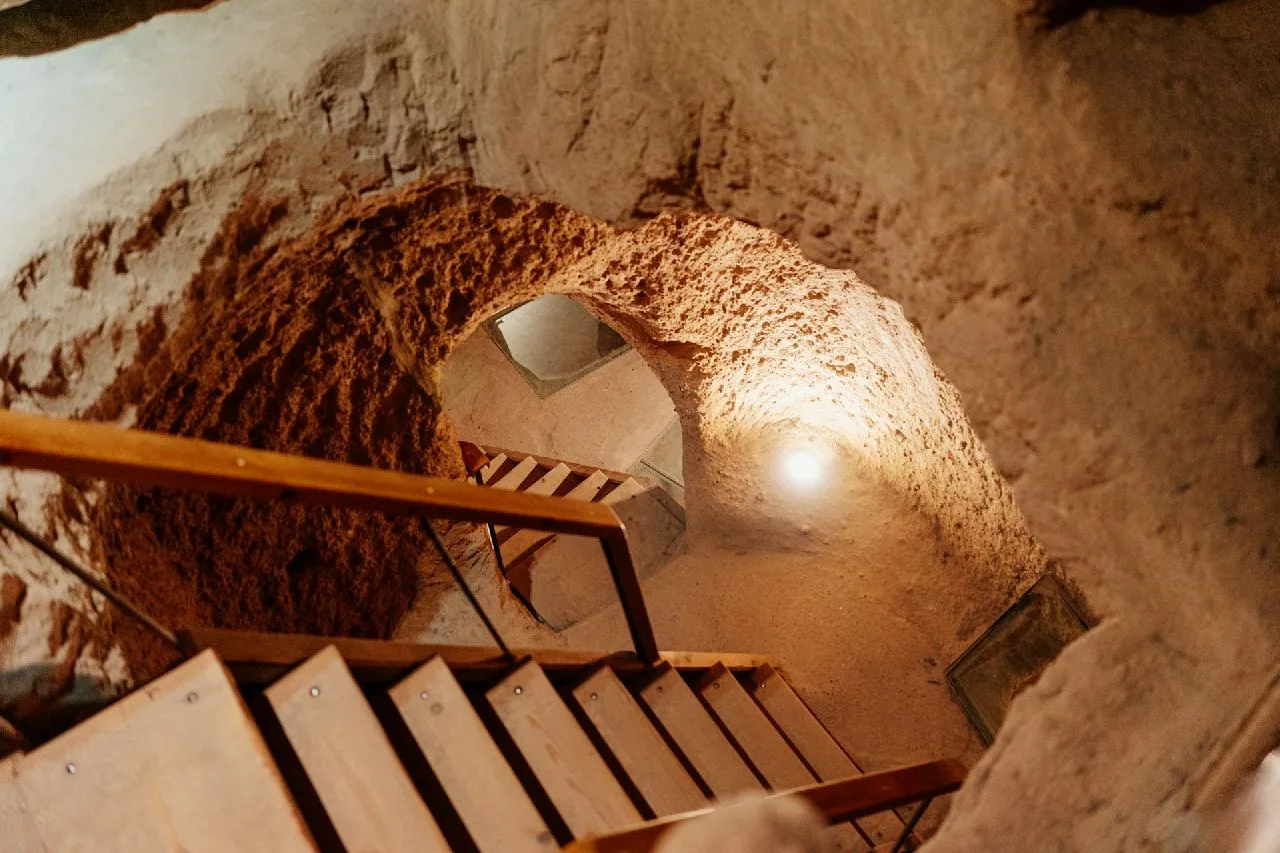
Derinkuyu is one of the largest underground cities in the world. It is located in the Cappadocia region of Turkey. This city goes down about 60 meters (200 feet) deep and could shelter up to 20,000 people. The tunnels connect homes, kitchens, churches, and even wineries.
Key features of Derinkuyu include:
- Multiple floors: Around 18 levels underground.
- Ventilation shafts: Provide fresh air to deep chambers.
- Defense systems: Large stone doors could seal the city from invaders.
Derinkuyu was likely built to protect residents from attacks. It also allowed people to live comfortably underground for long periods. Visitors today can walk through the narrow tunnels and explore ancient rooms. The city shows how ancient communities lived underground safely and smartly.
Beijing Underground City, China
The Beijing Underground City is a secret military complex built during the Cold War. This underground network covers around 85 square kilometers beneath the city. It was designed as a shelter in case of nuclear war or attacks. Though never used for war, it remains a fascinating place to visit.
Interesting facts about Beijing Underground City:
- Built in the 1970s with tunnels, rooms, and factories.
- Includes: Hospitals, schools, and shops underground.
- Hidden entrances blend into the city above.
Visitors can see parts of the tunnels open to the public. The city shows how people prepared for danger during tense times. It also highlights impressive engineering and planning skills.
Montreal’s Reso, Canada
Montreal’s RESO, also known as the Underground City, is a vast shopping and transit network beneath downtown Montreal. It stretches over 32 kilometers of tunnels connecting buildings, malls, hotels, and metro stations. The RESO keeps people warm and dry during cold Canadian winters.
Main features of RESO include:
| Feature | Description |
|---|---|
| Length | Over 32 kilometers of tunnels |
| Connections | More than 160 buildings linked |
| Facilities | Shops, restaurants, metro stations, offices |
| Purpose | Protection from harsh weather |
The RESO is lively and busy, especially in winter. It is a modern underground city where people work, shop, and travel without stepping outside. This city is a great example of how underground spaces can serve daily urban life.
Hidden Gems Around The World
Underground cities offer a unique glimpse into human history and ingenuity. Many ancient and modern societies built entire communities below the surface. These hidden gems around the world provide fascinating experiences for travelers. They combine mystery, architecture, and culture in one place. Visiting these sites lets you explore cool tunnels, homes, and secret shelters. Each underground city has its own story and charm. Discover three remarkable spots where you can walk beneath the earth and see history come alive.
Setenil De Las Bodegas, Spain
Setenil de las Bodegas is a small town famous for its houses built into large rock overhangs. This unique structure makes it one of the most interesting underground cities you can visit. The town’s streets run along a river and are shaded by massive cliffs. People have lived here since the Roman times, using natural caves as homes and storage.
Key features of Setenil de las Bodegas:
- Houses integrated with rock formations
- Cool temperatures inside homes all year
- Picturesque narrow streets and whitewashed buildings
- Rich history dating back over 2,000 years
Visitors enjoy walking the streets where natural caves serve as living rooms and shops. The town’s design helps protect residents from summer heat and winter cold. Local restaurants offer traditional Spanish dishes in cave-like settings, enhancing the experience. Setenil de las Bodegas blends nature and architecture in a way few places do.
Naours Caves, France
Naours Caves is a vast underground city carved from soft chalk beneath the Picardy region. This network of tunnels and rooms once sheltered thousands during wars and invasions. The caves extend over three kilometers and contain over 300 chambers. People used Naours as a refuge from Vikings and later conflicts.
Highlights of Naours Caves include:
- Underground chapels and living quarters
- Secret passages and hidden doors
- Historical exhibits explaining life underground
- Guided tours available in multiple languages
The caves feel like a small city below ground, complete with stables and wells. Visitors can see where families lived for weeks during attacks. The cool, dark tunnels create a mysterious atmosphere. Naours Caves is a perfect example of how people adapted to survive in difficult times.
Burlington Bunker, Uk
Burlington Bunker is a Cold War-era underground city built to protect the British government during a nuclear attack. Located in Corsham, England, this secret bunker covers 35 acres underground. It was designed to house 4,000 people, including the Prime Minister and key officials. Today, parts of the bunker are open for tours, revealing a tense moment in history.
Important facts about Burlington Bunker:
| Feature | Description |
|---|---|
| Size | 35 acres of underground tunnels and rooms |
| Capacity | Designed for 4,000 people |
| Purpose | Government continuity during nuclear war |
| Features | Communication centers, living quarters, air filtration |
Visitors learn about Cold War fears and the effort to stay safe underground. The bunker shows advanced engineering and planning from the 1950s. Exploring Burlington Bunker offers insight into a hidden world beneath the English countryside.
Historical Significance
Underground cities hold a unique place in history. These hidden labyrinths reveal how ancient people adapted to their environment. Their historical significance lies in their multi-purpose use, from protection to daily life. Visiting these cities today offers a glimpse into the past and the ingenuity of early civilizations. These underground networks were not just shelters but centers of culture, trade, and faith. Understanding their historical roles helps us appreciate their value beyond mere curiosity.
Ancient Shelter And Defense
Many underground cities were built as safe havens during times of war and invasion. They provided refuge from enemies and harsh weather. The design of these cities included narrow tunnels and strong doors to block invaders.
- Protection: Thick walls and hidden entrances kept people safe.
- Escape Routes: Secret passages allowed quick exits if needed.
- Ventilation Systems: Air shafts ensured fresh air for long stays.
One famous example is the underground city in Cappadocia, Turkey. It could house thousands and had rooms for living, storage, and defense. The layout included traps and false doors to confuse enemies.
| Feature | Purpose |
|---|---|
| Heavy stone doors | Block enemy entry |
| Long tunnels | Connect rooms and hide movement |
| Traps | Protect from attackers |
These cities show how ancient people prioritized survival through clever engineering. Their construction involved careful planning to withstand sieges.
Trade And Living Spaces
Underground cities were more than shelters. They served as thriving communities with markets and homes. Traders used these spaces to protect goods and continue business during unstable times.
Living underground offered constant temperature and safety from natural disasters. People built kitchens, stables, and storage rooms to support daily life.
- Markets: Areas for buying and selling goods.
- Homes: Spaces for families to live and work.
- Workshops: Places for crafting and trade activities.
These cities often had wells and water storage to support residents. The underground layout allowed easy access to different sections.
| Living Space | Function |
|---|---|
| Storage rooms | Keep food and supplies fresh |
| Stables | House animals safe from weather |
| Workshops | Produce goods for trade |
The ability to live and trade underground helped ancient communities survive difficult periods. It allowed a steady flow of goods and social interaction.
Religious And Ritual Sites
Some underground cities contain spaces dedicated to worship and rituals. These areas were often hidden for privacy and protection.
Religious rooms featured altars, carvings, and symbols important to the community’s beliefs. These spaces allowed people to practice faith safely during persecution or conflict.
- Chapels: Small places for prayer and ceremonies.
- Symbols: Wall art representing gods or spirits.
- Gathering rooms: Areas for group rituals.
In several underground cities, archaeologists found frescoes and carvings that reveal cultural and spiritual life. These findings provide insight into ancient traditions.
| Religious Feature | Purpose |
|---|---|
| Altars | Place for offerings and prayers |
| Frescoes | Visual storytelling of beliefs |
| Hidden chambers | Private worship spaces |
These underground religious sites highlight the spiritual importance of these cities. They show how faith remained strong despite challenges.
Tourist Experience Tips
Exploring underground cities offers a unique adventure beneath the surface. These hidden worlds reveal history, culture, and mystery. To enjoy your visit fully, some useful tourist experience tips can help. Knowing the best time to visit, choosing between guided tours or self-exploration, and understanding safety and accessibility are key. These tips make your trip safer, smoother, and more fun.
Best Time To Visit
Choosing the right time to visit underground cities improves your experience. Many of these sites can be crowded, especially during holidays and weekends. Visiting during off-peak hours means fewer crowds and better photos.
- Spring and fall offer mild weather and fewer tourists.
- Weekdays tend to be less busy than weekends.
- Early morning visits often allow a quieter atmosphere.
Some underground cities have temperature differences compared to above ground. They usually stay cool in summer and warm in winter. Dress in layers to stay comfortable during your visit.
| Season | Advantages | Disadvantages |
|---|---|---|
| Spring | Fewer tourists, pleasant weather | Some rain possible |
| Summer | Longer daylight, many events | More crowds, higher temperatures outside |
| Fall | Cool weather, less busy | Shorter days |
| Winter | Least crowded, quiet visits | Cold outside, possible closures |
Guided Tours Vs Self Exploration
Deciding how to explore underground cities depends on your style and goals. Guided tours give detailed stories and safety support. Self exploration offers freedom and discovery at your own pace.
Guided Tours advantages:
- Learn history and facts from experts
- Access to restricted areas
- Group safety and support
Self Exploration
- Explore freely without time limits
- Focus on what interests you most
- Often cheaper or free entry
Some underground cities require guides for safety reasons. Others have clear maps and signs for visitors to roam freely. Check rules before your visit. A mix of both can work too—start with a guided tour, then return to explore alone.
Safety And Accessibility
Safety is important in underground cities. Some areas have narrow tunnels, low ceilings, or uneven floors. Wear comfortable shoes and watch your step. Bring a flashlight if allowed, as lighting can be dim.
Accessibility varies widely. Some cities offer ramps and elevators for visitors with mobility challenges. Others have stairs or rough paths that may be difficult to navigate. Contact the site before your visit to learn about facilities.
| Safety Tip | Details |
|---|---|
| Wear sturdy shoes | Protect your feet on uneven surfaces |
| Bring a light source | Helps see in darker areas |
| Follow signs and guides | Stay on safe paths |
| Watch your head | Some tunnels have low ceilings |
| Check accessibility | Plan for stairs or ramps as needed |
Keep children close and avoid touching walls or artifacts. Listen carefully to instructions from guides or staff. These steps help keep you safe and preserve the site for others.
Modern Uses Of Underground Spaces
Underground cities are no longer just ancient relics or places for emergency shelters. Many cities around the world use underground spaces for everyday activities. These spaces make cities smarter and more efficient. They offer protection from weather, reduce surface crowding, and create unique environments for work and play. Modern uses of underground spaces show how urban life adapts and grows in new ways.
Commercial And Shopping Centers
Underground commercial and shopping centers are common in busy cities. These spaces provide a cool, quiet place away from traffic and noise. Shoppers enjoy a safe and comfortable environment all year round. Many underground malls have:
- Retail stores selling clothes, electronics, and more
- Food courts with diverse options
- Entertainment areas like cinemas and arcades
- Easy access to public transport
These centers often connect to office buildings and subway stations. This connection helps workers and shoppers move quickly and safely. Some famous underground malls include Toronto’s PATH and Montreal’s RESO. Below is a simple comparison of features in two popular underground shopping areas:
| Feature | Toronto PATH | Montreal RESO |
|---|---|---|
| Number of Shops | 1,200+ | 1,600+ |
| Connected Buildings | 50+ | 80+ |
| Length (km) | 30 | 33 |
Underground shopping centers are practical. They keep city life moving smoothly below the streets.
Transportation Hubs
Underground spaces are essential for transportation hubs. These hubs connect buses, trains, and subways. Underground stations reduce street traffic and help people travel faster. They often have:
- Multiple train and subway lines
- Ticket counters and automated machines
- Shops and cafes for commuters
- Clear signs and maps for easy navigation
Many large cities use underground hubs to manage millions of passengers daily. These hubs improve safety by separating pedestrians from cars. Some have underground walkways linking to offices and shopping centers. The table below shows key features of two major underground transportation hubs:
| Feature | New York Grand Central Terminal | London King’s Cross St Pancras |
|---|---|---|
| Daily Passengers | 750,000+ | 250,000+ |
| Number of Lines | 12 | 6 |
| Underground Platforms | 44 | 12 |
These underground hubs keep cities connected and moving efficiently. They are vital to modern urban life.
Urban Farming And Storage
Underground spaces serve urban farming and storage needs. Farming underground saves land and controls the environment. It uses less water and grows food all year. These farms use special lights and climate control. Benefits include:
- Fresh vegetables close to city markets
- Reduced food transport costs and pollution
- Efficient use of space in crowded cities
Urban storage underground keeps goods safe and cool. It is ideal for food, wine, and other perishables. Storage spaces also protect important documents and art. Below is a list of common underground farming and storage uses:
- Hydroponic vegetable farms
- Mushroom cultivation
- Cold storage for fruits and dairy
- Wine cellars and aging rooms
- Secure storage for valuables
Urban underground spaces help cities grow food and store goods smartly. They support sustainability and reduce waste.
Frequently Asked Questions
What Are The Most Famous Underground Cities To Visit?
The most famous underground cities include Derinkuyu in Turkey, Montreal’s RESO in Canada, and Cappadocia’s cave towns. These places offer rich history and unique experiences for travelers worldwide.
How Do Underground Cities Stay Safe For Tourists?
Underground cities have sturdy construction, ventilation systems, and guided tours ensuring visitor safety. Local authorities regularly maintain these sites for structural integrity.
Can You Explore Underground Cities Year-round?
Most underground cities remain open year-round, providing a cool escape in summer and warmth in winter. Check local schedules for any seasonal closures or special events.
What Should I Bring When Visiting An Underground City?
Bring comfortable shoes, a flashlight, and a camera. Dress in layers as temperatures underground can be cooler than outside.
Conclusion
Exploring underground cities offers a unique travel experience. These hidden places show history and culture in a new way. Walking through tunnels and rooms feels like stepping back in time. Each city has its own story to tell. Visiting them can surprise and inspire you.
Plan your trip carefully to enjoy every moment safely. Discover the mystery beneath the surface. Adventure awaits below the ground.

Hi, I’m Lily, a travel writer based in the UK who loves exploring everything from familiar hometown gems to the varied landscapes across Europe. Whether I’m strolling through charming coastal villages or hopping trains across the continent, I’m always on the lookout for authentic, unexpected stories and experiences.
My writing style is simple and relatable—think no-fuss guides to finding the best pasty in Cornwall or stress-free tips for getting around European cities. If there’s a great view, tasty food, or a bit of history involved, chances are I’m already scribbling notes about it.