

Last Updated on
Wander Boldly, Stay Well: Your Guide to Thriving on the Road
Solo travel is a journey of self-discovery, independence, and profound cultural immersion. To truly embrace the transformative power of wandering boldly, maintaining your physical and mental well-being is non-negotiable. While the thrill of a new destination is intoxicating, the disruption to your routine, exposure to new environments, and the challenges of being on your own can take a toll on your health. A sudden illness can quickly derail even the most carefully planned adventure, turning a dream trip into a stressful ordeal.
This comprehensive guide moves beyond generic advice to provide a strategic blueprint for staying healthy while traveling. We will delve into eight critical areas, offering actionable, evidence-based strategies specifically designed for the solo adventurer. From mastering safe hydration in remote locations and practicing diligent food safety to fortifying your mental resilience and managing jet lag, these tips will empower you to not just travel, but to thrive.
Following these practical steps ensures your focus remains on the incredible experiences ahead, allowing you to explore with confidence and return home with memories that are memorable for all the right reasons. Your health is the foundation of every great journey.
1. Stay Hydrated with Safe Water Sources
Maintaining proper hydration is a cornerstone of staying healthy while traveling, yet it’s often complicated by the need to ensure water safety. Travel naturally disrupts our routines, and factors like shifting climates, increased physical activity, and long transit days can accelerate dehydration. This can lead to fatigue, headaches, and a weakened immune system. Compounding this, tap water in many destinations isn’t safe for consumption, making contaminated water a primary cause of traveler’s diarrhea and other serious waterborne illnesses.
The Two-Fold Challenge: Hydration and Purification
The key is to drink ample fluids without exposing yourself to harmful bacteria, viruses, and protozoa. Simply increasing your water intake isn’t enough if the source is unsafe. This is where modern purification technology becomes an essential tool for any solo traveler. A backpacker trekking through rural Thailand might use a UV sterilization pen to purify water from a local tap, while a business traveler in a major city can use a portable filter bottle to improve the taste and safety of hotel water. Likewise, an adventure tourist on a remote mountain trail will rely on purification tablets as a lightweight, effective backup.
The following infographic highlights just how critical safe water access is for global travelers.
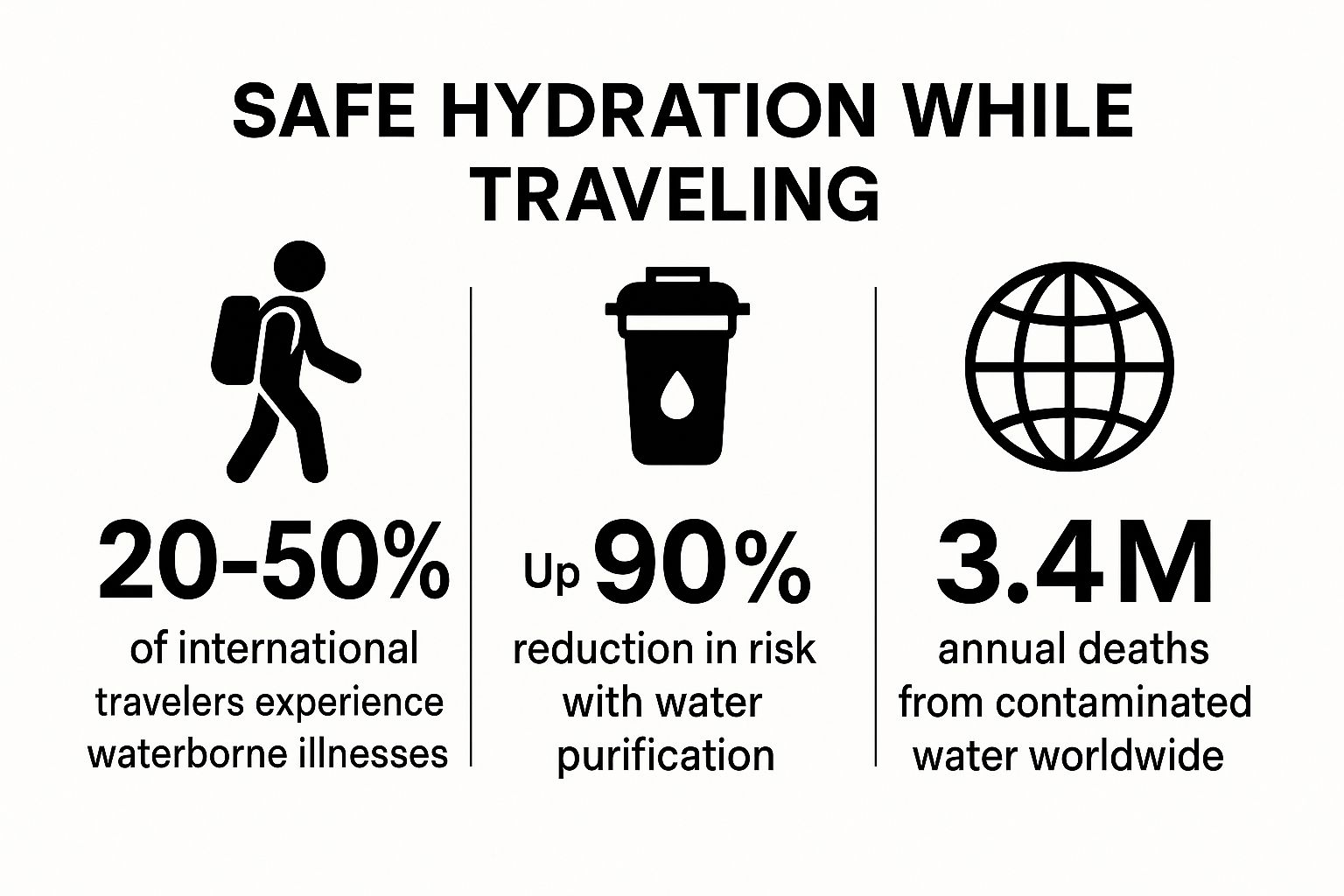
These statistics underscore a stark reality: unsafe water is not just an inconvenience but a significant global health risk that directly impacts travelers.
Practical Strategies for Safe Hydration
Integrating safe water practices into your travel routine is simple with a little preparation. To ensure you always have access to safe water, consider carrying a reusable bottle from a collection of unique water bottles and travel mugs which can be filled with purified water throughout the day.
Follow these actionable tips to stay hydrated safely:
- Trust Sealed Bottles: When buying water, always choose bottles with an intact factory seal.
- Purify or Boil: If you must use tap water, boil it for at least one full minute or use a trusted purification method like a filter, UV sterilizer, or chemical tablets.
- Beware of Ice: Avoid ice in your drinks unless you can confirm it was made with purified water, as freezing does not kill most pathogens.
- Practice Dental Hygiene Safely: Use bottled or purified water for brushing your teeth to avoid accidentally swallowing contaminated water.
- Monitor Your Body: A simple way to check your hydration is to monitor your urine color. Pale yellow indicates good hydration, while dark yellow is a clear sign you need to drink more water.
2. Practice Proper Hand Hygiene and Sanitization
Proper hand hygiene is one of the most effective ways to prevent the spread of infectious diseases, making it an essential practice for staying healthy while traveling. As a traveler, you are constantly exposed to countless pathogens on public transportation, in accommodations, and at dining establishments. Diligent handwashing and the strategic use of hand sanitizer can significantly reduce your risk of getting sick, with studies showing it can lower the incidence of respiratory and gastrointestinal illnesses by up to 50%.
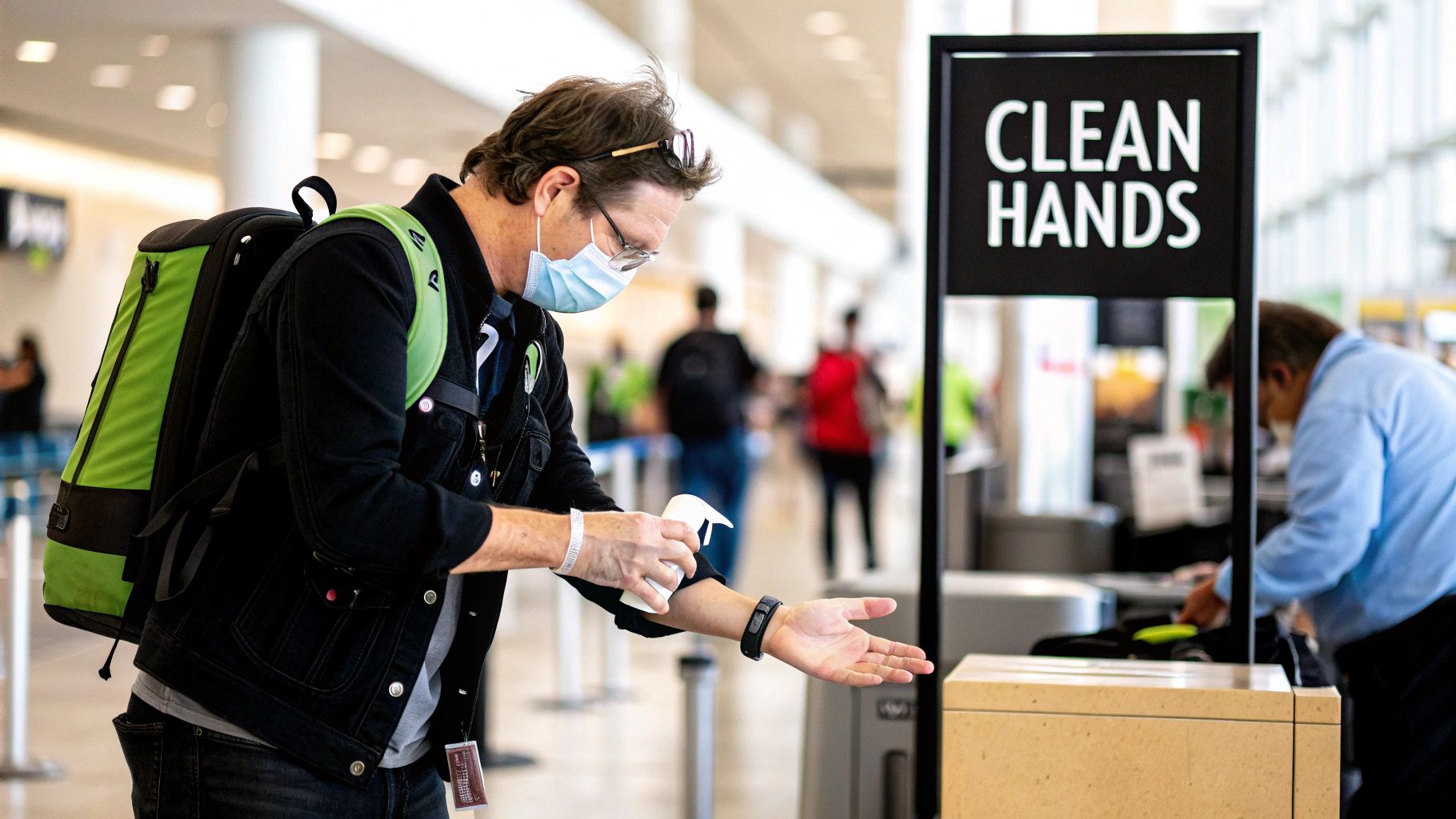
This simple act acts as a powerful barrier between you and the germs that cause common travel ailments like the flu, the common cold, and traveler’s diarrhea.
The First Line of Defense: Soap, Water, and Sanitizer
The core challenge is maintaining cleanliness when your routine is disrupted and access to facilities is inconsistent. Simply rinsing your hands is not enough; effective hygiene requires either thorough washing with soap and water or the correct application of an alcohol-based hand sanitizer. For example, a solo traveler on an overnight train can use hand sanitizer before eating a packed meal, while someone exploring a bustling market can wash their hands at a public restroom before sampling local street food. The key is to make hygiene a conscious, frequent habit.
The following video from the World Health Organization (WHO) demonstrates the proper technique for handwashing, a skill popularized by global health campaigns and travel medicine specialists.
Mastering this technique is a fundamental step in protecting your health on the road.
Practical Strategies for On-the-Go Hygiene
Integrating robust hand hygiene into your travel plans is straightforward and highly effective. Maintaining this habit is a key component of personal security, and you can learn more about general travel safety for solo adventurers.
Follow these actionable tips to keep your hands clean and minimize germ exposure:
- Wash Thoroughly and Often: Wash hands with soap and water for at least 20 seconds before eating, after using the restroom, and after touching high-contact public surfaces like door handles or subway poles.
- Carry Hand Sanitizer: Always have a travel-sized hand sanitizer with at least 60% alcohol content for situations where soap and water are not available.
- Avoid Touching Your Face: Make a conscious effort to avoid touching your eyes, nose, and mouth, as this is a primary way germs enter the body.
- Sanitize After Handling Money: Use hand sanitizer after handling cash, tickets, or any shared equipment like ATM keypads or gym machines.
- Pack Moisturizer: Frequent washing and sanitizing can dry out your skin, so pack a good hand cream to prevent cracking and irritation.
3. Maintain a Balanced Diet and Food Safety Awareness
Nutrition and food safety are critical for staying healthy while traveling. Experiencing local cuisine is a highlight of any trip, but it also introduces risks. Poor dietary choices can lead to nutrient deficiencies and digestive upset, while lax food safety standards can cause severe foodborne illnesses, which derail travel plans and compromise your well-being. A mindful approach to eating allows you to enjoy new flavors without sacrificing your health.
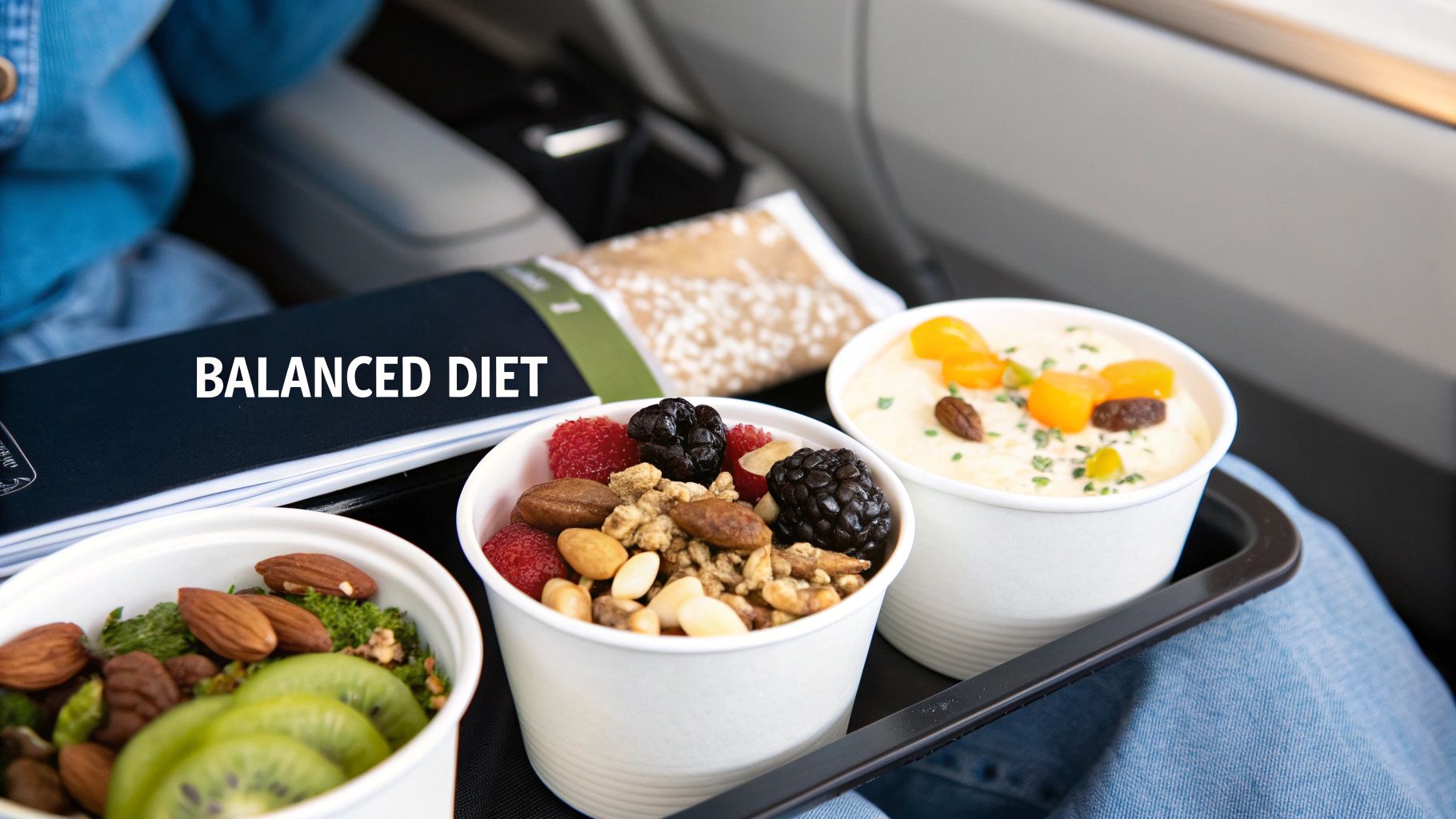
The Two-Fold Challenge: Nutrition and Prevention
The goal is to nourish your body adequately while actively avoiding foodborne pathogens. This means being selective about what and where you eat. A digital nomad in Southeast Asia might use a food safety app to vet street food stalls, ensuring they choose vendors with high turnover and visible hygiene practices. Similarly, an adventure traveler on a multi-day trek will adhere to the “cook it, peel it, or forget it” rule, while an international business traveler might pack probiotics to maintain digestive balance amidst a hectic schedule of restaurant meals.
Practical Strategies for Safe and Healthy Eating
Integrating safe eating habits into your travel routine is straightforward with some forethought and discipline. To support your digestive system, it’s wise to focus on gut-friendly foods. Prioritizing your gut health is essential while traveling; learn about the best foods for gut health to fortify your system against unfamiliar bacteria and dietary changes.
Follow these actionable tips for a healthy travel diet:
- Choose Hot and Fresh: Opt for food that is served steaming hot, as high temperatures kill most harmful bacteria. Avoid lukewarm buffet items or food that appears to have been sitting out.
- Peel It Yourself: Stick to fruits and vegetables that you can peel yourself, such as bananas, oranges, and avocados. This removes surface contaminants. Avoid pre-cut fruits and raw salads.
- Be Cautious with Meat and Dairy: Only consume meat and seafood that is thoroughly cooked. Avoid unpasteurized dairy products, which can carry dangerous bacteria like Listeria and Salmonella.
- Pack Smart Snacks: Carry non-perishable, healthy snacks like nuts, seeds, dried fruit, and protein bars. These provide reliable energy and nutrition when safe, healthy meals aren’t readily available.
- Support Your Gut: Consider taking a high-quality probiotic supplement starting a week before your trip and continuing throughout to help maintain a healthy gut microbiome.
4. Get Adequate Sleep and Manage Jet Lag
Prioritizing quality sleep is a critical component of staying healthy while traveling, directly influencing your immune system, cognitive function, and overall well-being. Travel, especially across multiple time zones, disrupts our natural circadian rhythms, leading to jet lag. This desynchronization can cause profound fatigue, digestive upset, and mental fog, making you more vulnerable to illness. In fact, significant sleep deprivation can weaken your immune response by up to 70%, compromising your ability to enjoy your trip and stay safe.
The Two-Fold Challenge: Rest and Realignment
The core challenge is securing enough restorative sleep while actively managing your body’s internal clock to align with your new destination. Simply sleeping when you feel tired isn’t always the best strategy; you must also guide your body to adapt. For instance, a business traveler flying from New York to Tokyo might use a light therapy device upon waking to signal “daytime” to their brain. Similarly, digital nomads who frequently change locations create consistent pre-sleep routines, like reading or meditating, to signal “bedtime” regardless of their current time zone.
NASA’s extensive research into circadian rhythm management for astronauts highlights the scientific basis for these strategies. This research, along with work by sleep specialists like Dr. Matthew Walker, has been popularized and made accessible through travel-focused apps like Timeshifter, which create personalized jet lag plans. These tools underscore the importance of proactively managing sleep rather than passively reacting to fatigue.
Practical Strategies for Better Travel Sleep
Integrating a sleep-focused strategy into your travel plan can dramatically improve your experience. To learn more about specific techniques for creating a restful environment on the road, explore these tips on how to get better sleep when you travel for more in-depth guidance.
Follow these actionable tips to combat jet lag and improve sleep quality:
- Adjust in Advance: Begin shifting your sleep and wake times by 30-60 minutes each day for 2-3 days before your departure, moving closer to your destination’s time zone.
- Control Your Environment: Pack an eye mask, earplugs, or use a white noise app to block out disruptive light and sound in unfamiliar accommodations.
- Leverage Light Exposure: When you arrive, seek out bright, natural sunlight during the morning and afternoon to help reset your internal clock. Avoid bright light in the evening.
- Mind Your Intake: Avoid caffeine and alcohol for several hours before your intended bedtime, as they can interfere with sleep quality and duration.
- Consider Melatonin Strategically: After consulting a healthcare provider, a low dose of melatonin can help signal bedtime to your brain when taken about 30 minutes before you want to sleep in your new time zone.
- Hydrate Smartly: Drink plenty of water throughout the day to stay hydrated but reduce your fluid intake an hour or two before bed to prevent waking up.
5. Stay Physically Active and Exercise Regularly
Maintaining physical activity is a critical component of staying healthy while traveling, directly supporting cardiovascular health, boosting immune function, and enhancing mental well-being. Travel often introduces long periods of sitting during transit and can disrupt established exercise routines, leading to muscle stiffness, fatigue, and even increased risk of conditions like deep vein thrombosis (DVT). Regularly incorporating movement counteracts these negative effects, boosting your energy levels and mood for a more enjoyable trip.
The Two-Fold Challenge: Accessibility and Motivation
The primary challenge is finding both the opportunity and the motivation to exercise when your schedule is unpredictable and your environment is unfamiliar. A structured gym routine may not be feasible, so the key is to adapt and integrate physical activity into your travel plans seamlessly. This means shifting your mindset from dedicated “workout sessions” to a more holistic approach of “active exploration.”
By viewing walking, hiking, and even climbing stairs as part of your fitness regimen, you can effortlessly meet your activity goals. For solo travelers, this is also a fantastic way to discover new places. Consider looking into some of the best solo travel destinations for outdoor adventure to combine your fitness goals with exploration.
Practical Strategies for Staying Active
Making activity a priority doesn’t require a lot of equipment or time. With a bit of creativity, you can keep your body moving no matter where your travels take you.
Follow these actionable tips to maintain your fitness on the road:
- Move During Transit: On long flights or train rides, perform simple exercises like calf raises, ankle circles, and shoulder rolls every hour to improve circulation. Get up and walk the aisle when possible.
- Pack Portable Gear: Lightweight equipment like resistance bands or a jump rope can turn any hotel room into a personal gym.
- Leverage Technology: Use fitness apps like Nike Training Club or 7 Minute Workout for guided bodyweight exercises that require no equipment.
- Choose Active Exploration: Opt to walk or bike to explore a new city instead of relying solely on public transport or taxis. This is often the best way to discover hidden gems.
- Use Your Environment: Always take the stairs instead of the elevator or escalator. Look for local parks for a morning jog or research safe walking routes online before you arrive.
6. Protect Yourself from Sun and Environmental Hazards
Environmental protection is a critical, yet often overlooked, component of staying healthy while traveling. Exposure to unfamiliar elements like intense sun, extreme temperatures, poor air quality, and high altitude can cause immediate discomfort and pose long-term health risks. UV radiation, for example, is significantly stronger at higher altitudes and when reflected off water or snow, while air pollution in many popular urban destinations far exceeds safe levels. Shielding yourself from these hazards is essential for preventing skin damage, heat-related illnesses, and respiratory issues.
The Multi-faceted Challenge: Sun, Air, and Altitude
The key to environmental protection is a proactive, multi-layered defense against a range of invisible threats. Simply applying sunscreen once in the morning is insufficient for a day spent exploring. A traveler on a beach vacation in Southeast Asia needs to combat both intense UV rays and high humidity, while someone trekking in the Andes must manage high-altitude sun exposure and the physiological effects of thinner air. Likewise, an urban explorer in a megacity like Delhi or Beijing needs to actively monitor air quality to avoid respiratory distress.
These varied risks demand a comprehensive approach. To effectively protect yourself from the sun while traveling, it’s essential to understand how to best prepare your skin for sun exposure and consider options for choosing the best sunscreen for your skin.
Practical Strategies for Environmental Safety
Integrating environmental awareness into your travel plans is straightforward with the right preparation. A little foresight can prevent everything from a painful sunburn to a serious case of altitude sickness.
Follow these actionable tips to stay safe from environmental hazards:
- Prioritize Sun Safety: Apply a broad-spectrum sunscreen with at least SPF 30+ generously and reapply every two hours, or more frequently if swimming or sweating.
- Cover Up: Wear UV-protective clothing, a wide-brimmed hat, and sunglasses to physically block harmful rays. Seek shade during peak sun hours, typically between 10 AM and 4 PM.
- Monitor Air Quality: Use a reliable air quality index (AQI) app for your destination. On days with high pollution, limit strenuous outdoor activities or wear a mask designed to filter pollutants.
- Acclimatize Gradually: When traveling to high-altitude locations (above 8,000 feet), ascend slowly. A general rule is to not increase your sleeping elevation by more than 1,600 feet per day.
- Dress for the Climate: In hot and humid conditions, wear loose-fitting, light-colored clothing made of breathable fabrics like cotton or linen to help your body stay cool.
7. Pack a Comprehensive Travel Health Kit
Having immediate access to essential medications and first-aid supplies is a crucial part of staying healthy while traveling. A well-stocked travel health kit acts as your personal, portable pharmacy, allowing you to manage common ailments swiftly before they disrupt your trip. The reality of travel is that medications available over-the-counter at home might be prescription-only, difficult to find, or even counterfeit in other countries. Having your own trusted supplies can mean the difference between a minor inconvenience and a major medical issue.
The Two-Fold Challenge: Self-Sufficiency and Preparedness
The core principle is to be prepared for minor health problems without needing to navigate a foreign pharmacy or clinic under duress. This is about more than just having a few bandages; it’s about self-sufficiency. For instance, a hiker on a remote trail in Patagonia needs a kit to treat blisters and manage allergies far from medical help.
Similarly, a solo traveler exploring markets in Southeast Asia can immediately address an upset stomach with their own anti-diarrheal medication, preventing dehydration and further complications. This proactive approach ensures you can handle the majority of minor travel health issues on your own.
A well-organized kit provides peace of mind and is a fundamental component of safe and responsible travel.
Practical Strategies for Building Your Kit
Assembling a personalized health kit requires thinking ahead about your destination and personal health needs. For a more detailed guide on what to include, you can explore comprehensive packing lists which often highlight these essential items for women travelers.
Follow these actionable tips to build an effective travel health kit:
- Include Core Medications: Pack pain relievers (like ibuprofen), antihistamines for allergic reactions, anti-diarrheal medication, and a motion sickness remedy if you’re prone to it.
- Carry Prescription Drugs Safely: Always keep prescription medications in their original labeled containers. Bring enough for your entire trip, plus a little extra in case of delays.
- Pack Basic First-Aid Items: Your kit should contain adhesive bandages, antiseptic wipes, gauze, medical tape, tweezers, and a digital thermometer.
- Document Your Health: Carry copies of your prescriptions, a letter from your doctor detailing your conditions, and contact information for your physician and travel insurance provider.
- Research Destination Rules: Before you go, verify that all your medications, both prescription and over-the-counter, are legal to bring into your destination country.
8. Stay Updated with Vaccinations and Health Precautions
Proper vaccination and health precautions are fundamental to staying healthy while traveling. This proactive approach acts as a vital shield, preventing serious diseases that may be rare in your home country but are common at your destination. Planning ahead is crucial, as some vaccinations require multiple doses administered over weeks or even months to be effective, while others need timely boosters to maintain immunity. Neglecting this step can expose you to preventable illnesses, turning an adventure into a medical emergency.
The Two-Fold Challenge: Prevention and Preparation
The core challenge lies in both preventing infection through immunization and preparing for region-specific health risks. It’s not just about getting shots; it’s about understanding the unique health landscape of your destination. For instance, a traveler on an African safari might need yellow fever and meningitis vaccinations, with yellow fever being a mandatory entry requirement for some nations. In contrast, a backpacker exploring rural Southeast Asia would be advised to get typhoid and Japanese encephalitis shots, especially if their itinerary involves extended stays in agricultural areas. Humanitarian workers often need even more comprehensive vaccination protocols due to close community contact.
This highlights a critical reality: your itinerary directly dictates your health preparation. Staying healthy while traveling isn’t just about what you do on the trip, but the essential homework you complete before you even pack your bags.
Practical Strategies for Proactive Health Protection
A well-planned health strategy starts long before your departure date. By taking systematic steps, you can significantly reduce your risk of contracting a travel-related illness and ensure you meet any legal entry requirements for your destinations. You can also explore safer European destinations which may have different health advisories.
Follow these actionable tips for comprehensive health preparedness:
- Consult a Specialist: Schedule an appointment with a travel medicine specialist or your doctor 4-6 weeks before you leave to discuss your itinerary and necessary immunizations.
- Update Routine Vaccines: Ensure all your routine vaccinations, such as MMR (measles, mumps, rubella), Tdap (tetanus, diphtheria, pertussis), and the annual flu shot, are up to date, regardless of your destination.
- Research Specific Risks: Use resources like the CDC and WHO to research health risks specific to the countries and regions you’ll be visiting, including any recent disease outbreaks.
- Carry Your Records: Always travel with your vaccination records, especially your International Certificate of Vaccination or Prophylaxis (the “yellow card”) if you received the yellow fever vaccine.
- Consider Malaria Prophylaxis: If traveling to a high-risk area, discuss antimalarial medication options with your doctor and follow the prescribed regimen precisely.
8-Key Strategies for Healthy Travel Comparison
| Item | Implementation Complexity 🔄 | Resource Requirements ⚡ | Expected Outcomes 📊 | Ideal Use Cases 💡 | Key Advantages ⭐ |
|---|---|---|---|---|---|
| Stay Hydrated with Safe Water Sources | Moderate – requires equipment and methods | Moderate – purification gear, bottled water | High – up to 90% reduction in waterborne illness | Travelers in regions with unsafe water sources | Strong protection against dehydration and illness |
| Practice Proper Hand Hygiene and Sanitization | Low – simple hygiene habits | Low – soap, hand sanitizer | Moderate – reduces illness risk by up to 50% | All travelers, especially in crowded/public areas | Cost-effective, easy to implement, broad pathogen protection |
| Maintain a Balanced Diet and Food Safety Awareness | Moderate – requires knowledge and vigilance | Moderate – access to safe food, probiotics | Moderate – prevents foodborne illness and maintains nutrition | Travelers seeking to avoid food-related illnesses | Supports immune function, prevents digestive issues |
| Get Adequate Sleep and Manage Jet Lag | Moderate – involves behavioral adjustments | Low to moderate – sleep aids and environment optimization | High – maintains immunity and cognitive function | Long-haul travelers crossing time zones | Enhances mood, reduces illness risk, improves safety |
| Stay Physically Active and Exercise Regularly | Moderate – requires planning and consistency | Low – minimal or no equipment needed | High – reduces DVT risk by 75%, improves mood | All travelers, especially on long trips | Improves cardiovascular health, stress relief |
| Protect Yourself from Sun and Environmental Hazards | Moderate – requires protective gear and monitoring | Moderate to high – sunscreen, clothing, masks | High – reduces skin cancer risk, prevents heat illness | Travelers to sunny, polluted, or high-altitude areas | Comprehensive environmental health protection |
| Pack a Comprehensive Travel Health Kit | Low to moderate – preparation needed | Moderate – medications and supplies | High – immediate treatment of common ailments | All travelers, especially remote or long-term | Ensures prompt care, avoids counterfeit meds |
| Stay Updated with Vaccinations and Health Precautions | Moderate to high – scheduling and access required | Moderate to high – cost and time for vaccines | Very high – prevents serious infectious diseases | Travelers to high-risk or regulated destinations | Essential for disease prevention and travel compliance |
Your Healthiest Adventure Awaits
Navigating the globe as a solo traveler is an unparalleled experience, a journey of self-discovery, cultural immersion, and pure freedom. Yet, the true key to unlocking the most profound and rewarding adventures lies not just in your itinerary, but in your well-being. Staying healthy while traveling isn’t a restrictive chore; it’s the ultimate enabler, the foundation upon which every unforgettable memory is built. It’s the difference between merely surviving your trip and truly thriving in it.
The strategies we’ve explored, from meticulous hydration and food safety to prioritizing sleep and movement, are more than just a checklist. They are interconnected pillars that support a robust, resilient travel practice. Think of them as your personal toolkit for navigating the unpredictable nature of the road with confidence and strength.
Key Takeaways for the Empowered Traveler
Let’s distill these concepts into your core travel philosophy:
- Proactive Prevention is Paramount: Your health journey begins long before you board the plane. Packing a comprehensive health kit, consulting a doctor, and getting necessary vaccinations are non-negotiable steps. This proactive approach minimizes risks and equips you to handle minor issues before they disrupt your plans.
- Master the Fundamentals Daily: The small, consistent habits make the biggest impact. Prioritizing safe water, practicing diligent hand hygiene, and aiming for seven to eight hours of sleep are the daily disciplines that safeguard your energy and immunity, allowing you to fully engage with each day’s activities.
- Mindful Consumption is Your Ally: Being an adventurous eater doesn’t mean being a reckless one. By understanding the principles of food safety, choosing reputable vendors, and balancing indulgent local delicacies with nutritious staples, you fuel your body for long-term exploration rather than short-term gratification.
- Listen to Your Body’s Wisdom: Your body is your most reliable travel companion. Recognize the signs of fatigue, dehydration, or an impending illness. Don’t be afraid to schedule a rest day, choose a lighter meal, or say no to an activity if you feel run down. Honoring your body’s needs is a sign of a smart, sustainable traveler.
Your Next Step: From Knowledge to Action
The most crucial step is turning these insights into ingrained habits. Before your next departure, take a moment to actively integrate these practices into your planning. Create a personalized pre-travel checklist based on the health kit and vaccination sections. Research local water safety and food customs for your specific destination. Most importantly, commit to making your health a conscious priority from the moment you leave home.
Ultimately, mastering the art of staying healthy while traveling empowers you to be a more present, courageous, and engaged explorer. It gives you the physical stamina to hike that extra mile for a breathtaking view, the mental clarity to navigate a bustling market with ease, and the confidence to say “yes” to spontaneous opportunities. You are not just traveling to see new places; you are traveling to connect, to learn, and to grow. A healthy body and mind are your most essential assets on that quest. Now, go forth and have the adventure of a lifetime.

Hi, I’m Jenny — a solo travel writer based in the UK with nearly a decade of independent travel under my belt. I took my first solo trip at 24, a slightly terrifying two weeks in Vietnam, and I’ve been hooked ever since.
Over the past 9 years I’ve completed 60+ solo trips across Europe, Southeast Asia, Central America and Japan — from weekend city breaks in Prague to three-week overland journeys through the Balkans. I speak conversational French and basic Spanish, which has opened more doors (and more dinner tables) than any guidebook ever could.
My writing focuses on the practical stuff solo female travellers actually need: safety, navigation, budget-stretching, and finding genuine connection on the road. I don’t do fluff. If I haven’t personally figured out whether a city is safe to walk home alone at midnight, I won’t pretend I have.
When I’m not writing I’m usually planning the next one — or eating something I can’t pronounce.