
Last Updated on
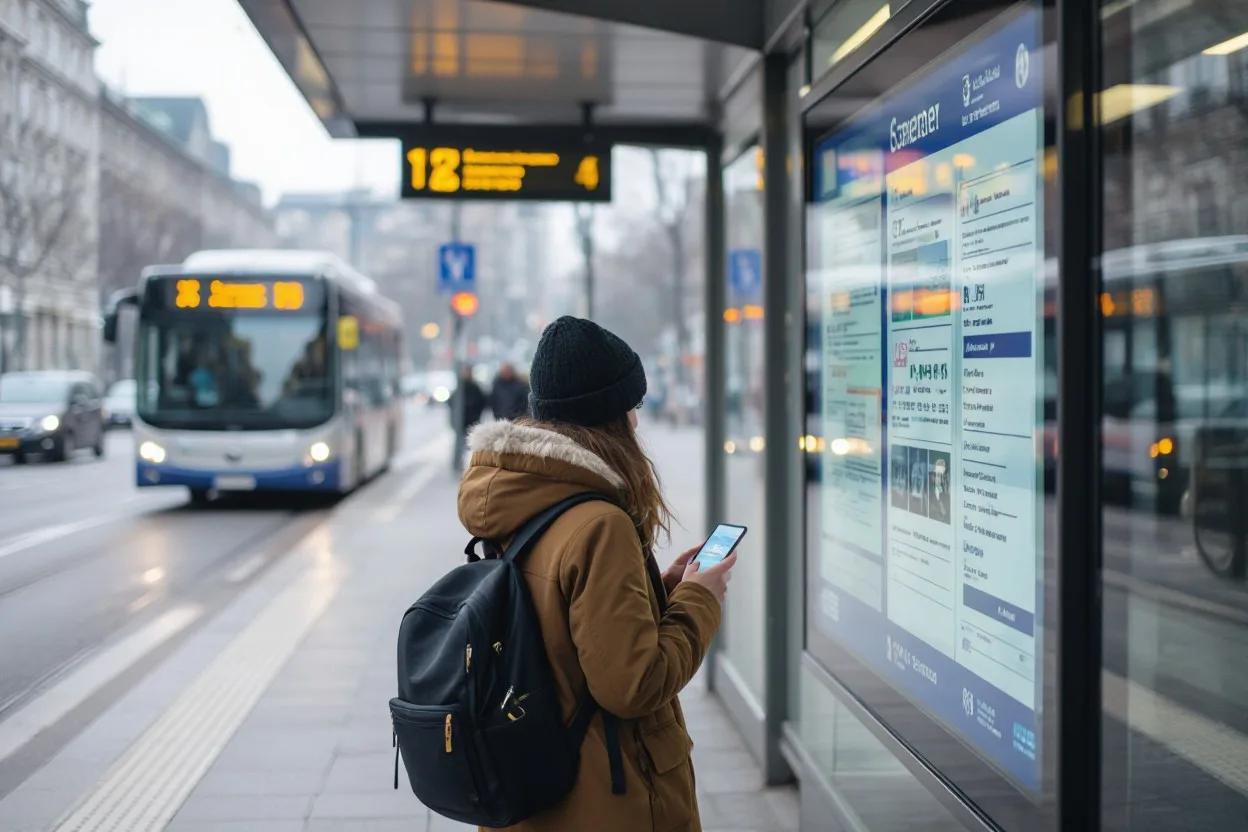
This guide gives you clear, practical steps to stay safe when using buses, trains, or trams alone, covering route planning, situational awareness, device and personal security, and discreet ways to seek help; apply these measures consistently to reduce risk, maintain confidence, and make your journeys smoother and more secure.
Key Takeaways:
- Plan ahead: know your route and schedule, share your ETA with someone, and carry a charged phone with emergency contacts.
- Stay aware and visible: sit near the driver or in well-populated areas, keep belongings secured, and avoid distractions.
- Act on instinct: move to safer spots, ask staff or the driver for help if uncomfortable, and call local emergency services when needed.
Choosing the Right Time and Place
You can reduce risk by traveling during daylight and choosing busy, well-serviced stops; aim for mid-morning (09:00–11:00) or early afternoon (13:00–16:00) when platforms are staffed, shelters open, and nearby businesses provide natural surveillance. Check transit apps for station staffing and CCTV icons, pick main interchange hubs rather than isolated suburban stops, and avoid waits after 22:00 when services thin and fewer people are around.
The Safety Benefits of Off-Peak Hours
Off-peak daytime travel lowers pickpocket and pushing incidents by reducing crush conditions while retaining regular service frequencies; try 10:00–15:00 for a balance of low crowding and reliable timetables. Use real-time load indicators in apps to avoid empty late-night carriages, and plan transfers with 10–15 minute cushions so you’re not sprinting through quiet stations.
Identifying the Most Secure Stops and Stations
Prioritize stops with staffed ticket halls, visible CCTV signage, emergency help points, bright LED lighting, and multiple open exits. You can confirm amenities on transit authority maps, Google Street View, or station facility pages; interchange stations and those adjacent to retail or transit police generally offer higher footfall and quicker assistance than single-platform or isolated stops.
Assess a stop by visiting at your intended travel time to check lighting, sightlines, and staff presence; count help points and note shelter visibility from the street. Look up published usage figures—stations with several thousand daily entries indicate steady traffic—and scan recent user reviews or local sources for reports on lighting outages, vandalism, or transient activity before choosing your regular boarding point.
Smart Travel Planning
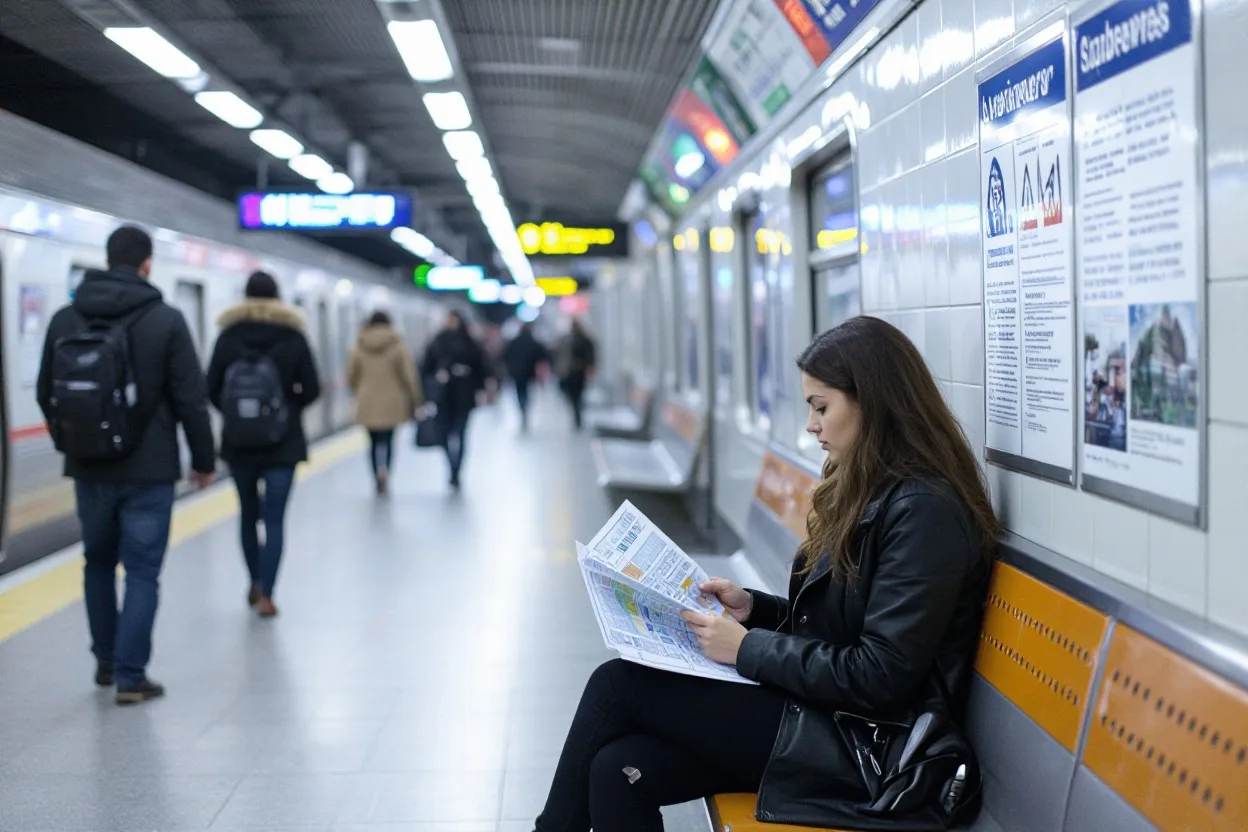
Use live timetables, downloaded maps and contingency windows so delays don’t leave you stranded. Check peak times (typically 7–9am and 4–6pm) to avoid overcrowding or late-night service gaps, and pick routes with headways under 15 minutes. Share your planned journey and ETA, pack a 10,000 mAh power bank, and pre-save emergency contacts. If transfers exceed 10 minutes on foot, choose an alternate route with shorter, well-lit connections.
Navigating Routes: Digital Tools and Maps
Rely on apps like Google Maps, Citymapper or your local transit app to plan multimodal trips and get live delays; download offline maps and route snapshots before you leave. Use step-by-step directions, set alerts for service changes, and enable location sharing so someone can track you. Street View and station layouts help you pick safer exits and identify bus stops or entrances with better lighting.
Anticipating Risks: Potential Danger Zones
Spot danger zones by scanning for poor lighting, isolated platforms, and stations with few passengers—these become riskier after midnight. Avoid routes that force you to wait alone for more than 10 minutes, and choose buses or carriages with several people when possible. Busy interchanges can attract pickpockets, so keep valuables secured and stay within sight of staff or CCTV.
Transit authorities routinely report higher incident rates between 00:00–04:00, so pick routes with staffed stations or continuous service during those hours. Check local crime maps or agency safety pages for station-level incident reports and CCTV coverage before you leave. Police guidance advises staying near staff or CCTV and changing course if a station shows repeated incidents—even a 10–15 minute detour can cut your exposure substantially.
Essential Personal Safety Measures
Start with visibility and planning: sit near the driver or close to exits after boarding, note emergency stops and attendant locations, and share your route and expected arrival time with a trusted contact using live location for trips longer than 20 minutes. Keep your phone charged above 30% and enable low-power mode to preserve battery for calls and navigation.
What to Carry and How to Use It
Carry a slim, accessible kit: charged phone, portable battery (5,000 mAh), whistle, small flashlight, and ID; add legal deterrents like pepper spray only if allowed in your jurisdiction. Store items in an exterior pocket or top compartment for one-handed access, practice using them at home so you can operate quickly under stress, and keep emergency numbers on speed dial and as a written note.
Dressing for Discretion and Comfort
Dress to blend and move: low-profile, weather-appropriate layers, closed-toe shoes with flat soles or a 1–1.5 inch heel for balance, and a crossbody bag worn in front during stops; avoid flashy jewelry and loud logos that attract attention. Make sure outer pockets have zippers and keep your phone in an inner pocket when not in use to reduce pickpocket risk.
For example, choose matte, dark colors like navy or charcoal to avoid standing out; synthetic quick-dry fabrics wick sweat during summer commutes, while wool or fleece layers trap heat in winter. Opt for garments with at least one interior zip pocket for valuables, and test bag straps for a 2–3 finger fit to ensure you can hold the strap securely while navigating crowds.
Social Awareness: Enhancing Situational Consciousness
Scan your carriage or platform every 2–3 minutes for changes: note exits, staff locations, and any new individuals within two to three body lengths. Use reflections in windows to see behind you, count how many people sit between you and the nearest door, and watch for someone who repeatedly repositions to face you or lingers near entrances for 10–15 minutes. Small, regular checks reduce surprise and give you time to move toward a conductor, driver, or a well-lit, populated area.
Reading Social Cues: Recognizing Suspicious Behavior
Watch for clusters of red flags: repeated glancing at pockets or your belongings, hands kept hidden, attempts to isolate you by choosing adjacent seats then moving, or an individual pacing near doors for over 10 minutes. Note avoidance of staff and quick changes in eye contact; paired with nervous fidgeting or contrived friendliness, these behaviors often precede theft or aggression. If you see two or more signs together, shift seating toward staff, call attention, or board the next vehicle.
Building Confidence in Engaging with Others
Establish presence through posture, steady eye contact, and brief scripts you can use fast: “Excuse me, is this seat taken?” or “Could you watch my bag for a second?” Practice a firm, clear tone so you’re heard without shouting, and keep interactions short and public. Asking a conductor, driver, or a group for assistance immediately signals attention and reduces the likelihood someone will target you.
Practice scenarios with a friend or at a community safety workshop to make responses automatic: rehearse three short lines (requesting help, calling attention, and setting a boundary) and role-play moving to staff or lit areas. Carry a small card with emergency phrases in the local language if you travel abroad, and use safety apps that share live location with a trusted contact while you speak up—visible backing and a practiced voice deter most opportunistic offenders.
Emergency Preparedness: Responding to Threats
Creating a Personal Safety Plan
Start by mapping primary and two alternate routes, noting staffed stations, well-lit exits and ticket booths as safe rendezvous points. Share your ETA and set automatic check-ins every 15–30 minutes with a trusted contact; if you miss a check-in, they know to call. Pack a small safety kit (whistle, spare battery, photocopy of ID), and rehearse a brief code phrase to signal a need for help without alerting an assailant.
Utilizing Technology for Quick Assistance
Use built-in phone SOS features: iPhone Emergency SOS and Android’s Emergency Info, both send location and call services with one action. Enable live location share in Google Maps or WhatsApp for the duration of trips and keep your transit app’s vehicle tracking open so you can confirm stops. Install a reputable safety app like Noonlight or bSafe that offers silent alarms, 24/7 dispatching and timestamped location logs.
Set up emergency contacts and medical ID in advance so first responders access critical data instantly; add ICE entries and an emergency photo. Enable automatic fall detection or SOS on wearables (Apple Watch, Wear OS) and practice triggering a silent alarm—recorded audio evidence increases prosecution odds. If battery is low, send a quick pinned message with coordinates or screenshot the map; police response times average under 10 minutes in many urban areas, so fast location sharing matters.
Summing up
The safest way to use public transport alone is to plan routes in advance, choose well-lit stops and carriages, stay aware of your surroundings, keep belongings secure and visible, and avoid distractions like loud music. You should travel during busy times when possible, tell someone your itinerary, use official apps to track services, and trust your instincts — move to populated areas or ask staff for help if anything feels off.
FAQ
Q: How should I prepare before using public transport alone?
A: Plan your route and alternatives in advance using official transit apps or maps; save timetables and a screenshot of the route in case of poor signal. Charge your phone fully and carry a small power bank, a transit card or exact cash, and ID. Share your trip details or live location with a trusted contact and set an expected arrival time. Pack lightly, keep valuables concealed, and carry a whistle or small personal alarm if that makes you feel safer. Note nearby stations or stops where staff are present and identify emergency numbers for the area.
Q: What safety practices should I follow while waiting, boarding, and riding?
A: Wait in well-lit, populated areas close to staff, ticket offices, or CCTV when possible. Keep bags zipped and close to your body, hold phones and wallets out of sight, and avoid falling asleep or becoming overly distracted by music—keep volume low or use one earbud. Sit or stand near other passengers or the driver on buses and in carriages with visible staff presence. Observe exits and next-stop announcements so you know where you are. If you see suspicious behavior, move to a safer spot, join a group of passengers, or board the next vehicle if available.
Q: What should I do if I feel threatened or an incident occurs?
A: Move to a populated area, platform with staff, or the driver’s compartment if safe. Use emergency intercoms, alarm buttons, or station help points and call local emergency services if there is immediate danger. Discreetly note the vehicle number, route, direction, and any descriptions of people involved, and report the incident to transit staff or police as soon as possible. If you have been assaulted or robbed, seek medical attention, preserve any evidence, and file an official report with the transport operator and law enforcement. If cards or phones are stolen, block them promptly and inform your bank and service provider.

Hi there! My name is Jenny, and I’m a travel writer who is endlessly curious about the world and always on the hunt for the next best-kept travel secret. My expertise lies in creating destination guides that enable you to travel smarter and especially if you travel solo.
My bylines have appeared on blogs, travel sites, and content agencies, and I’m always ready for the next adventure (and next great caffeine fix). In between assignments, you can find me trawling through a bazaar, sampling street food, or getting lost in an unfamiliar metropolis by choice.