
Last Updated on
Budget travel proves solo trips needn’t be costly: by choosing budget-friendly destinations, using flexible dates to score cheap flights, and favoring hostels, homestays or hostel kitchens you stretch your money while enjoying freedom and flexibility. You’ll find free walking tours, public transit and local markets lower daily costs, but do not skimp on safety—pick secure accommodation and trust your instincts. This guide gives practical, step-by-step tips so you can plan smart, save more and have richer solo adventures.
Key Takeaways:
- Pick budget-friendly destinations and travel off-season to make your money go further, leveraging favorable exchange rates and plentiful free/low-cost activities.
- Stay flexible: use flight and accommodation comparison tools, choose hostels/guesthouses or hospitality exchanges, cook or eat local street food, and opt for overnight transport to save on lodging.
- Use smart money habits—travel cards with no foreign transaction fees, avoid ATM/exchange fees, set and track a daily budget—and prioritize safety by packing necessarys and choosing reliable options.
Uncovering Economical Destinations
Look for countries where your currency stretches further: Southeast Asia (Vietnam, Laos, Indonesia) often lets you live on $25–50/day if you choose local food and dorms; parts of Eastern Europe (Bulgaria, Romania, Georgia) commonly fall in the $35–70/day range for a comfortable solo itinerary; and parts of Latin America (Mexico, Colombia) offer city stays for $40–80/day with good value on transport and food. Use live exchange-rate tracking (XE or OANDA) to time larger purchases—small swings of 5–10% in currency value can meaningfully cut your daily spending or accommodation costs.
Target shoulder seasons to lower costs without sacrificing weather: many European cities see accommodation and flight prices drop in April–May and September–October, while Southeast Asia’s shoulder months (March–April, September–November) bring discounted rates. Expect quieter streets, easier booking, and often 20–40% cheaper lodging than peak season; plan around local festivals to avoid sudden price spikes.
Off-the-Beaten-Path Locations for Solo Travelers
Seek destinations that are under-visited but safe and connected: Albania’s Riviera can give you Mediterranean beaches at a fraction of Greek prices, Georgia blends low-cost food and hostels with mountain treks, and Colombia’s smaller towns like Salento offer cheap eco-lodges and community tours. In these spots you can find dorm beds or simple guesthouses from $8–20/night, meet local guides for affordable day trips, and enjoy fewer tourists and more authentic interactions.
Watch for infrastructure limits in very remote areas—fewer ATM machines, irregular bus schedules, and limited emergency services can mean you need extra planning. Carry backup cash, download offline maps, and book the first and last transport legs of a long route in advance; those precautions keep the positives (low prices, friendly locals, unique culture) from becoming logistical headaches.
Mastering Off-Peak Travel for Maximum Savings
Pinpoint the actual low and shoulder seasons for each region rather than assuming global dates: Europe’s high season is June–August, so traveling in April/May or September/October typically yields lower rates on hotels and intercity trains; Southeast Asia spikes around December–January, so March or September can be much cheaper. Use fare calendars on Google Flights or Skyscanner and set alerts—flexible date windows often reveal fare drops of $50–$200 on medium-haul routes and 30–60% off hotel rates in shoulder months.
Be strategic with length and timing of stays: midweek check-ins are frequently cheaper than weekend arrivals, and booking a two-night stay that bridges a weekday can cut nightly rates. Choose accommodations with flexible cancel policies and confirm local transport availability in advance so weather or festival-driven changes won’t strand you.
Case study: traveling to Lisbon in November often nets 40% lower Airbnb or hotel rates compared with July, plus flights that can be $50–$120 cheaper if you fly midweek; similarly, Bali in March or October commonly shows hotel discounts of about 25–35%. Pack season-appropriate gear (light rain jacket for shoulder-season showers) and prioritize refundable bookings to take full advantage of these savings without risking comfort or safety.
Decoding the Flight Booking Maze
You can shave hundreds off your travel budget by treating flights like a puzzle: date flexibility, airport choice, and fee-awareness are the biggest levers. For medium-haul routes inside a region (e.g., within Europe or Southeast Asia), targeting a booking window of about 6–8 weeks often hits lower fares; long-haul routes (e.g., US↔Europe, US↔Asia) commonly show best prices around 3–6 months out. Weekday departures—especially midweek red-eyes—and flying into secondary airports frequently lower base fares, while adding a checked bag or seat selection can quickly erase those savings.
Use a simple decision checklist when you search: set price alerts, compare multiple nearby airports, and always factor in extra costs. Low-priced tickets that look great on the calendar often carry unbundled fees for baggage, seat assignments, priority boarding, and changes; add those to the ticket price before you book so you know the total landed cost.
Flight Booking Cheat Sheet
| Focus | Action / Why it matters |
|---|---|
| Booking window | Book 6–8 weeks for regional trips; 3–6 months for long-haul; reserve earlier for holidays and festivals. |
| Airport choice | Check nearby secondary airports—savings often outweigh extra transfer time and cost. |
| Fare type | Compare basic vs. bundled fares and add baggage/seat costs to avoid surprises. |
| Day/time | Midweek departures and red-eyes frequently offer lower base fares and more availability. |
| Alerts & flexibility | Set trackers on Google Flights/Hopper and be ready to shift dates by ±2–3 days. |
Early Birds vs. Last-Minute Mavericks: Timing Your Purchase
Booking early gives you inventory and predictable pricing: airlines release schedules and the lowest bucket of seats often gets scooped up first, so grabbing tickets 3–6 months ahead for intercontinental travel or 6–8 weeks for regional hops is a reliable play. Peak periods—Christmas, summer, major festivals—see prices rise quickly; for those dates you should lock in tickets as soon as fares appear, sometimes 6–9 months out for popular corridors.
Last-minute deals can work if you accept tradeoffs: empty seats occasionally get discounted 7–21 days before departure, especially on low-traffic midweek flights or routes with overcapacity. Use fare-alerts and apps that predict price drops, but expect less choice and higher risk of paying premium for baggage or changes; if you need a tight itinerary or travel during high season, last-minute shopping often becomes more expensive.
Navigating Fare Comparison Tools and Budget Airlines
Skyscanner, Google Flights, Momondo, and Kayak each have strengths: Google Flights excels at calendar-based trend spotting and quick multi-city combos; Skyscanner and Momondo surface many OTAs and whole-month views that reveal the cheapest day to fly. You should cross-check results because OTAs sometimes show lower up-front fares but add fees at checkout; confirm the final total on the airline’s site before paying.
Budget carriers—Ryanair, easyJet, Wizz Air in Europe; Spirit and Frontier in the US; AirAsia and IndiGo in Asia—can cut ticket costs by up to 50–70% compared with legacy fares on short-haul sectors. Expect strict weight limits, online-only check-in requirements, and fees that climb steeply at the airport. Factor in transfer costs and time: a €15 fare into a secondary airport can vanish if you pay €30–€60 for transfers or long, expensive public transport.
Comparison Tools & Budget Airline Checklist
| What to check | How to act |
|---|---|
| Total price | Always verify final fare (taxes + baggage + seat) on the airline site before booking. |
| Fare rules | Look for change/cancellation fees and free rebooking windows if plans shift. |
| Baggage policy | Compare cabin vs. checked allowances and pre-pay baggage online (cheaper than at airport). |
| Transfer logistics | Calculate transfer time and cost for secondary airports to judge true savings. |
| Payment & support | Prefer bookings directly with the airline for easier rebooking and customer service. |
Scan multiple tools and set overlapping alerts: use Google Flights for quick date exploration, Skyscanner for month views, and an OTA search to check for flash sales, then buy on the airline site if the price matches. Keep a spreadsheet of potential itineraries and final landed costs—your future self will thank you when the cheapest-looking fare actually costs more after fees and logistics are added in.
Budget Accommodation Strategies
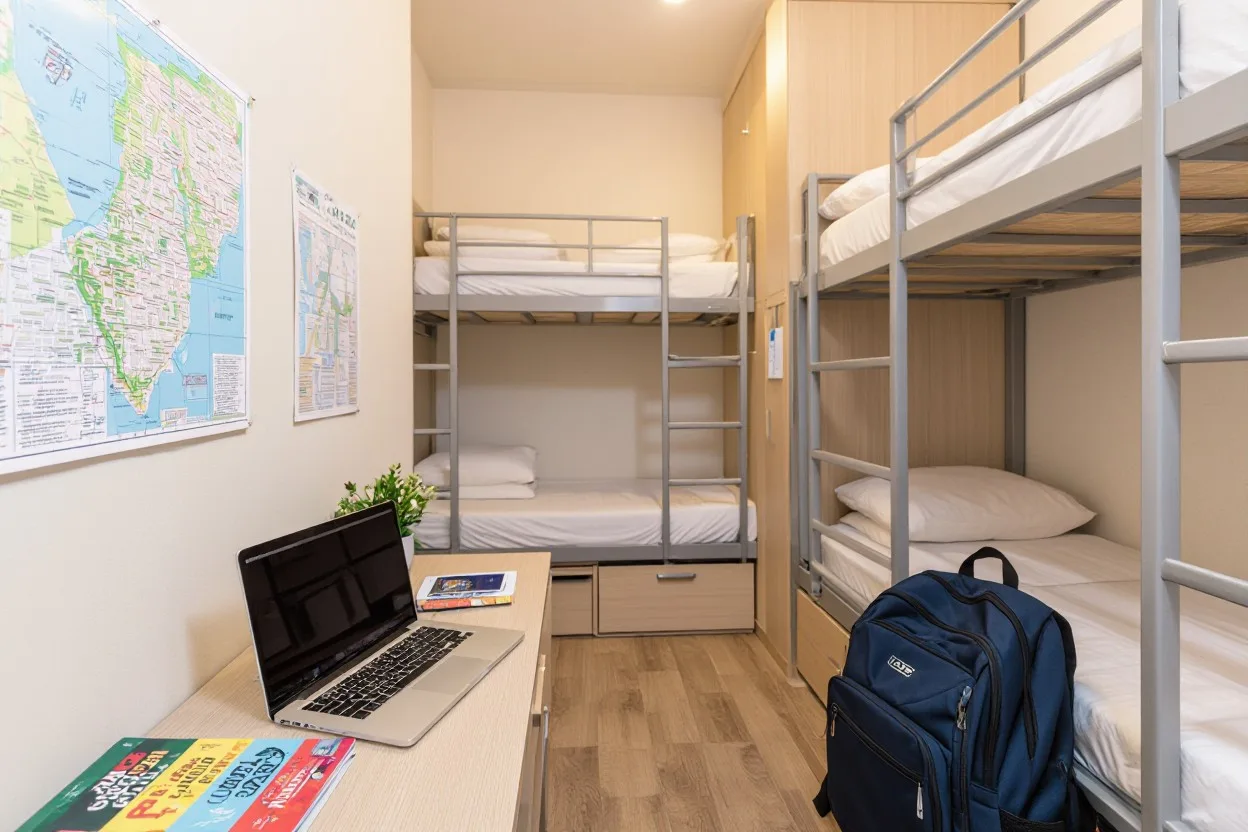
Mix dorms, private hostel rooms and short-term co-living to stretch your budget without sacrificing comfort: dorm beds can be 60–80% cheaper than hotels, while private hostel rooms often run €15–€40 in many European cities versus €70–€120 for budget hotels. You can shave costs further by booking off-season, negotiating weekly or monthly rates (many hostels and co-living spaces offer 20–40% discounts for longer stays) and prioritizing places with kitchens so you can cook several meals a week.
Use comparison tools like Hostelworld and Booking.com alongside map view to avoid overpriced tourist zones and factor transit costs into nightly price. Filter for at least an 8/10 review score, check for importants such as lockers, secure luggage storage and 24-hour reception, and always scan recent reviews for noise, cleanliness and safety issues before you book.
The Hostel Revolution: Finding Safe and Affordable Stays
Hostels today are not the dorm-only, party-only spots they used to be; brands like Generator, Selina and HI offer a range from social dorms to quiet private rooms with reliable Wi‑Fi and coworking areas. Typical nightly rates vary by region: $5–$12 in Southeast Asia, $8–$18 in Eastern Europe, $15–$35 in Western Europe, and $25–$60 in the US for dorm beds. Look for hostels that advertise free lockers, kitchen access, and included breakfast—those amenities cut your daily spend significantly.
Prioritize safety features: choose hostels with 24-hour reception, CCTV and individual bed lockers, and opt for female-only dorms if that increases your comfort. Read hostel responses to negative reviews to gauge management quality, pick a lower bunk if you’re light-sleeping, and use the hostel’s local network (staff and noticeboards) to find free walking tours or cheap local activities.
Alternative Lodging: Couchsurfing and Co-Living Experiences
Couchsurfing gives you cultural exchange and free stays but requires vetting: check host references, mutual friends, and verified IDs on their profile; plan to stay just one or two nights the first time with a solid backup option. Co-living spaces like Roam, Outsite and local coliving houses combine private rooms, shared kitchens and coworking for digital nomads—monthly rates commonly range from €400–€1,500 depending on city and amenities, often including utilities, events and faster Wi‑Fi than typical rentals.
Use hospitality alternatives such as BeWelcome or WarmShowers (for cyclists) if you want non-commercial exchanges, and always have a backup plan for at least the first night—book a refundable hostel bed or a cheap private room nearby. For co-living pick listings that publish Wi‑Fi speeds (aim for 50+ Mbps if you work online), clarify cancellation terms and ask about average occupancy so you know how social the place will be.
Learn more about bed guides from our partner.
Dining Like a Local Without Breaking the Bank
Bargain Bites: Discovering Street Food and Local Markets
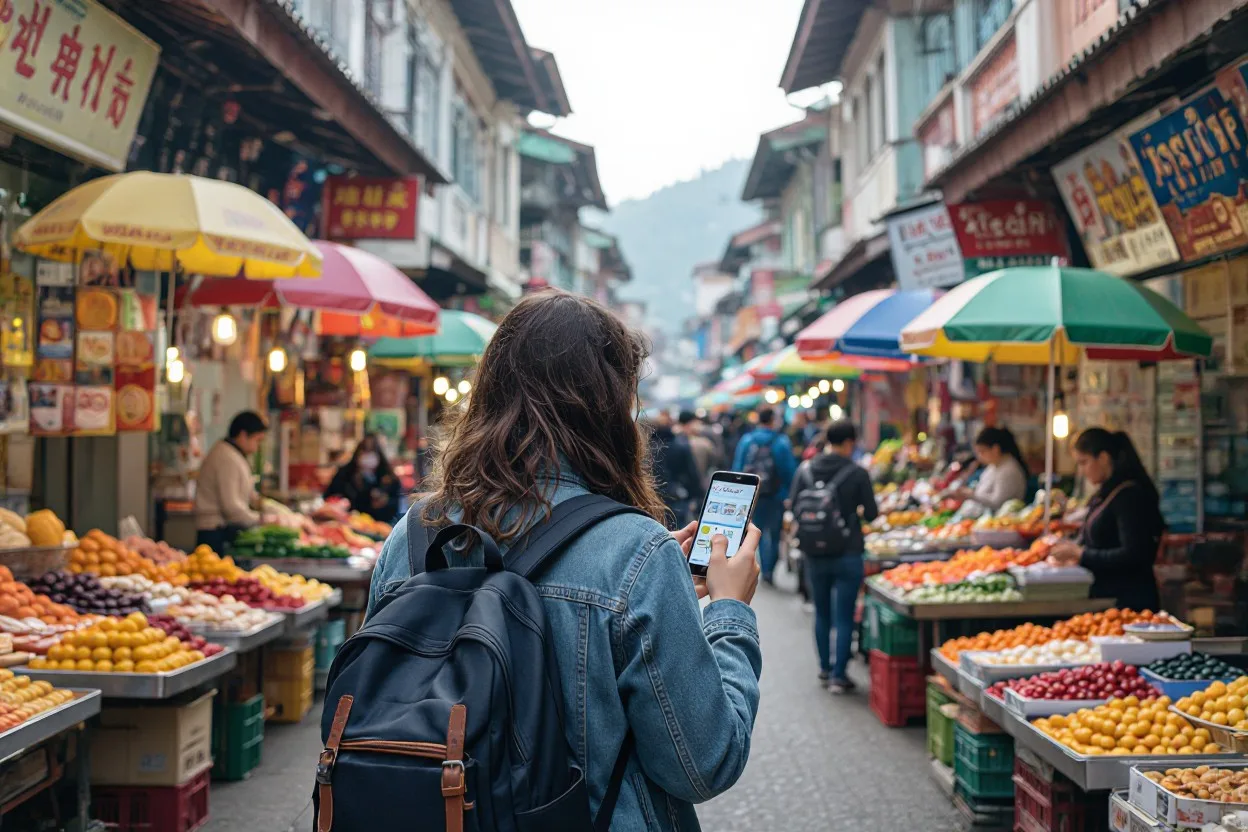
Seek out stalls with a line of locals: high turnover means fresher food and lower risk. In Bangkok you can get a plate of pad thai for roughly $1–$2, in Mexico City tacos often run $0.50–$1 each, and in Istanbul a simit can cost less than $0.50 — those prices add up fast compared with tourist restaurants. Check that food is cooked to order and piping hot, avoid ice or uncapped drinks in places where tap water isn’t safe, and ask vendors what dish is most popular; vendors selling the same item all day tend to have the best turnover.
Use markets for staples and snacks: buying 1 kg of bananas or oranges at a local market can cost under $1 and replace pricey convenience-store snacks. Haggle politely in places where bargaining is normal — a 10–30% reduction on bulk purchases is typical in North African and some Asian souks. Aim to combine a market haul with a street-food meal (fresh fruit + a hearty skewer or dumplings), which can halve your daily food spend compared with sit-down tourist venues.
Home-Cooked Savings: Utilizing Hostel Kitchens Effectively
Plan simple, high-yield meals you can batch-cook: 1 kg of rice (about $1–$3 depending on destination) plus beans and seasonal vegetables will produce multiple meals at roughly $0.30–$1 per serving. Pool resources with dormmates to buy bulk items — splitting a €4 pack of pasta and a €2 jar of sauce among four people drops per-meal cost dramatically. Pack a tiny spice kit (salt, pepper, chili flakes) and a travel-sized oil bottle to lift bland hostel meals into something satisfying.
Observe kitchen rules and practice clear etiquette: wipe surfaces, wash shared utensils promptly, and label your food in the fridge with name and date. Many hostels lock refrigerators or have limited space, so store high-value items in sealed containers and avoid leaving electronics or wallets unattended in the kitchen. If knives or sharp tools aren’t provided, buy a cheap folding knife locally rather than improvising, and always use boiled or bottled water for cooking where tap water is unsafe.
Filter hostel choices by amenities on sites like Hostelworld or Booking — hostels advertising a kitchen usually permit cooking during set hours and sometimes provide basic cookware, which saves you from buying gear. Expect to spend about $10–$15 to stock a week’s worth of staples in many Southeast Asian and Eastern European cities, yielding roughly 7–14 meals depending on portions; use apps like Splitwise or a quick cash tally to divide grocery costs with roommates, and check with staff about freezer space before attempting to freeze leftovers.
Smart Transportation Options for Solo Explorers
Stacking modes of transit deliberately will shave major costs off your daily budget: pick a 24/48/72-hour city pass when you expect to make 3+ trips a day, use overnight buses or trains to replace a night in a hostel, and combine cheap intercity buses with local metros for the last-mile. Tools like Rome2rio, Omio and local transit apps let you compare total door-to-door time and price so you can choose the best combo instead of defaulting to taxis.
Watch for fare caps and tourist cards — in many cities a single-day cap means you pay no more after a set amount, so a couple of long hops and short hops can effectively become free. Aim to plan high-cost segments (flights, long trains) in advance and keep short urban hops flexible; that mix typically delivers the biggest savings without sacrificing safety or convenience.
Public Transport Hacks: Buses, Trains, and Beyond
Long-distance bus networks (FlixBus in Europe, Greyhound in the U.S., and many regional carriers in Southeast Asia) regularly sell seats from as low as $5–$30 if you book early or mid-week. Overnight buses and sleeper trains let you cover 300–800 km while sleeping and often cost less than the combined price of a daytime ticket plus one night’s accommodation, so treat them as both transport and lodging when the schedule fits.
Railcards, regional discount passes and multi-day city transport passes are where solo travelers can save big: a UK 16–25 Railcard gives about one-third off many fares, and point-to-point advance tickets in Europe are often cheapest when booked 2–8 weeks ahead. Avoid unlicensed taxis at night—use official apps or marked airport taxis instead—and always photo the driver/plate when you pick a shared ride; unauthorized cabs can be overpriced or unsafe.
Cost-Effective Alternatives: Walking and Biking
Walking turns travel time into sightseeing time—covering a neighborhood on foot (3–6 km) reveals markets, side streets and budget restaurants you’d miss on a bus, and can replace 1–2 short rides a day, saving roughly $3–$10 per saved trip depending on the city. Plan routes with a map app to string together attractions; many compact European, Latin American and Asian city centers are easily walkable in half a day.
Bike rentals and dockless e-bikes transform medium-distance trips into fast, cheap hops: daily rental rates typically range from $3–$15 for regular bikes and $10–$25 for e-bikes, while shared electric scooters often use a $0.50 unlock + per-minute fee model. Use bike lanes where available, lock your bike to immovable objects, and photograph the rental condition before you ride—these small steps lower theft risk and disputes with providers.
Pack a lightweight foldable lock and comfortable walking shoes: a decent U-lock or folding lock costs around $20–$40 and can save you a lot of hassle, and a compact daypack makes bike rentals and walking tours easier. When you slice short taxi trips with walking or biking, you’ll often see daily transport spend drop by 20–50% while getting more local experiences per dollar.
Engaging in Budget-Friendly Adventures
You can stitch together an entire itinerary from zero-cost or low-cost options if you time things right: many cities run free walking tours twice daily (typical departures at 10:00 and 14:00, lasting 2–3 hours) and museums often offer free-entry days — the British Museum and Tate Modern in London are permanently free, while many Paris museums waive fees on the first Sunday of the month. Combining a free tour, a picnic from a local market (food for two for under €8 in many Southeast Asian markets), and an evening community event keeps daily costs under control while delivering rich cultural exposure.
Lean on local platforms like Meetup, Eventbrite, and city tourism calendars to find markets, lectures, and festivals that cost nothing or only ask for a small donation. If you plan to visit multiple paid sites, run the numbers: a city pass can cut attraction costs by 20–40%, but only buy one if your planned itinerary matches the included sites. Watch for opportunistic vendors and late-night spots in unfamiliar neighborhoods—avoid walking alone in poorly lit areas after midnight even if an event seems free and tempting.
The Best Free Activities: From Walking Tours to Community Events
Free walking tours are the backbone of budget solo travel: companies like GuruWalk and local licensed guides cover major neighborhoods and ask for a tip at the end — budget €5–€10 for a solid 2–3 hour tour. Public libraries, cultural centers, and university lecture series often host free talks, film nights, or language exchanges; these are great for meeting locals and other travelers without spending on nightlife. Street festivals and seasonal markets (for example, Kraków’s Christmas market or Lisbon’s summer neighborhood festas) give authentic experiences at no entry cost.
For community-led activities, use Meetup, Couchsurfing events, and local Facebook groups to find hikes, volunteer opportunities, and potlucks that are either free or extremely cheap. If you join a free tour or event, check reviews and guide credentials beforehand; avoid groups that demand large upfront payments or pressure you into purchases — scams are common at heavily touristed hotspots.
Embracing Nature: Parks, Trails, and Beaches
Public parks and beaches are often the cheapest, richest experiences: Central Park (New York), Retiro Park (Madrid), and Stanley Park (Vancouver) offer hours of exploration at no cost, while Portugal’s Algarve and Greece’s islands provide miles of free coastline. Trails accessible directly from city limits—like Bukhansan outside Seoul or the volcanic paths around Tenerife—let you escape crowds without transport costs. Use apps like AllTrails or Wikiloc to pick routes, and download offline maps before you set out to avoid data charges.
Long-distance routes can be economical if you plan right: hiking sections of the Camino de Santiago removes nightly accommodation costs when you opt for municipal albergues (€5–€15 per night) and lets you cover 15–25 km a day on a modest budget. Note that many national parks impose entrance fees; in the U.S., an annual National Park pass costs $80 and can be very cost-effective if you plan multiple visits in a season.
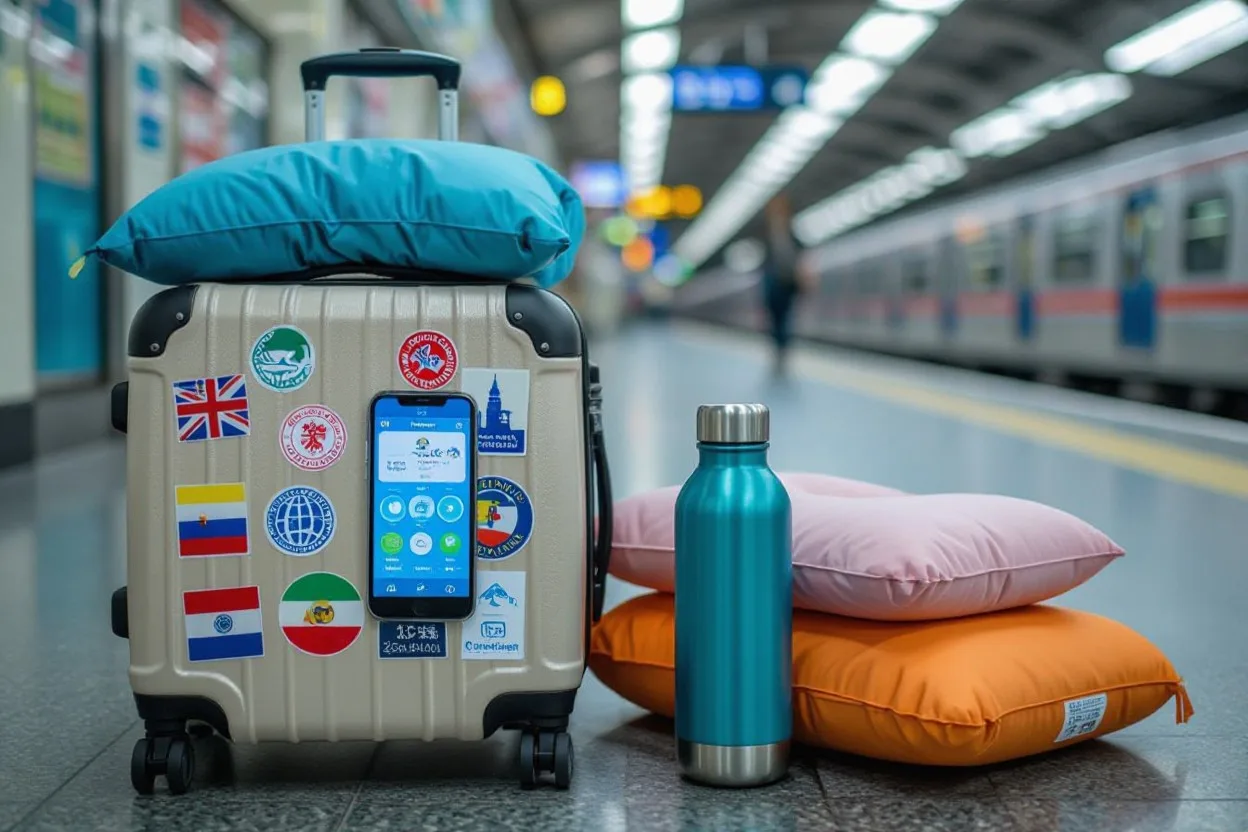
Pack a lightweight kit to keep nature trips low-cost and safe: a refillable water bottle plus a small filter (Sawyer Mini or equivalent, ~€20), a basic first-aid kit, and sturdy shoes prevent common problems that lead to expensive rescues or medical bills. Check local rules on wild camping (Scotland permits it in many areas; most of Europe restricts it), and always tell your accommodation where you’re heading—safety reduces the chance of an expensive emergency.
Conclusion
The freedom of solo travel lets you tailor expenses to your priorities, and by combining flexible planning, budget-friendly destinations, and practical safety trade-offs you can stretch your money without sacrificing experience. Use comparison tools and off‑season timing for cheaper flights, choose hostels or homestays and market food to cut costs, favor public transport and walking, and set a clear daily budget so your trip stays affordable and rewarding.
With creativity and consistent money habits you’ll access richer, more authentic experiences while spending less; balancing thrift with reliable choices, packing smart to avoid extra purchases, and prioritizing safety where it matters lets you explore more destinations and come home with memories instead of overspending.
FAQ
Q: How can I plan a budget-friendly solo trip without sacrificing experiences?
A: Start by breaking the myth that solo travel must be expensive: pick destinations where your money goes further (Southeast Asia, parts of Eastern Europe, Central America, off-season Western Europe). Travel off-season and use favorable exchange rates. Be flexible with dates and airports; use comparison tools like Skyscanner and Google Flights and set price alerts. Compare booking early versus last-minute deals and consider budget carriers and longer layovers to cut costs. Plan an itinerary that clusters activities to reduce transport time and consider longer stays for lower nightly rates and local discounts.
Q: What accommodation and food strategies save the most money for solo travelers?
A: Choose hostels, guesthouses, homestays, co-living spaces or budget hotels with strong safety reviews; look for female-only dorms or private rooms when preferred. Try Couchsurfing or hospitality exchanges for free stays and local connections, but vet hosts carefully. Negotiate weekly/monthly rates for longer stays. For food, shop at local markets, eat street food and small local eateries, cook in hostel kitchens, and opt for lunch specials instead of tourist restaurants. Pack basic snacks and a refillable bottle to avoid frequent small purchases.
Q: How do I handle money, transport, safety and free activities while traveling solo on a tight budget?
A: Use travel cards or banks with no foreign transaction fees and plan ATM withdrawals to minimize fees; avoid poor airport exchange rates. Set a daily budget and track expenses with an app. Favor public transport, walking and biking; buy travel passes or rail/bus cards and use overnight buses/trains to save on accommodation. Seek free or low-cost activities: free walking tours, parks, beaches, hiking, museums on free days, and local meetups. Prioritize safety by choosing reliable night transport and secure accommodation, carrying a basic first-aid kit, keeping digital copies of documents, and using locks for luggage—balance cheap choices with options that keep you comfortable and secure.

Hi there! My name is Jenny, and I’m a travel writer who is endlessly curious about the world and always on the hunt for the next best-kept travel secret. My expertise lies in creating destination guides that enable you to travel smarter and especially if you travel solo.
My bylines have appeared on blogs, travel sites, and content agencies, and I’m always ready for the next adventure (and next great caffeine fix). In between assignments, you can find me trawling through a bazaar, sampling street food, or getting lost in an unfamiliar metropolis by choice.