

Last Updated on
Crafting Your Perfect 2-Day Washington DC Itinerary
Planning a quick trip to our nation’s capital? A well-structured 2-day Washington, D.C. itinerary requires a strategic approach, balancing must-see landmarks with authentic local experiences. This means considering not just what you want to see, but when and how you’ll see it. Choosing accommodations strategically located near major attractions or public transportation hubs is essential. Think of your hotel as base camp for an expedition – the right location saves valuable time and energy. You might be interested in: How to master…
For example, staying near a Washington Metro station provides easy access to the National Mall and other key destinations. Understanding the city’s rhythm is also crucial. Knowing when the Smithsonian museums are less crowded can greatly enhance your experience. This is especially important with the significant number of visitors Washington, D.C. attracts.
In 2024, the city welcomed a record 27.2 million visitors, a 1.25 million increase from the previous year. Of this total, 25 million were domestic visitors. This influx of tourists, particularly those drawn to landmarks like the National Mall, highlights the importance of careful planning. Find more detailed statistics here: Destination DC Announces Record Visitation Fueling DC’s Economy
Mastering the DC Metro and Transportation
Using the DC Metro system is key for efficient travel. It’s the city’s circulatory system, connecting all the main points of interest. However, just hopping on the Metro isn’t enough. Knowing which lines to take, which transfer points to avoid, and when to travel during off-peak hours can drastically improve your overall experience.
Walking the City: Comfort and Efficiency
 Creating realistic walking plans will help you avoid midday exhaustion. Exploring on foot offers an immersive experience, but overly ambitious routes can quickly drain your energy. It’s like running a marathon without training – you won’t appreciate the sights if you’re focused on your aching feet.
Strategically grouping attractions by location and using the free DC Circulator bus for longer distances is essential for a comfortable exploration. This lets you conserve energy for actually experiencing the sights, rather than just rushing from one to the next.
Day 1: Conquering the National Mall Like a Pro
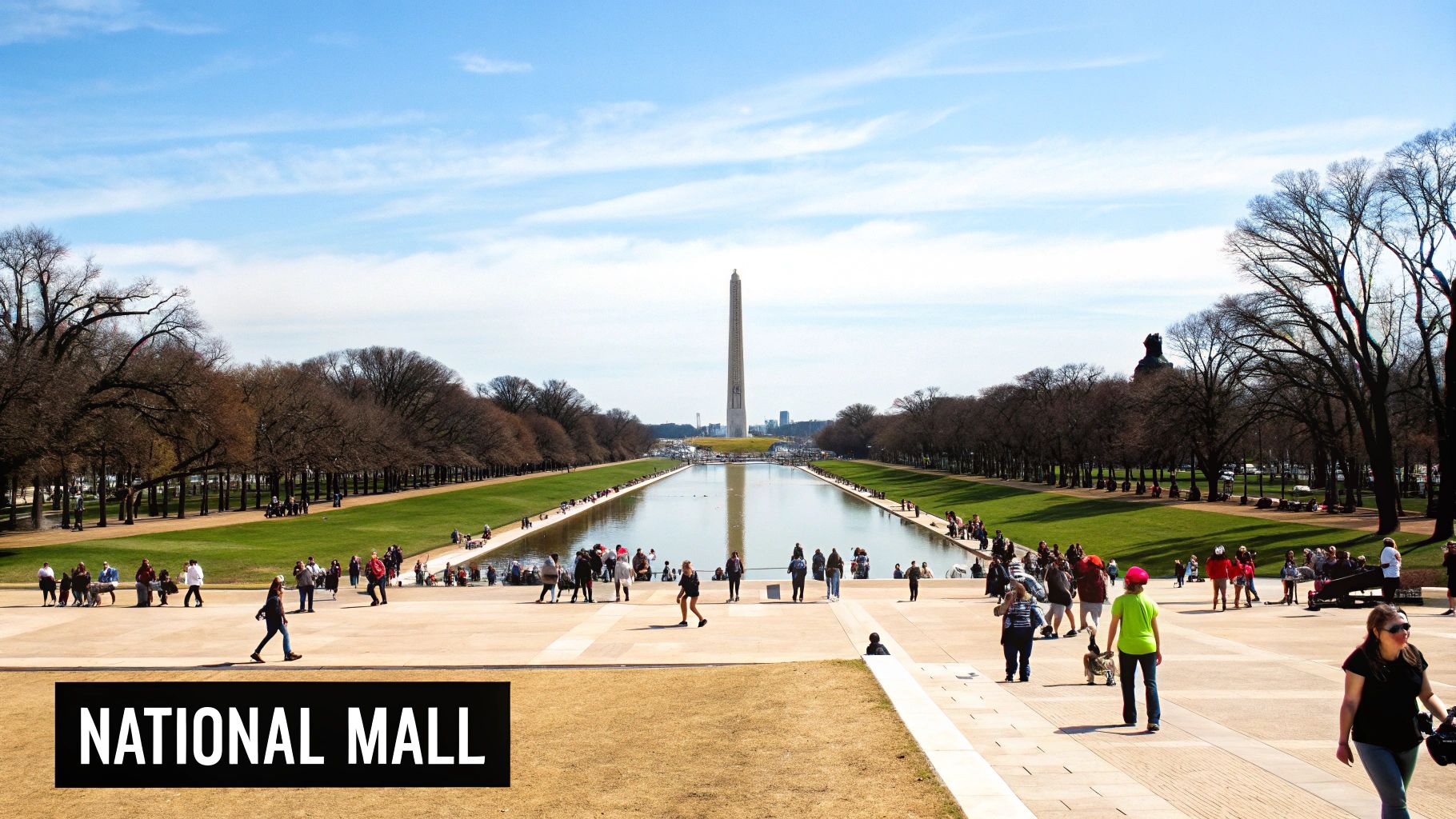
The National Mall is the centerpiece of any two-day Washington, D.C. itinerary. More than just a collection of monuments, it’s a living tribute to American history and ideals. To truly experience this iconic space, start your day early. Witnessing the Washington Monument at sunrise provides incredible photo opportunities, with the morning light bathing the obelisk in a golden glow. This sets the perfect tone for a day of exploration.
From Washington Monument to Lincoln Memorial
After experiencing the Washington Monument, start your journey westward along the Mall. Often overlooked, the World War II Memorial, with its compelling symbolism and intricate design, deserves your attention. Pause to appreciate the fountains and inscriptions dedicated to those who served. This moment of reflection will add a deeper layer to your experience.
Next, continue to the reflective pools of the Vietnam Veterans Memorial and the Korean War Veterans Memorial. These poignant memorials invite quiet contemplation and remembrance. The emotional impact of these spaces is significant, so allow yourself ample time to absorb their meaning.
Your morning culminates at the majestic Lincoln Memorial. Picture Lincoln’s gaze across the reflecting pool, visually and historically connecting the memorial to the Washington Monument. This compelling image perfectly encapsulates the essence of your National Mall experience.
Smithsonian Stop and Afternoon Exploration
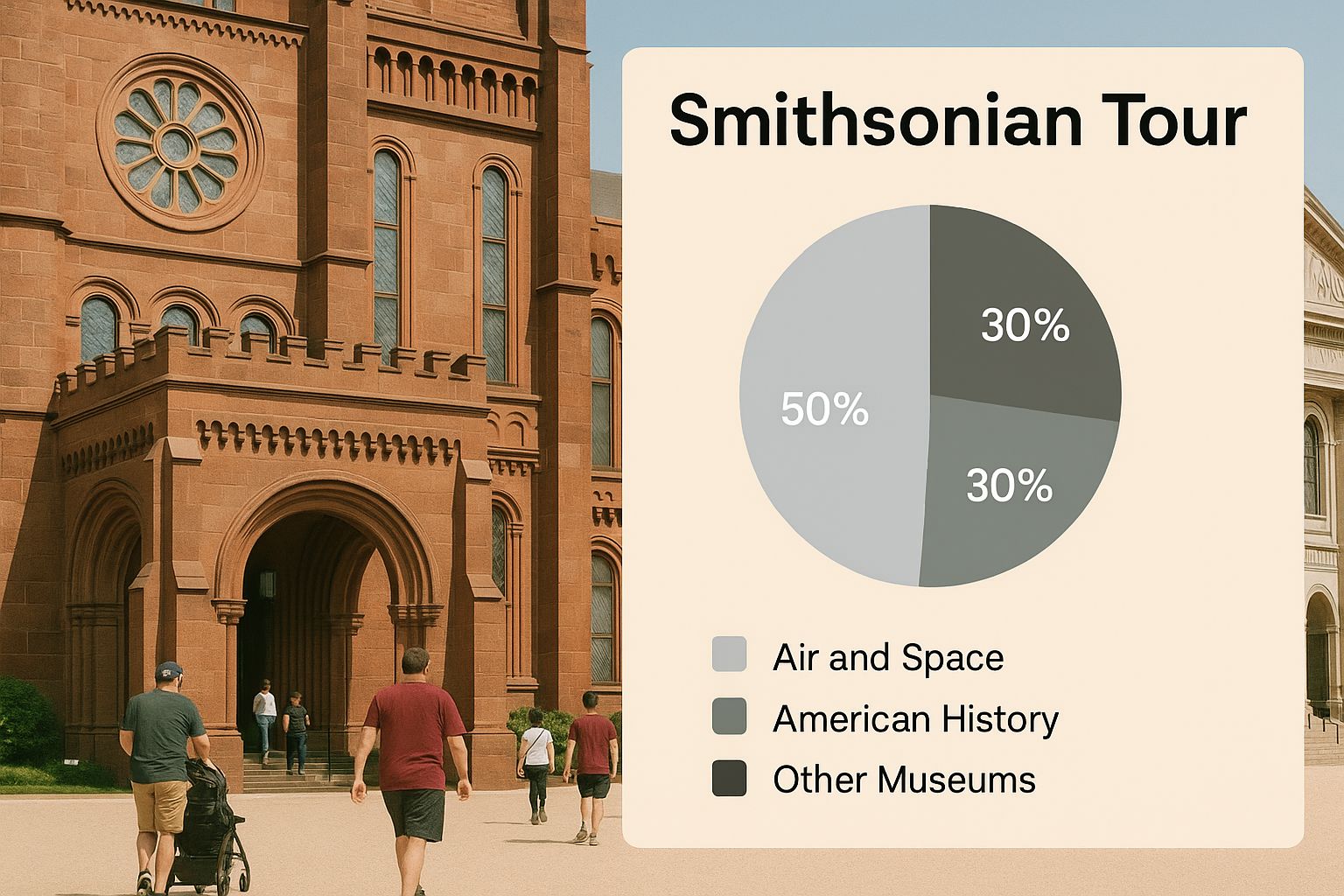
This infographic highlights the Smithsonian museums, depicting the lively scene of visitors entering these cultural hubs. It underscores the popularity of the Smithsonian complex as a must-see destination. To avoid museum fatigue later in the day, it’s wise to choose only one or two to explore. For more tips on maximizing your time, check out our article on navigating the museums within a tight schedule.
The afternoon presents a chance to discover the lesser-known areas of the National Mall. Explore hidden pathways, find a quiet spot for reflection, or simply revel in the expansive green space. This allows you to appreciate the Mall’s scale and beauty beyond the main monuments. Consider packing a picnic lunch to enjoy on the grass before continuing your exploration.
Avoiding the Crowds and Monument Fatigue
 Strategic timing is crucial for making the most of your National Mall visit. Arriving early allows you to beat the crowds and savor a more tranquil experience, especially at popular sites like the Lincoln Memorial. Planning your route effectively minimizes walking distances and prevents unnecessary backtracking, keeping you energized throughout the day.
Remember to stay hydrated, wear comfortable shoes, and enjoy the journey through this historic heart of Washington D.C.
To help you plan your National Mall adventure, we’ve compiled a handy guide outlining the optimal times to visit each attraction:
National Mall Monuments & Museums Timing Guide
Overview of opening hours, suggested visit duration, and best times to visit major attractions on the National Mall
| Attraction | Opening Hours | Suggested Visit Duration | Best Time to Visit | Special Notes |
|---|---|---|---|---|
| Washington Monument | Dawn to Dusk | 1-2 hours | Sunrise for photos, early morning to beat crowds | |
| World War II Memorial | 24/7 | 1 hour | Early morning or late afternoon | |
| Vietnam Veterans Memorial | 24/7 | 1 hour | Early morning or late afternoon | |
| Korean War Veterans Memorial | 24/7 | 1 hour | Early morning or late afternoon | |
| Lincoln Memorial | 24/7 | 1-2 hours | Early morning or late afternoon | |
| Smithsonian Museums | Varies by museum (check websites) | 2-3 hours per museum | Mid-day to late afternoon | Select 1-2 museums to avoid museum fatigue |
This table offers a suggested timeline for your visit, highlighting the best times to see each site and offering tips for avoiding crowds. Remember to check the official websites for the most up-to-date information on opening hours and any potential closures.
Day 1 Evening: Capital Flavors and Nighttime Magic
After a day of exploring the National Mall’s monuments, witness Washington D.C.’s transformation as the sun sets. A true 2-day Washington, D.C. itinerary must include the city’s dynamic after-dark energy. This is when politicians and locals mingle, creating a distinct ambiance absent during the day.
Dining in DC: Beyond the Tourist Traps
From the celebrated restaurants of Penn Quarter to the tucked-away treasures of Eastern Market, there’s a culinary delight for every taste and budget. Avoid the typical tourist pitfalls of overpriced, underwhelming meals. Instead, discover the true essence of D.C. cuisine. For a classic D.C. experience, try Ben’s Chili Bowl for their iconic half-smoke.
Monuments by Moonlight: A Different Perspective
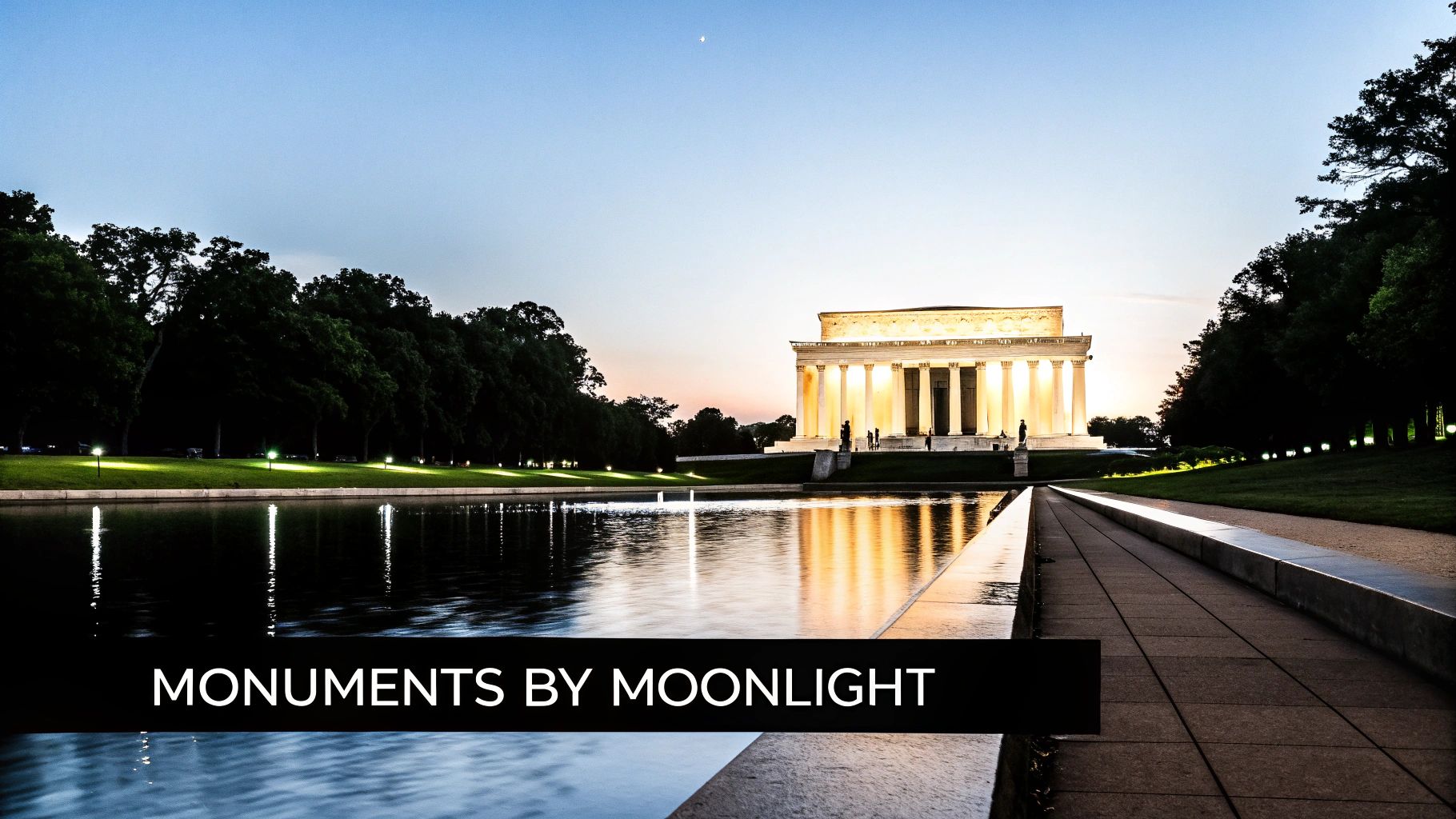
The monuments, glowing against the night sky, offer a dramatically different perspective than during daylight hours. Picture the Lincoln Memorial bathed in soft illumination, inspiring a sense of wonder and peace. These unique evening views add a touch of magic to your 2-day Washington, D.C. itinerary.
Efficient Evening Transportation
Getting around the city efficiently in the evening maximizes your time and minimizes fatigue before the second day of your adventure begins. Strategically using the Metro or rideshare services like Uber or Lyft allows easy navigation throughout the city. This helps you savor the evening ambiance without feeling rushed.
Securing Last-Minute Reservations
Even without advance bookings, it’s still possible to snag last-minute reservations at desirable restaurants. Consider dining during off-peak times or exploring lesser-known establishments that offer equally satisfying meals. This offers more flexibility and spontaneity in your dining choices. Many restaurants now offer online waitlists, enabling you to explore nearby attractions while awaiting your table. With a bit of planning, a memorable culinary experience is well within reach as part of your 2-day exploration of Washington, D.C.
Day 2: Beyond Monuments – DC’s Character-Rich Neighborhoods
After a day exploring the National Mall, your two-day Washington, D.C. itinerary continues by discovering the city’s diverse neighborhoods. This is where you’ll find the true heart of D.C., away from the crowds. Start your day in the historic charm of Georgetown.
Georgetown: Cobblestone Streets and Historic Charm
 Georgetown’s cobblestone streets and historic townhomes offer a glimpse into the past. Walk along M Street and Wisconsin Avenue, browsing the boutiques and art galleries. Explore the hidden courtyards and picturesque alleys. This area offers a unique perspective on Washington’s history and architecture.
For a relaxing experience, take a walk along the Chesapeake and Ohio Canal Towpath, a scenic riverside pathway. This historic waterway was once a hub of commercial activity. Now, it offers a tranquil escape. You can even rent a kayak or paddleboat.
Embassy Row and International Flavors
North of Georgetown, you’ll find Embassy Row on Massachusetts Avenue NW. Here, you can admire the architecture of the impressive diplomatic missions. These grand buildings represent nations from around the world, offering a global experience within the city. Interested in seeing more of D.C.? Check out Exploring more of DC
Next, head to Adams Morgan, known for its diverse restaurants and vibrant nightlife. Enjoy authentic Ethiopian food, savor Salvadoran pupusas, or grab a quick bite from a street vendor. The mix of cultures creates a lively atmosphere.
U Street Corridor: Music, History, and Culture
A well-planned two-day Washington, D.C. itinerary balances the city’s diverse attractions with current realities. In 2025, D.C. anticipates a decrease in international tourism, influenced by political factors and global perceptions, according to Axios. Even so, the city remains a vibrant destination with a rich cultural scene for visitors to enjoy, including historic sites and dynamic neighborhoods like Georgetown and the U Street Corridor.
The U Street Corridor, the historic heart of D.C.’s jazz scene, is rich in history and culture. This is where Duke Ellington developed his musical talent. Today, the neighborhood continues to pulse with creative energy. Explore the murals, eclectic shops, and historic theaters, experiencing the legacy of a musical legend and the spirit of a dynamic community.
People-Watching and Local Experiences
One of the best ways to experience any neighborhood is through people-watching. Find a cafe, grab a coffee, and observe the daily life of D.C. residents. Listen to conversations and gain a deeper understanding of the city’s culture.
Don’t forget to explore beyond the main streets. Venture down side streets, discover hidden gems, and find unique souvenirs beyond the typical tourist shops. These local experiences are key to unlocking the authentic character of D.C.’s neighborhoods. They offer a genuine connection to the city and its people, making your two-day Washington, D.C. itinerary more memorable.
Day 2 Afternoon: Smithsonian Treasures Worth Your Time
After a morning exploring D.C.’s vibrant neighborhoods, your two-day Washington, D.C. itinerary wouldn’t be complete without a visit to the Smithsonian Institution. With 19 world-class museums and galleries, most of which offer free admission, the biggest challenge is deciding which treasures to prioritize. This section will guide you through the Smithsonian complex and help you pick the perfect museums for your interests.
Navigating the Smithsonian: A Curator’s Perspective
Imagine walking the halls of the National Museum of Natural History, surrounded by 126 million specimens. It can feel a bit like trying to drink from a firehose! However, with some pre-planning, navigating these vast collections becomes much easier. Focus on exhibits that truly spark your curiosity, whether it’s dinosaurs, ancient civilizations, or the mysteries of the ocean’s depths. Most museums provide floor maps and suggested itineraries to help maximize your time.
 For a deeply moving experience, visit the National Museum of African American History and Culture. This museum takes visitors on an emotional journey through the history of African Americans, from the harrowing realities of slavery to the ongoing fight for civil rights. Be prepared for a powerful and thought-provoking visit. You might also be interested in: How to master…
Alternatively, lose yourself in the artistic masterpieces at the National Gallery of Art. Admire works by renowned artists like Van Gogh, Monet, and Rembrandt. To avoid becoming overwhelmed, concentrate on specific wings or collections that align with your artistic tastes.
Avoiding Museum Fatigue: Insider Tips
Museum fatigue is a real thing, especially when you’re trying to pack multiple institutions into a single afternoon. To combat this, schedule breaks throughout your visit. Many Smithsonian museums have cafes or peaceful courtyards where you can rest and recharge. This will allow you to fully enjoy each exhibit without feeling overwhelmed.
Another helpful strategy is to use less-crowded entrances. Locals often know the secret routes to bypass long lines. Pre-booking timed entry passes, when available, can also save valuable time and reduce wait times, leading to a smoother and more pleasant experience overall.
Choosing the Right Museums: A Personalized Approach
To tailor your Smithsonian experience, create a list of must-see exhibits or collections within each museum. This will focus your exploration and ensure you don’t miss the highlights that are most important to you. Think about your personal interests, whether they lean towards history, art, science, or culture, and design your itinerary around those passions.
This personalized approach transforms the Smithsonian from a potentially overwhelming collection into a curated selection of unique experiences. It allows you to connect with the exhibits that truly resonate with you, ensuring your two-day Washington, D.C. visit is truly memorable.
To help you select the museums that best suit your interests, we’ve created a helpful comparison guide:
Smithsonian Museums Comparison Guide
Comparison of major Smithsonian museums to help visitors choose based on interests, signature exhibits, and visitor experience.
| Museum | Main Focus | Must-See Exhibits | Estimated Visit Time | Best For |
|---|---|---|---|---|
| National Museum of Natural History | Natural world, including dinosaurs, gems, and cultural artifacts | Hall of Mammals, Hope Diamond, Ocean Hall | 3-4 hours | Families, science enthusiasts |
| National Museum of African American History and Culture | African American history and culture | Slavery and Freedom exhibition, Musical Crossroads | 4-5 hours | History buffs, those interested in social justice |
| National Gallery of Art | European and American art from the Middle Ages to the present | Van Gogh’s “Roses,” Monet’s “Rouen Cathedral,” Rembrandt’s self-portraits | 2-3 hours | Art lovers |
| National Air and Space Museum | Aviation and space exploration history | Wright brothers’ 1903 Flyer, Apollo 11 command module | 3-4 hours | Science and technology enthusiasts, families |
| National Museum of American History | American history and culture | Star-Spangled Banner, Dorothy’s ruby slippers | 2-3 hours | History buffs, families |
This table provides a snapshot of some of the most popular Smithsonian museums. Use it as a starting point to tailor your itinerary to your specific interests. Remember to check museum websites for updated hours and special exhibitions.
Moving Through DC: Transportation Strategies That Save Time
The difference between a rushed, frustrating visit and a smooth DC experience often hinges on your transportation choices. A well-planned two-day Washington, DC itinerary requires understanding the city’s layout and using its various transportation options. This section analyzes the pros and cons of each mode of transport, helping you maximize your valuable sightseeing time.
Metro vs. Rideshares: Strategic Choices
 The Washington Metro is a convenient and budget-friendly way to travel between major attractions, especially during rush hour when traffic can be heavy. However, it’s not always the quickest option, particularly for shorter distances or travel outside of peak hours. Rideshares, like Uber and Lyft, offer door-to-door service and greater flexibility, but can be pricier, especially with surge pricing during busy times.
For example, traveling from the National Mall to Georgetown is faster and offers more scenic views via rideshare. Meanwhile, the Metro offers a quicker commute between the National Mall and Arlington National Cemetery.
Buses and Bikes: Scenic and Efficient Options
The DC Circulator bus provides free transportation along specific routes, offering a convenient way to explore different neighborhoods and connect with the Metro system. Capital Bikeshare offers another efficient and enjoyable way to navigate the city, especially for shorter distances between attractions. This lets you experience the city at your own pace, taking in the sights and sounds of the capital.
Navigating Security: Saving Time at Checkpoints
Security checkpoints are a reality at many DC attractions. Minimize wait times by arriving early, particularly during peak seasons, and familiarizing yourself with the prohibited items list. This preparation will speed up the process and ensure you don’t lose precious sightseeing time.
SmarTrip Cards and Weekend Metro Schedules
Invest in a SmarTrip card for smooth travel on the Metro and buses. Understanding the weekend Metro schedule, which often runs less frequently, is also essential for avoiding unexpected delays. This lets you seamlessly transition between different modes of transportation and keeps your two-day Washington, DC itinerary on track.
Walking the City: Optimal Paths and Distances
Walking is a great way to explore DC, but it’s important to plan realistic routes. Use a map or navigation app to estimate walking distances and find the best paths between landmarks. This prevents unnecessary detours and ensures you reach your destination efficiently. Prioritizing comfort and efficiency ensures you can fully appreciate the city’s rich history and culture.
Seasonal Adjustments: Tailoring Your 2-Day DC Experience
Washington, D.C. changes its personality with the seasons, offering unique experiences throughout the year. This directly impacts how you should plan your 2-day Washington, D.C. itinerary. From the beautiful Cherry Blossom Festival in spring to the summer humidity, each season presents its own opportunities and challenges. Planning carefully is essential to maximize your time in the District. You can find helpful advice in this article about essential tips for planning your next adventure.
Spring: Cherry Blossoms and Pleasant Temperatures
Springtime in D.C. is synonymous with the iconic Cherry Blossom Festival. The Tidal Basin transforms into a breathtaking spectacle of pink blossoms, drawing visitors from around the globe. Because this is a peak tourist season, expect large crowds and book your accommodations well in advance. To avoid the busiest times, consider visiting the blossoms early in the morning or during the weekdays. Spring weather, however, can be unpredictable. Packing layers and having a backup plan for rain is always a good idea. For example, if outdoor activities become impractical due to weather, explore some of the Smithsonian museums.
Summer: Navigating Heat and Humidity
Summer in D.C. brings heat and humidity. Strategic planning is essential for staying comfortable. Scheduling museum visits or exploring air-conditioned attractions during the hottest parts of the day is highly recommended. Evenings are a great time to be outside. Consider attending an outdoor concert or taking a leisurely stroll along the National Mall after sunset.
Fall: Foliage and Festive Events
Fall ushers in cooler temperatures and vibrant foliage. Explore local parks, such as Rock Creek Park, to experience the stunning autumn colors. D.C. also hosts many fall festivals and events, creating opportunities to enjoy the city beyond the typical tourist attractions. Keep in mind that fall can bring rain, so pack accordingly and have alternative plans if necessary.
Winter: Festive Cheer and Indoor Exploration
Winter in D.C. is truly magical. The monuments dusted with snow provide a picturesque backdrop for your visit. While outdoor activities may be limited, winter offers a chance to delve deeper into the city’s museums and historical sites. Numerous indoor holiday events and exhibitions contribute to the festive atmosphere. Consider visiting during off-peak hours to minimize encountering holiday crowds. If you are prepared for the cold, bundle up and enjoy a brisk walk along the National Mall.

Hey everyone! I’m Luciana, a travel writer from Colombia. I focus on places I know and love — mostly Colombia, Central America, and North America.
I’m all about discovering those hidden gems that don’t always make it into the guidebooks — think street food stalls, quiet little towns, underrated hiking trails, and the kind of real-life moments that truly capture what a place is all about.
Whether I’m wandering through vibrant markets in Guatemala, cruising across the deserts of the U.S., or hiking the Andes, I try to keep it real and useful — no fluff, just the good stuff.
When I’m not off exploring or writing about it, you’ll probably find me sipping too much coffee, editing photos, or dreaming up my next trip.
Let’s keep discovering and traveling smarter — one trip at a time.