
Last Updated on
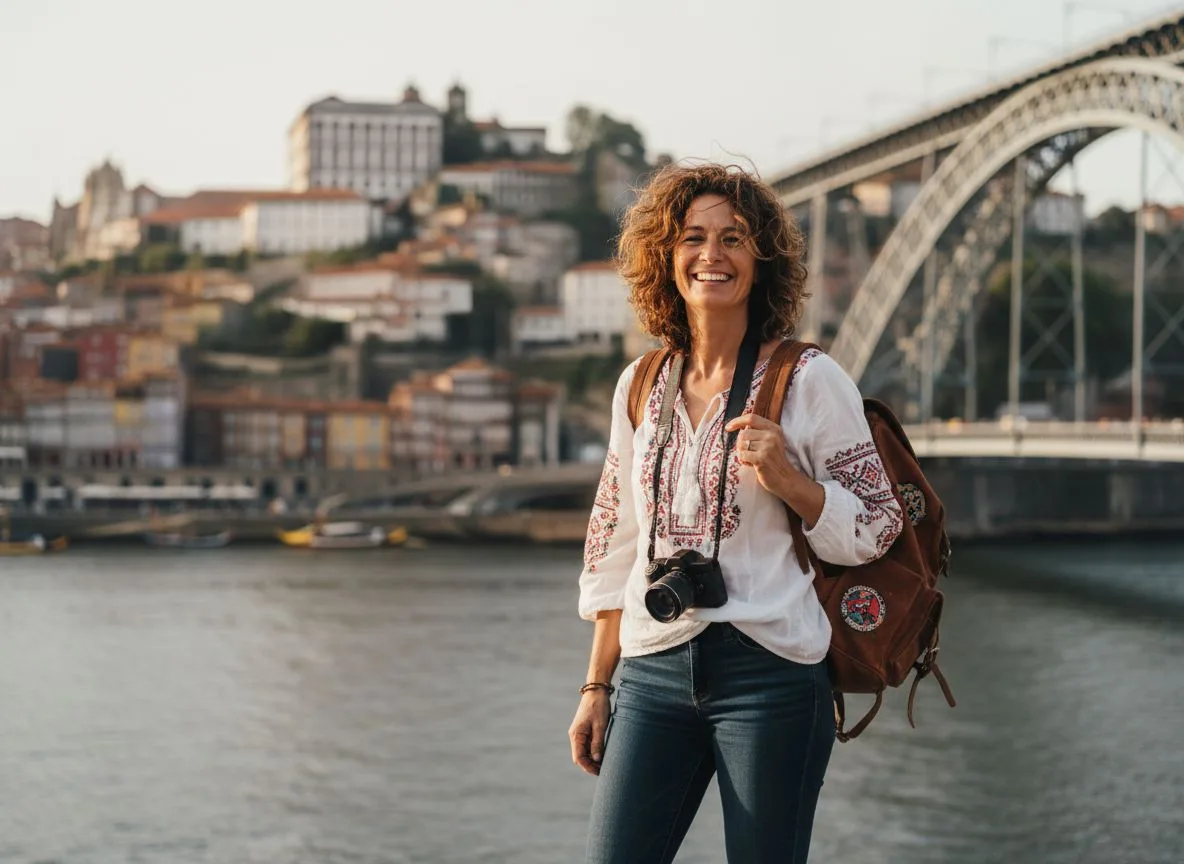
Porto is a city that surprises at every corner. With its steep hills, blue tile facades, and the ever-present smell of the Atlantic, it’s both lively and laid-back. For solo travelers, Porto is an ideal destination. The city feels safe, people are friendly, and there’s always a place to sit with a glass of port and watch the world go by.
Whether you’re drawn by history, food, or the river views, this 3-day Porto itinerary is designed to help you experience the city’s best without rushing, and with enough flexibility to follow your own pace.
Why Porto Is Perfect For Solo Travelers
Traveling alone in Porto is rewarding for several reasons. The city is compact, so you can walk almost everywhere. There’s little pressure to plan every detail. Locals are helpful and many speak English, especially in tourist areas. Porto’s relaxed vibe means you can linger in a café, join a walking tour, or get lost in the narrow streets without feeling out of place.
If you want to meet people, hostels and local tours make it easy. If you prefer solitude, there are quiet gardens, riverbanks, and museums to enjoy at your own rhythm.
How To Use This 3-day Porto Itinerary
This itinerary balances top sights, local food, and unique experiences. It works well for any solo traveler, whether you like art, architecture, or just wandering. You’ll find a mix of must-see spots and hidden corners. Each day covers one part of the city, with tips to make the most of your time.
Adjust the order or spend more time where you feel most inspired—Porto rewards curiosity.
Day 1: Ribeira, Sé, And The Heart Of Old Porto
Your first day is all about Porto’s historic center, a UNESCO World Heritage Site. The area is full of winding streets, tile-covered buildings, and river views. Wear comfortable shoes—there are many hills and cobblestone alleys.
Morning: Stroll Through Ribeira
Start your day in the Ribeira district, Porto’s most famous riverside area. Early morning is quiet, perfect for photos and soaking in the atmosphere. Walk along the Douro River promenade, watch the traditional rabelo boats bobbing on the water, and admire the colorful facades.
Stop for a pastel de nata (Portuguese custard tart) and coffee at a riverside café. This is a classic Porto breakfast—sweet, simple, and energizing.
Climb To The Sé Cathedral
From Ribeira, head uphill to the Sé do Porto (Porto Cathedral). The climb is steep but short. The cathedral is one of the city’s oldest monuments, with Romanesque, Gothic, and Baroque elements. Take time to visit the cloisters, decorated with blue-and-white azulejos (tiles), and enjoy panoramic views from the terrace.
Explore São Bento Station
A five-minute walk from the cathedral brings you to São Bento Railway Station. Even if you’re not catching a train, step inside to see the grand entrance hall, lined with over 20,000 azulejo tiles. The murals depict scenes from Portuguese history and rural life—every detail tells a story.
Wander Rua Das Flores
From São Bento, continue down Rua das Flores. This pedestrian street is known for its boutiques, galleries, and flower-decorated balconies. It’s a good place to browse local crafts or grab a light lunch. Try a sandwich of presunto (cured ham) or a bowl of caldo verde (kale soup).
Afternoon: Palácio Da Bolsa And Church Of São Francisco
Head to the Palácio da Bolsa (Stock Exchange Palace), one of Porto’s most beautiful buildings. The guided tour (highly recommended) lets you see the grand Arab Room, with its Moorish-inspired decor, and learn about Porto’s trading past.
Next, visit the Church of São Francisco, right nearby. Don’t be fooled by its simple exterior—the inside is covered in ornate gold leaf. For something unique, check out the catacombs below.
Evening: Dinner With A View
End your first day with dinner along the riverfront. Many restaurants here serve traditional dishes. Try bacalhau à Brás (shredded cod with eggs and potatoes) or francesinha (a hearty sandwich with meat, cheese, and spicy sauce). For dessert, order a slice of almond tart.
If you’re feeling social, join a small-group food tour or a bar crawl—many start in Ribeira and are friendly for solo travelers.
Key Sights Comparison
Here’s a quick look at the main stops for Day 1:
| Attraction | Type | Entry Fee | Estimated Time | Unique Feature |
|---|---|---|---|---|
| Ribeira | Historic District | Free | 1-2 hours | Colorful riverside |
| Sé Cathedral | Cathedral | €3 (cloisters) | 30-45 min | Azulejo cloisters |
| São Bento Station | Railway Station | Free | 15-20 min | Tile murals |
| Palácio da Bolsa | Historic Building | €12 (tour) | 1 hour | Arab Room |
| Church of São Francisco | Church | €8 | 30 min | Golden interior |
Non-obvious Tip
Most visitors only see the main riverfront, but if you wander a bit uphill into the side streets, you’ll find quiet squares with local cafés where prices are lower and the pace is slower. Don’t hesitate to sit and watch daily life—the less touristy side of Porto is often the most charming.
Day 2: Art, Culture, And The Other Side Of The River
On your second day, you’ll see Porto’s creative side and cross to Vila Nova de Gaia for the famous port wine cellars. This area feels different from the old center, with modern art, gardens, and sweeping river views.
Morning: Livraria Lello And Clérigos Tower
Begin at Livraria Lello, often called one of the most beautiful bookstores in the world. Its spiral staircase, stained glass, and woodwork are stunning. Arrive early to avoid crowds, and buy your ticket online in advance (the fee is deducted if you buy a book). Even if you’re not a big reader, the space is magical.
Next, climb the nearby Clérigos Tower for a 360-degree view of Porto. There are 225 steps, but the panorama is worth the effort. From the top, you’ll see the red roofs, the river, and the bridges that cross to Gaia.
Explore Cedofeita: Porto’s Art District
Walk northwest to the Cedofeita neighborhood. This area is less touristy and full of art galleries, vintage shops, and hip cafés. Visit Rua Miguel Bombarda for its contemporary art galleries and street art. If you’re in Porto on a Saturday, this street often hosts “Simultaneous Openings,” when galleries launch new exhibits together.
Stop for lunch at a local café. Try a tosta mista (ham and cheese toastie) or a vegetarian dish—Cedofeita has many options for all diets.
Afternoon: Crystal Palace Gardens
Head to the Jardins do Palácio de Cristal (Crystal Palace Gardens). These gardens are free to enter and offer some of the best views of the Douro River. Walk through the tree-lined paths, see peacocks roaming, and relax on a bench overlooking the city.
If you enjoy museums, the Soares dos Reis National Museum is nearby, with Portuguese art from the 19th and 20th centuries.
Cross To Vila Nova De Gaia
By mid-afternoon, cross the river to Vila Nova de Gaia. The easiest way is by walking across the upper deck of the Dom Luís I Bridge—the views are stunning, especially in late afternoon light.
Port Wine Cellar Tour
Gaia is famous for its port wine cellars. Many of the big names—Sandeman, Graham’s, Taylor’s—offer guided tours and tastings. Book in advance, especially in high season. You’ll learn how port is made and taste several styles, from ruby to tawny. Even if you don’t drink much, the history and cellars are fascinating.
Some cellars offer sunset views from their terraces. Order a glass and watch the city light up across the river.
Evening: Dinner And River Views
Stay in Gaia for dinner if you like seafood. Try grilled sardines or polvo à lagareiro (octopus with olive oil and potatoes). For a lighter meal, order petiscos (Portuguese tapas) and share a few dishes.
After dinner, stroll along the Gaia riverfront. The view of Porto’s illuminated skyline is unforgettable.
Port Cellars Comparison
Here’s a quick guide to some popular cellars:
| Cellar | Tour Price | Languages | Booking Needed | Highlights |
|---|---|---|---|---|
| Sandeman | €15-20 | English, Portuguese, Spanish | Recommended | Iconic logo, museum |
| Graham’s | €17-20 | English, Portuguese | Yes | River views, old cellars |
| Taylor’s | €15-20 | English, Portuguese | Recommended | Peacock garden, terrace |
Non-obvious Tip
If you’re not a fan of crowds, visit the smaller, lesser-known cellars like Kopke or Calém in the morning. You’ll get a more personal experience and may even chat with the staff about their favorite local spots.
Day 3: Local Life, Markets, And Foz Do Douro
Your last day is for exploring Porto’s modern side and the Atlantic coast. This day mixes local markets, contemporary architecture, and the sea breeze of Foz do Douro.
Morning: Mercado Do Bolhão And Shopping Streets
Start at Mercado do Bolhão, Porto’s famous traditional market. The building was renovated in 2022, blending old charm with modern comfort. Stalls offer fresh fruit, vegetables, cheese, and flowers. It’s a great spot for people-watching and practicing your Portuguese. Many vendors offer samples—don’t be shy to taste local cheese or olives.
For breakfast, try a bola de Berlim (Portuguese doughnut) and a strong espresso. If you want a sit-down meal, nearby bakeries serve hearty breakfasts.
After the market, stroll along Rua de Santa Catarina, Porto’s main shopping street. You’ll find international brands, local stores, and street performers. The Majestic Café is an Art Nouveau gem—step inside for a coffee if you want to feel transported to the 1920s.
Explore Casa Da Música
Take the metro or walk to Casa da Música, Porto’s iconic modern concert hall. Even if you don’t attend a performance, the building itself is worth seeing. Guided tours are available in English. The surrounding area, Boavista, is known for wide avenues, contemporary art, and less-touristy restaurants.
Afternoon: Tram Ride To Foz Do Douro
One of Porto’s classic experiences is taking the historic tram line 1 from the city center to Foz do Douro, where the river meets the Atlantic Ocean. The tram is vintage, with wooden seats and big windows. The ride takes about 25 minutes and hugs the riverbank the entire way.
Arrive in Foz, a charming seaside neighborhood. Walk along the Passeio Alegre, see the old lighthouse, and breathe in the salty air. In warm weather, you can dip your feet in the ocean or relax on the sand.
Lunch By The Sea
Foz has many seafood restaurants and beach bars. Order arroz de marisco (seafood rice) or grilled fish. Many places have outdoor seating, perfect for solo diners who want to enjoy the view.
Late Afternoon: Serralves Museum And Park
Take a short bus or taxi ride to the Serralves Foundation, Porto’s top contemporary art museum, set in a vast park. The museum has rotating exhibits from Portuguese and international artists, and the park is filled with sculptures, gardens, and quiet paths. Don’t miss the art deco Serralves Villa inside the grounds.
Evening: Relax And Reflect
After Serralves, head back to your accommodation or find a rooftop bar in the city center for one last look at Porto’s skyline. Many solo travelers find this is the perfect time to write postcards, sort photos, or simply enjoy a moment of quiet before your journey continues.
Market, Music, And Museum Highlights
Compare your main stops for Day 3:
| Place | Type | Entry Fee | Location | Recommended Time |
|---|---|---|---|---|
| Mercado do Bolhão | Market | Free | City Center | 1 hour |
| Casa da Música | Concert Hall | €12 (tour) | Boavista | 1 hour |
| Serralves Museum | Art Museum/Park | €20 | West Porto | 2 hours |
Non-obvious Tip
Many visitors skip Serralves, but it’s a favorite spot for locals—especially the park, which is peaceful even in summer. If you’re in Porto on a Sunday morning, entry to the museum is free until 1 pm.
Essential Tips For Solo Travelers In Porto
Traveling alone in a new city can be daunting. Here are some tips to make your Porto experience smooth and enjoyable:
- Stay Central: Choose accommodation near the city center (Baixa, Ribeira, or Cedofeita). You’ll be close to main sights and can walk safely at night.
- Use Public Transport: Porto’s metro, buses, and trams are reliable and easy to use. Buy an Andante card for multiple journeys.
- Eat at the Counter: Many cafés and pastelarias have counters or communal tables—perfect for solo diners.
- Join Walking Tours: Free or paid tours are great for learning about Porto and meeting other travelers.
- Watch Your Step: Porto’s streets are steep and cobbled. Wear good shoes and be mindful, especially when it rains.
- Be Aware of Pickpockets: Like any tourist city, keep an eye on your belongings, especially in busy areas.
- Try the Local Wine: Even if you’re not a big drinker, a small glass of port is part of the experience.
- Don’t Rush: Porto is a city to enjoy slowly. Leave time for wandering, sitting by the river, and people-watching.
Solo Traveler Insights
- People Are Friendly, But Not Pushy: Locals may greet you with a smile, but will not intrude if you want to be alone.
- Language Barrier Is Low: Most people in shops and restaurants speak some English, especially younger staff.
- Safety at Night: The central areas are generally safe. Use standard precautions and avoid empty alleys late at night.
Porto In Numbers
For a quick overview, here are some facts and figures:
- Population: About 230,000 in the city, 1.7 million in the metro area
- Average Temperature: 65°F (18°C) in spring/fall, 75°F (24°C) in summer
- Coffee Price: €0.80–€1.20 for an espresso
- Public Transport Ticket: €1.30–€2.00 per ride
- Museum Entry Fees: €7–€20, with discounts for students/seniors
What To Pack For Porto
Pack light but be prepared for changing weather. Essentials for solo travelers:
- Comfortable walking shoes
- Light jacket or sweater (evenings can be cool)
- Umbrella or raincoat (showers are common)
- Daypack for water, camera, and snacks
- Travel adapter (Portugal uses European plugs)
- Reusable water bottle (tap water is safe to drink)
- Guidebook or offline map (internet can be patchy in old town)
Getting Around Porto
Porto is easy to navigate, even for first-time visitors. The metro connects the airport to the city center in about 30 minutes. Buses and trams cover most attractions. Taxis and rideshare apps are available, but walking is often the fastest way in the old city.
If you plan to visit several museums and use public transport, consider the Porto Card, which offers discounts and free rides.
Where To Stay As A Solo Traveler
Porto offers many options for solo travelers:
- Hostels: Many hostels in Baixa and Ribeira have great ratings and social events. Try Gallery Hostel or The Passenger Hostel.
- Boutique Hotels: For more privacy, small hotels or guesthouses are comfortable and not too expensive. Moov Hotel Porto Centro is a popular choice.
- Airbnbs: There are many apartments in the city center, often cheaper than hotels.
Look for places with good reviews for solo stays, strong Wi-Fi, and helpful staff.
Meeting People In Porto
If you want to connect with others, Porto makes it easy:
- Join a walking or food tour.
- Attend a fado music night—many bars and restaurants host live performances.
- Try a cooking class or port tasting with a group.
- Use apps like Meetup or Couchsurfing for local events.
Most solo travelers find Porto friendly and welcoming, but there’s no pressure to socialize if you prefer your own company.
Sustainable Travel In Porto
Porto is working to become more sustainable. As a visitor, you can help by:
- Choosing local businesses over chains.
- Using public transport instead of taxis.
- Refilling your water bottle instead of buying plastic.
- Saying no to unnecessary straws or bags.
- Respecting local customs and noise levels, especially at night.
Frequently Asked Questions
How Many Days Do I Need In Porto As A Solo Traveler?
Three days is ideal for most solo travelers. This gives you enough time to see the city’s main attractions, taste local food, visit a port cellar, and explore both the historic center and the coast. If you have more time, consider a day trip to the Douro Valley or Braga.
Is Porto Safe For Solo Travelers At Night?
Yes, Porto is generally safe, especially in central areas like Baixa, Ribeira, and Cedofeita. Most streets are well-lit and busy until late. Use standard precautions—avoid empty alleys and watch your belongings, especially in crowded places.
What’s The Best Way To Get From Porto Airport To The City Center?
The easiest way is the metro. The purple E line connects the airport to Trindade station in about 30 minutes. Trains run every 20-30 minutes from early morning until midnight. A taxi or Uber takes about 20 minutes and costs €20–€25.
Can I Visit Port Wine Cellars Alone?
Absolutely. Port wine cellars in Vila Nova de Gaia offer both group and individual tours. Many tours are available in English and do not require a minimum group size. Solo visitors are always welcome and can join tastings or book a private tour.
Where Can I Find More Detailed Information About Porto’s Attractions?
The official Porto tourism website offers up-to-date details on sights, events, and maps: Visit Porto.
Porto is a city that welcomes curiosity. As a solo traveler, you’ll find that its mix of tradition and modern life, grand views and quiet corners, makes every day a new discovery. Take your time, follow your senses, and let Porto’s charm reveal itself.
Whether it’s the taste of fresh pastry, the sound of Fado echoing through narrow streets, or the golden sunset over the Douro, your three days in Porto will stay with you long after you leave. Safe travels and enjoy every moment!

Hi, I’m Jenny, a solo travel writer based in the UK with nearly a decade of independent travel under my belt. I took my first solo trip at 24, a slightly terrifying two weeks in Vietnam, and I’ve been hooked ever since.
Over the past 9 years I’ve completed 60+ solo trips across Europe, Southeast Asia, Central America and Japan, from weekend city breaks in Prague to three-week overland journeys through the Balkans. I speak conversational French and basic Spanish, which has opened more doors (and more dinner tables) than any guidebook ever could.
My writing focuses on the practical stuff solo female travellers actually need: safety, navigation, budget-stretching, and finding genuine connection on the road. I don’t do fluff. If I haven’t personally figured out whether a city is safe to walk home alone at midnight, I won’t pretend I have.
When I’m not writing I’m usually planning the next one, or eating something I can’t pronounce.