
Last Updated on
Quick answer: Barcelona is one of Europe’s easiest cities for a solo trip: great food, a walkable core, good transit, a beach, and a large visitor scene. The main risk is pickpocketing, not violent crime. Stay in Eixample, Gràcia or El Born, book major sights in advance, eat late like locals, and keep your phone and wallet out of sight in crowded places.
Is Barcelona good for solo travel?
Yes. Tapas bars, markets and cafes make eating alone easy, hostels are plentiful, and the city is compact enough to explore by metro and on foot. It is also very busy, so sights like the Sagrada Família and Park Güell sell out in peak periods. Barcelona suits solo travelers because it offers so many different moods in one place. You can spend a morning among Gaudí’s buildings, an afternoon on the beach and an evening wandering medieval lanes, all without a car. The city is also very international, so you will meet other travelers almost everywhere, and the late-night culture means you are rarely the only person out. The trade-off is crowds and petty theft, which are manageable with a few simple habits.
Best neighborhoods
| Area | Vibe | Good for | Note |
|---|---|---|---|
| Eixample | Wide streets, modernist buildings | Safe, central base | Quieter evenings than the old town |
| Gràcia | Village-like squares, cafes | Relaxed stay, local feel | Slightly farther from the sea |
| El Born | Trendy, medieval lanes, bars | Food, art, nightlife | Busy; watch pickpockets |
| Gothic Quarter | Historic, atmospheric | Sights on foot, hostels | Highest pickpocket risk; noisy |
| Barceloneta | Beach, seafood | Summer stays | Crowded; quieter at night |
| Poblenou | Creative, calmer beaches | Longer stays, remote workers | Farther from the old town |
For a first solo visit, Eixample is the safest all-round choice, with good transport and an easy walk to many sights. Gràcia is a great pick if you prefer a quieter, local atmosphere, and El Born is ideal if you want to be close to bars and restaurants. If you stay in the Gothic Quarter, choose a hostel or hotel with a good reception, and read recent reviews about noise, since the streets stay lively late into the night.
Getting around
- Metro and buses: Cover the city well. Multi-trip cards are cheaper than single tickets; check current fares and card options.
- Night transport: The metro runs late on weekends, and night buses fill the gaps.
- Airport: A train, a metro line and an airport bus link the airport to the center.
- Bikes and scooters: Plenty of lanes, but traffic and tourists make it busy.
Most visitors walk a lot, because the old town, El Born and the waterfront are all close together. Use the metro for longer hops, such as Gràcia, Montjuïc or the Sagrada Família. Keep your phone and bag secure on the metro and at busy stations, and plan your route home before a late night out, since the metro is less frequent after midnight on weekdays.
Eating alone
Sit at the bar in a tapas place and order a few small plates. Markets such as La Boqueria (touristy) and Sant Antoni or Santa Caterina (more local) are good for a quick lunch. Locals eat lunch around 2 pm and dinner after 9 pm, so many kitchens in the evening do not open until 8. A lunchtime set menu (menú del día) is often the cheapest hot meal. Some places charge a cover for table seating, so check. A few habits make it easier:
- Order a few shared plates rather than a large main. Classics include patatas bravas, croquetas, pan con tomate and jamón.
- Standing or sitting at the bar is normal, cheaper in many places and a good way to chat with staff.
- On weekends, many locals have a vermouth before lunch. It is a pleasant, low-key way to spend an hour alone.
- Tipping is not required. Rounding up or leaving small change is enough.
- If you are hungry early, bakeries, market stalls and tapas counters serve food outside normal dinner hours.
What to do
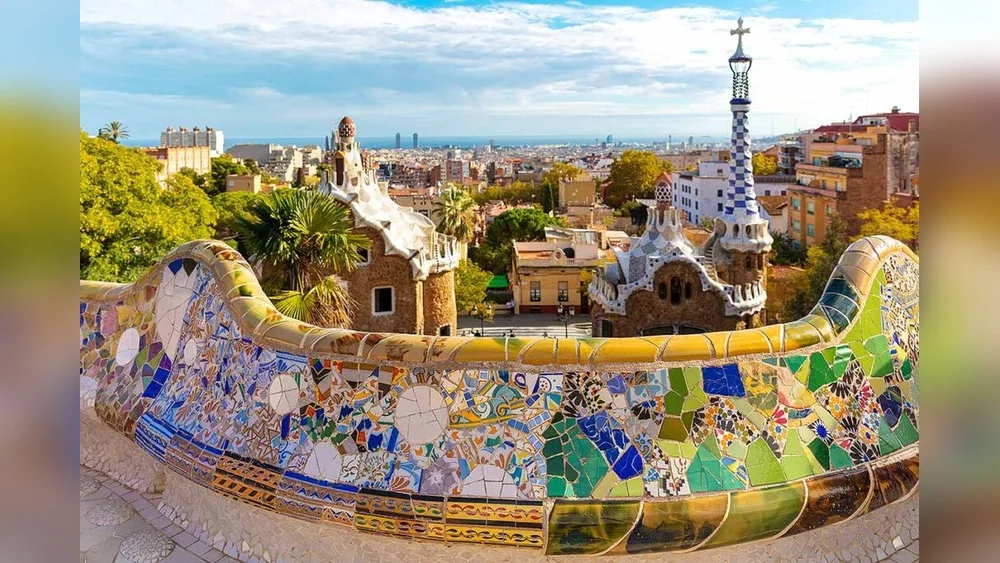
- Gaudí sights: Sagrada Família, Casa Batlló, La Pedrera and Park Güell. Book timed tickets online, and check what is current.
- Gothic Quarter and El Born: Wander early before the crowds, then visit the Picasso Museum.
- Montjuïc: Gardens, museums and views, reached by cable car or on foot.
- Beaches: Barceloneta is lively, and Bogatell and Nova Icària are calmer.
- Day trips: Montserrat, Sitges and Girona by train.
More ideas that suit one person
- Walk through Parc de la Ciutadella and the Born quarter in the morning, when the lanes are quiet.
- Visit the Palau de la Música Catalana or the Hospital de Sant Pau, both modernist buildings that are often less crowded than the biggest Gaudí sights.
- Watch the sunset from Bunkers del Carmel for a wide city view. It is popular, so arrive early and keep your belongings close.
- Spend an afternoon in the Gràcia squares, where cafes and terraces make it easy to sit with a book.
- Take a cooking class or a market tour if you want a structured activity with other people.
A simple 4-day solo itinerary
Day 1: Gothic Quarter and El Born. Start early in the Gothic Quarter before the crowds, then visit the cathedral area and the Picasso Museum. Have lunch at the Santa Caterina market, stroll through Parc de la Ciutadella, and finish with tapas in El Born. Day 2: Eixample and Gràcia. Visit the Sagrada Família with a timed ticket in the morning, then walk along Passeig de Gràcia to see Casa Batlló and La Pedrera. Spend the evening in the Gràcia squares. Day 3: Montjuïc and the beach. Take the cable car or walk up Montjuïc, visit a museum or the gardens, and head to the beach in the afternoon. Watch the sunset from Bunkers del Carmel or the waterfront. Day 4: Park Güell or a day trip. Book Park Güell for the morning, or take a train to Montserrat, Sitges or Girona. With a fifth day, add a second day trip or a slow day in Poblenou.
Nightlife
Bars fill after 10 pm, and clubs after midnight. Small cocktail bars in El Born and Gràcia suit solo visitors; big clubs like Razzmatazz attract a mix. Pub crawls and hostel-run events are the simplest way to find company. Watch your drink, use licensed taxis or night buses late, and avoid walking through empty streets alone. If you do not want a big night out, there are plenty of gentler options: a rooftop terrace, a wine bar, live music in a small venue or an evening walk along the seafront. Start later than you would at home, since most places are quiet before 10 pm. Keep your phone and wallet in a front pocket or a zipped bag, and avoid leaving drinks unattended.
Safety
Barcelona has a high rate of pickpocketing and bag-snatching, especially on La Rambla, in the Gothic Quarter, at the beach, in the metro and at the Sagrada Família. Carry a cross-body bag worn in front, avoid phones on tables, and be wary of distractions such as people asking for signatures or help. The emergency number is 112. Read our solo travel safety guide for more. A few more habits help:
- Do not leave your phone or bag on a cafe table or the back of a chair, and keep your bag between your feet when you sit.
- Watch out for someone who spills something on you or offers help. These are common distraction tactics.
- On the beach, do not leave valuables unattended while you swim. Bring only what you need.
- Phone snatching from passing bikes and scooters can happen near the road edge, so avoid using your phone at the curb.
- Keep copies of your passport and insurance details separate from the originals.
For a fuller discussion of the risks, see our guide on whether Barcelona is safe for solo travellers, and our list of European cities that work well for solo female travellers. A policy from our solo travel insurance comparison can cover theft and medical costs.
Meeting people
Walking and tapas tours, language exchanges, hostel events, beach volleyball and Meetup groups all work. See how to meet people when you travel solo. Barcelona has a large international crowd, so meeting people is easy if you join something with a start time. A walking tour on your first morning, a tapas tour in the evening or a day trip to Montserrat or Sitges all bring you together with other travelers. If you are staying a few days, a language exchange night is a good way to talk with locals as well as visitors.
Costs and best time
Barcelona is moderately expensive. Hostels, tapas and public transport are good value, while central hotels are pricey, especially in summer. Spring (April to June) and autumn (September to October) offer the best mix of weather and crowds. August is hot and busy. Check current prices before booking. To save money, eat your main meal at lunch with a menú del día, use markets for snacks, walk where you can and buy a multi-trip transport card. Many beaches, parks and neighborhoods cost nothing, and several museums have free or reduced-price times, so check before you go. Book the big sights in advance, because last-minute prices and sell-outs can both hurt your budget.
What to pack
Comfortable walking shoes, a zipped cross-body bag, sunscreen, a hat and a refillable water bottle are the basics. Add swimwear for the beach, a light layer for the evening and a portable battery for long days out.
Barcelona solo FAQ
Is Barcelona safe for solo women?
Generally yes, with the same precautions as any large city: watch your drink, avoid empty streets late at night, and plan how you will get home.
How many days do you need?
Three to four days for the main sights, five if you add a day trip.
Do I need Spanish?
English works in tourist areas. A few phrases in Spanish or Catalan are appreciated.
Is it awkward to eat alone in Barcelona?
Not at all. Tapas bars, markets and cafes are built for casual, short meals, and sitting at the bar is common.
Is Barcelona good for a beach trip alone?
Yes. The city beaches are easy to reach by metro, and the quieter stretches such as Bogatell and Nova Icària are comfortable for a solo swim or a book. Keep your valuables with you.
Keep planning
- How to plan a solo trip
- The ultimate guide to solo travel
- Is Barcelona safe for solo travellers?
- 5 best cities for solo travel

Hi, I’m Lily, a solo traveller, slow travel advocate and writer based in Wales. I’ve been exploring Europe independently for 9 years, mostly by train, mostly without a rigid itinerary, and almost always alone.
I’ve taken 55+ solo trips through France, Italy, Spain, Portugal, Germany, the Netherlands, the Balkans, the Baltics and Scandinavia. I speak French and Italian, both learned on the road rather than in a classroom, which means I’m better at ordering wine and arguing with train conductors than I am at formal grammar.
My particular passion is the parts of Europe that don’t make the Instagram highlight reels: the underrated cities, the regional trains that no one takes, the local markets, the restaurants where you’re the only foreigner and the menu isn’t in English. I’ve eaten alone in some of the world’s best restaurants and some of its scruffiest tavernas, and I firmly believe solo dining is one of the great underrated pleasures of travel.
I write practical guides for solo travellers who want to actually experience a place, not just tick it off a list.